

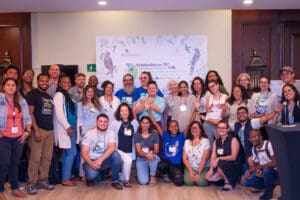
The 24th BirdsCaribbean International Conference, held in Santo Domingo from July 18-22 in collaboration with Grupo Jaragua, brought together over 335 wildlife professionals, ornithologists, educators, and ecotourism leaders from more than 30 countries, according to a news release.
As the largest bird conservation gathering in the Caribbean, the conference was a vital platform for regional collaboration, emphasizing the urgent need to protect the region’s extraordinary avian biodiversity amidst escalating conservation challenges, the release said.
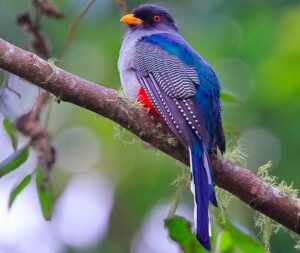
“The Dominican Republic, home to 33 endemic bird species, provided an ideal setting and inspired our theme, From Mangroves to Mountains—Safeguarding our Avian Treasures,” stated Lisa Sorenson, executive director of BirdsCaribbean. “The Caribbean is a biodiversity hotspot with over 700 species of birds, including 180 species found nowhere else in the world. Pressures like climate change and habitat loss have put these species at unprecedented risk.”
A key focus of the conference was collaboration and empowering local communities in conservation efforts, a mission shared by BirdsCaribbean and partners across the region. “In the Caribbean, conservation is often driven by dedicated citizens who create change through community mobilization,” Sorenson highlighted. “From birdwatching clubs that help curb illegal wild bird trade in Cuba to monitoring endangered forest birds in St. Vincent and the Grenadines, the conference showcased impactful grassroots work.”
The conference also highlighted the untapped economic potential of bird tourism for the region. Birdwatching is a rapidly growing over $600 billion global industry, yet avitourism remains underdeveloped in the Caribbean. Protecting habitats is crucial not only for conservation but also to unlock this significant economic opportunity. During the Caribbean Birding Trail symposium, delegates explored strategies to grow avitourism in a way that supports both economic development and environmental preservation, the release stated.
Seven world-renowned keynote speakers, including Nobel Peace Prize recipient, Terry Root, and award-winning British broadcaster and writer, David Lindo, enriched the conference with diverse perspectives, covering topics like ecological restoration, the impacts of climate change, and the value of urban birdwatching. Altogether, the dynamic program addressed the most pressing issues in Caribbean bird conservation—providing a forum for delegates to share the latest science, education, and on-the-ground conservation initiatives, and to gain invaluable insights and practical skills to support conservation efforts at home, according to the release.
At the opening ceremony, Vice Minister of Protected Areas of the Ministry of Environment and Natural Resources, Federico Franco, praised the conference’s timeliness, emphasizing that biodiversity protection is one of the most important challenges of our era. “We are in a critical moment for Caribbean biodiversity… but we are also in a unique position to make change,” he asserted. “When we share science and knowledge—we create opportunities to learn, connect, and develop solutions.”
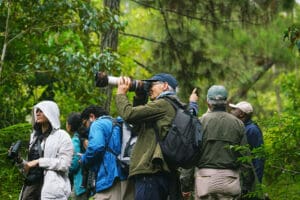
In addition to knowledge sharing, the conference fostered crucial collaboration among Caribbean conservationists. A mentor-mentee lunch connected emerging professionals with seasoned experts, and field trips to key birdwatching destinations, like Sierra de Bahoruco and Ébano Verde, allowed delegates to discuss shared conservation goals amidst the rich biodiversity of the Dominican Republic. These interactions laid the groundwork for increased collaboration, renewed dedication, and strengthened conservation capacity across the region, stated the release.
“The conference provided a vibrant platform for learning, networking, and collaboration. We were honored to be part of discussions on the latest research and conservation efforts, which have invigorated our own initiatives back home,” enthused Trinidadian delegate Giselle Ragoonanan, co-founder of the Trinidad and Tobago Bird Observatory and Research Centre.
As the conference concluded, the vital role of the Caribbean as a global biodiversity hotspot was underscored more than ever. Collaboration is imperative to protect the region’s avian treasures, and we urge stakeholders at all levels to unite in safeguarding our vast natural heritage for generations to come.