

“Out of the huts of history’s shame
I rise
Up from a past that’s rooted in pain
I rise
I’m a black ocean, leaping and wide,
Welling and swelling I bear in the tide.
Leaving behind nights of terror and fear
I rise
Into a daybreak that’s wondrously clear
I rise”
Whether or not the exhibit that opened April 23 at Fort Frederik Museum was inspired by the iconic Maya Angelou poem “Still I Rise,” “Still We Rise: Art Behind the Walls” clearly expressed themes that Angelou celebrates in her poem: the indomitable resiliency of the human spirit and its capacity to triumph over adversity.
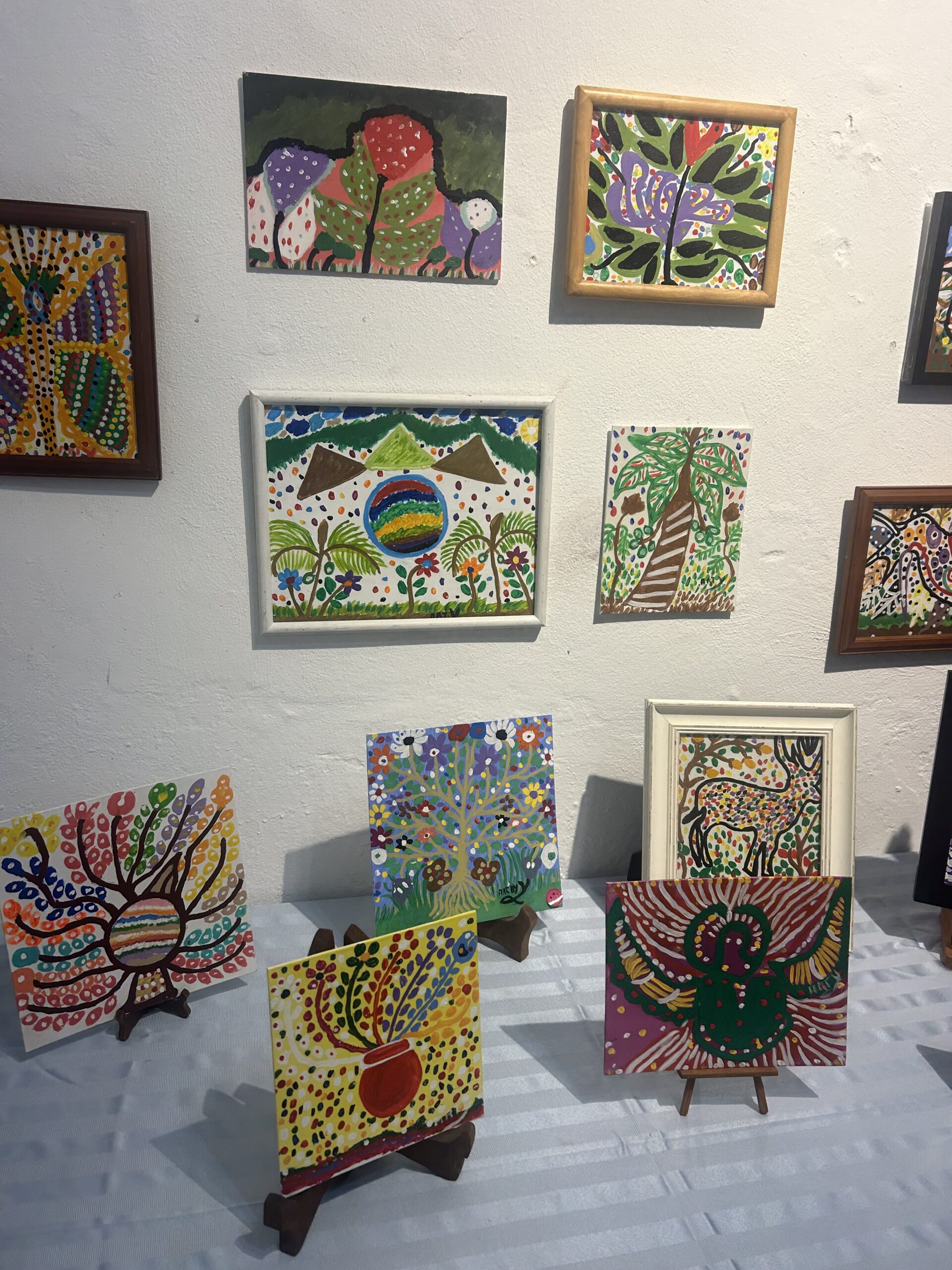
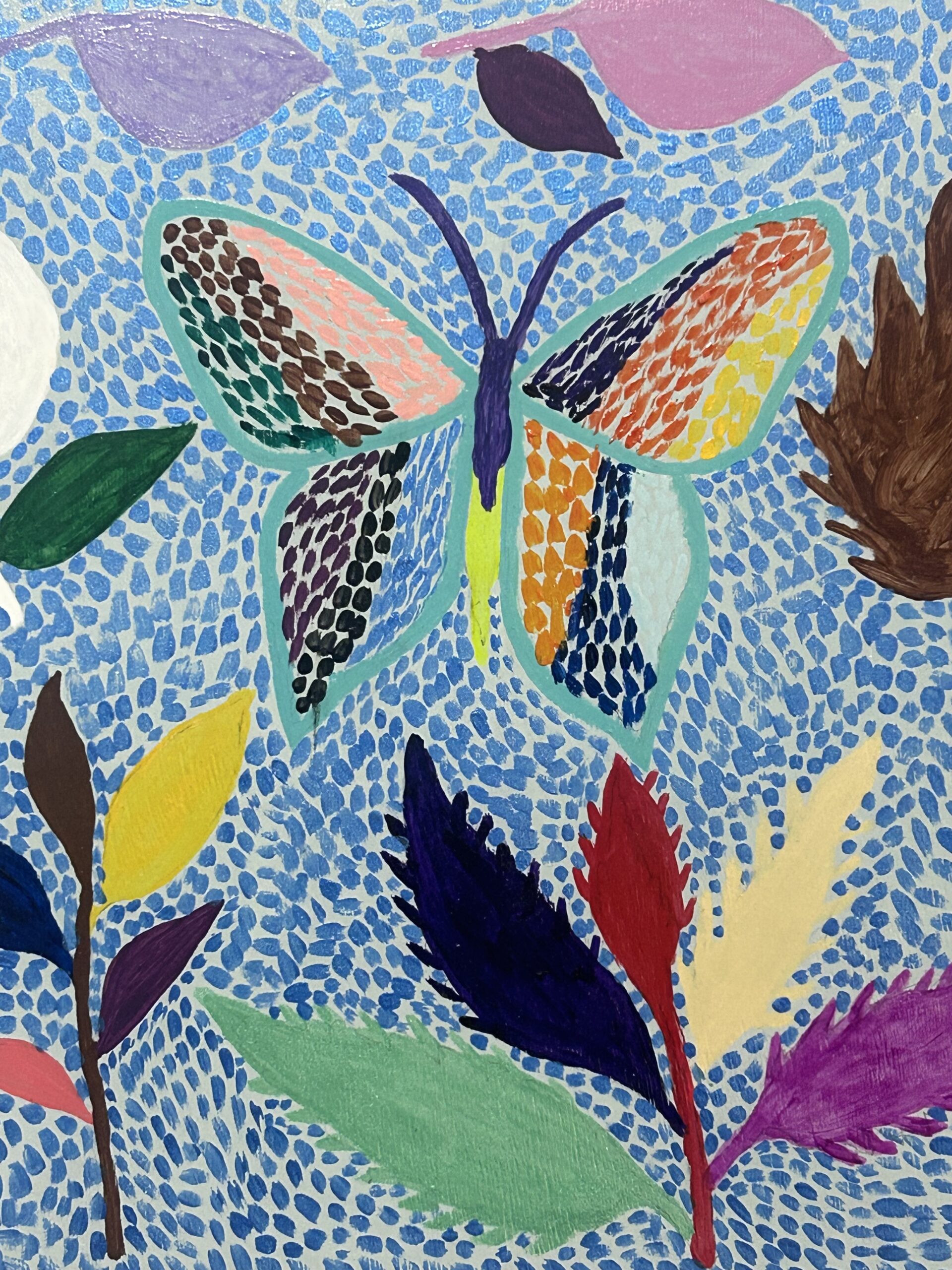
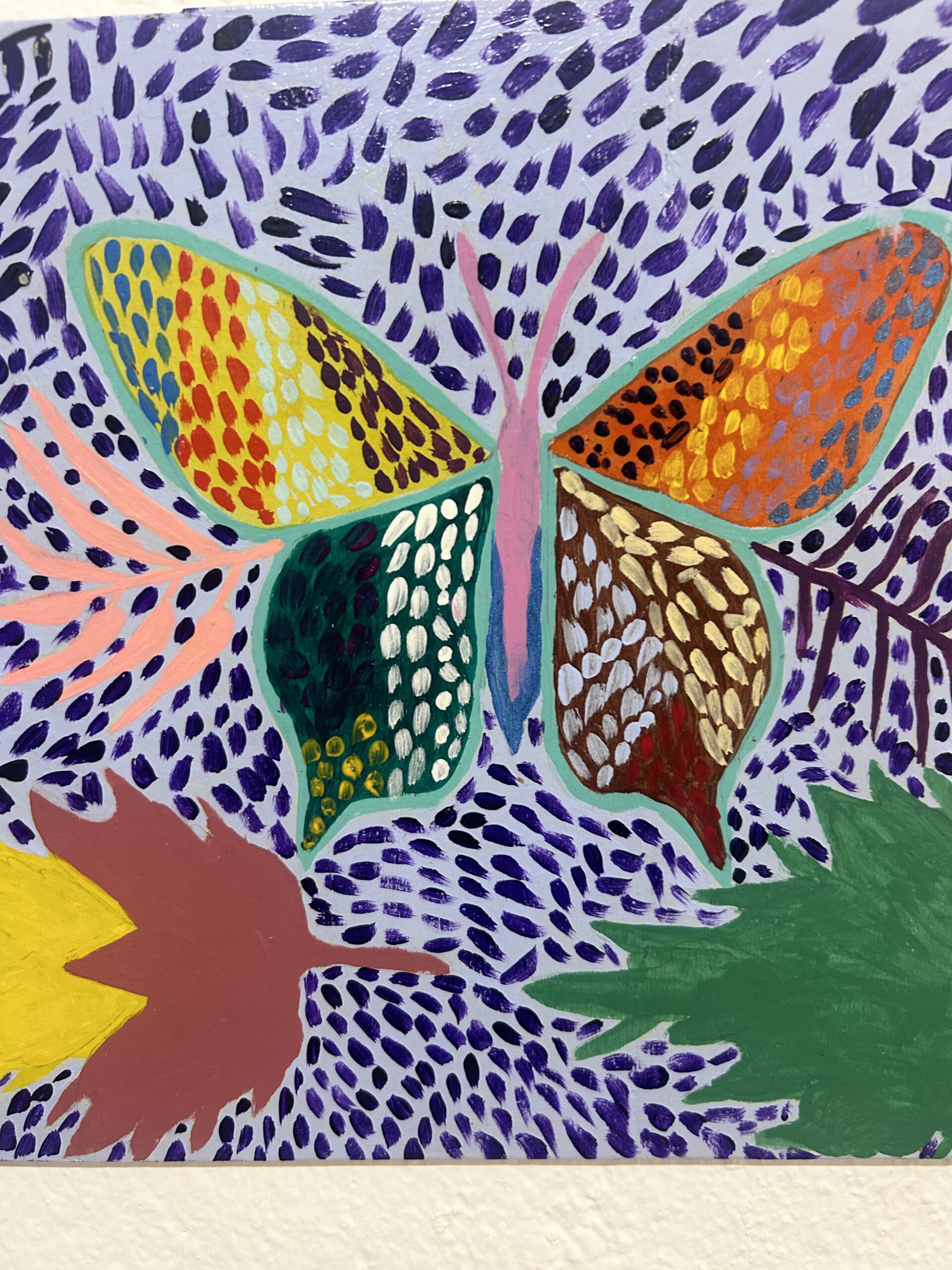
Taken as a whole, the exhibit’s vivid display of bright colors and playful designs conveyed a sense of quirky, multilayered creativity at work, celebrating the grace and inherent beauty of our living world. Bright flowers blossom from the branches of deeply rooted trees, calabash gourds glow with vivid pointillistic strokes, and technicolored butterflies abound. The exhibit showcased the artwork of a group of incarcerated men and women who are participating in a volunteer-led creative literacy and art program.
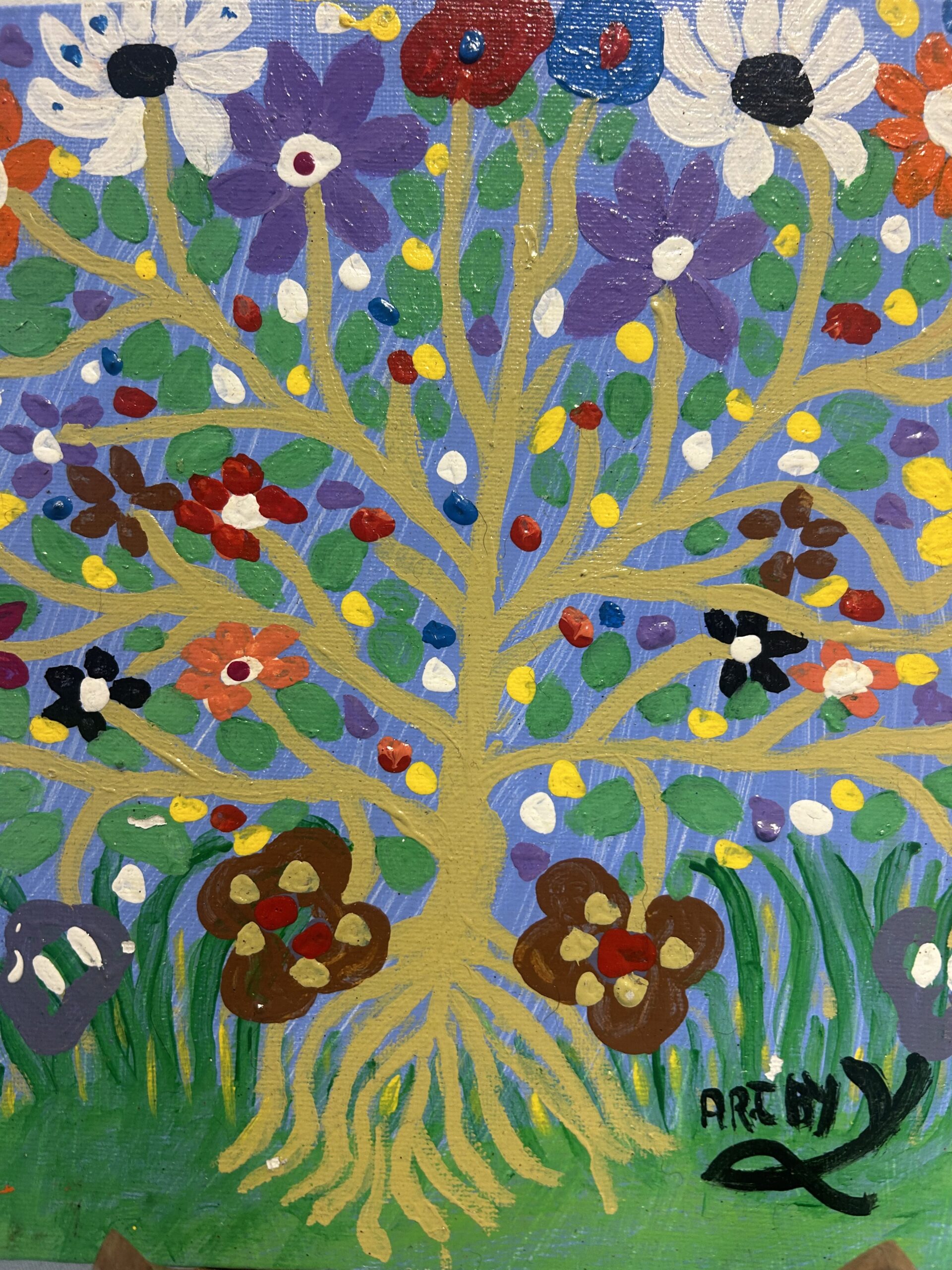
Much has been written about the link between illiteracy and incarceration in the United States, and what started as a volunteer literacy program at the John A. Bell Correctional Facility has blossomed into an arts program that has shown remarkable rehabilitative promise. The program’s directors, Mary Mingus and Sally Rodriguez, initially volunteered at the prison to help inmates improve their reading and math skills. Speaking at the opening reception, Rodriguez explained that in the course of implementing the literacy program, “one Friday we decided to have a ‘fun day’ and we gave them paints and canvas and from there it just evolved into this,” she said, gesturing toward the room that houses the exhibit and brims with the inmates’ brightly colored creations.
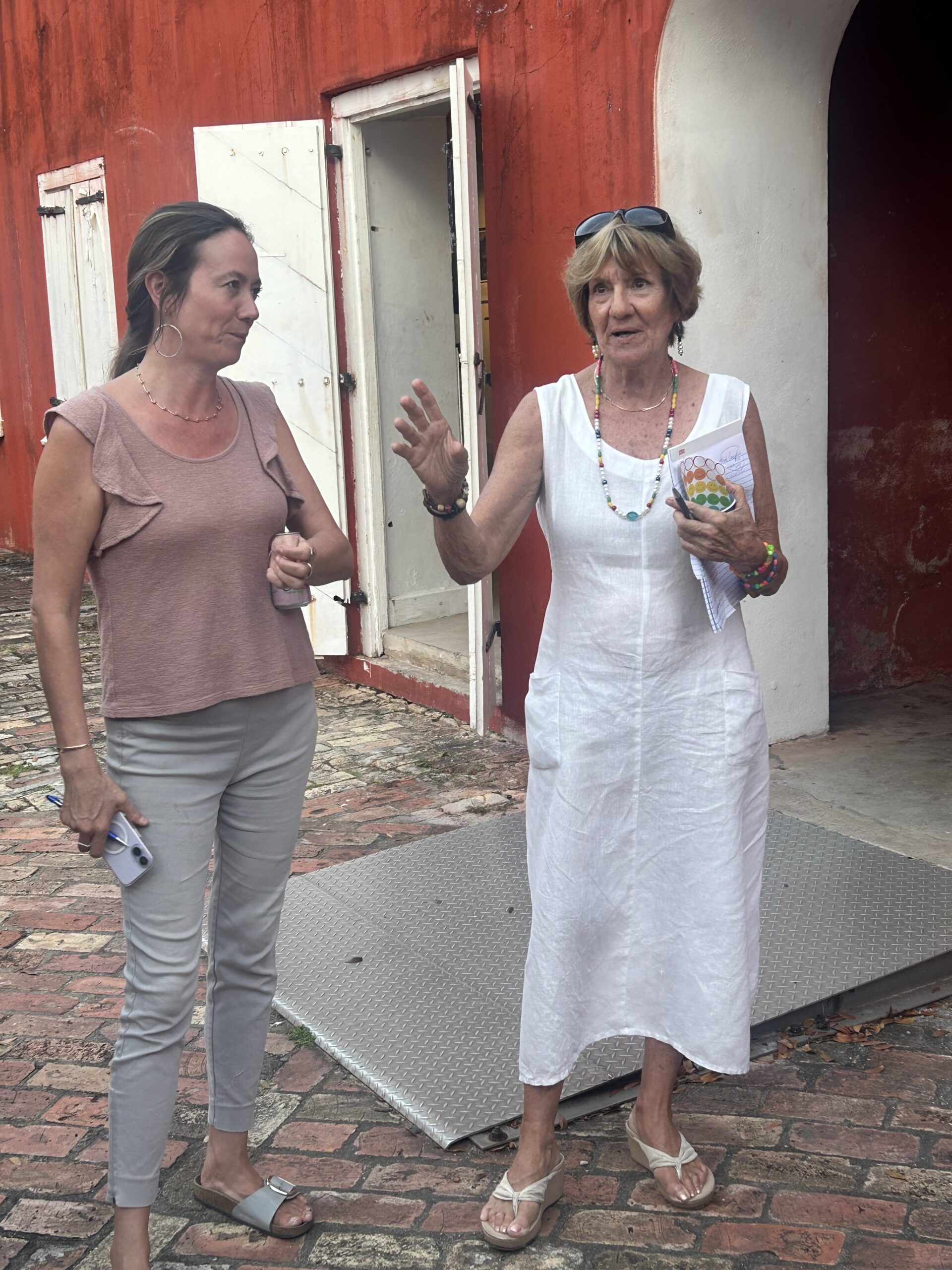
In her introductory remarks, Mingus described the familial sense that has evolved among the group over the course of the program and explained how surprised and proud the participating inmates were upon discovering latent talents they had no idea they possessed. Many had never even picked up a paintbrush before. The program, it seems, taught them not to narrowly define themselves based on their incarceration. “They’re learning that they are more than the worst thing they ever did, and that there is so much more to them. They are growing and rehabilitating,” Mingus said.
As much as the prisoners seem to benefit from the program, the directors seem to get back as much as they give. “Sally and I find this work incredibly rewarding, and we look forward to going every time we meet.” Every Wednesday and Friday when they do meet, explained Rodriguez, “the participants proudly come and show us what they’ve been working on and the progress they’ve made.”
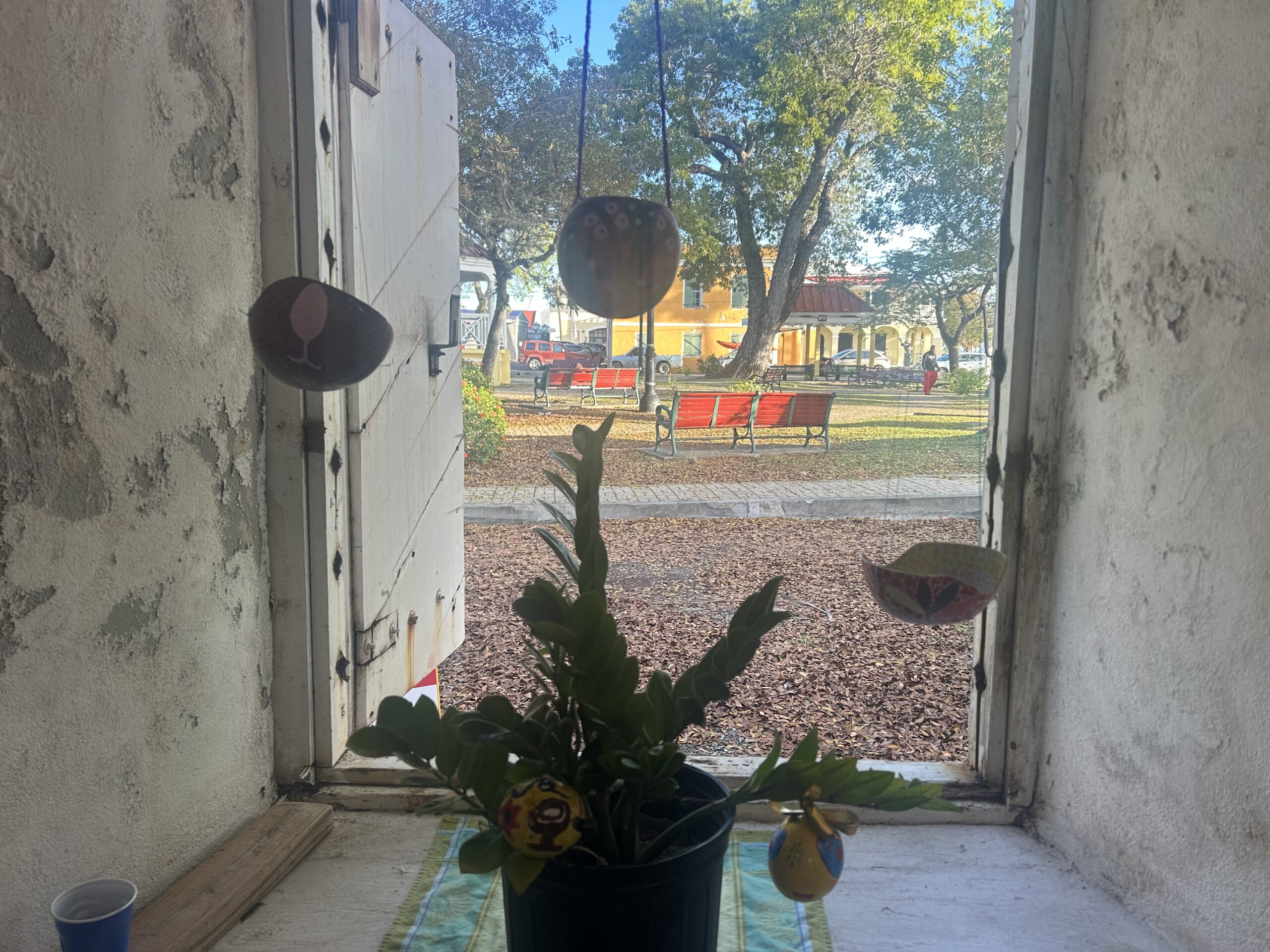
In addition to the animated paintings that line the walls, several displays drew one’s attention to another unique feature of the exhibit: the use of locally sourced calabash gourds as an artistic medium. The gourds, a Department of Planning and Natural Resources press release explained, “have been transformed into compelling works of art that reflect the cultural heritage of St. Croix while giving voice to each artist’s individual story.” As a symbol of African heritage, the calabash has enjoyed a longstanding and multivalent role inspiring the Crucian imagination and functioning as a medium for expressing the relationship between the Crucian people and their landscape. Among the many ways the calabash has found its way into Crucian art and folklore, the gourd’s shape and design made it ideal for instrument making during the colonial period of the Danish West Indies. In the hands of and filtered through the unique sensibilities of the inmates participating in this program, the calabash gourds have been fashioned into brightly painted ornaments, bowls, and bird feeders.
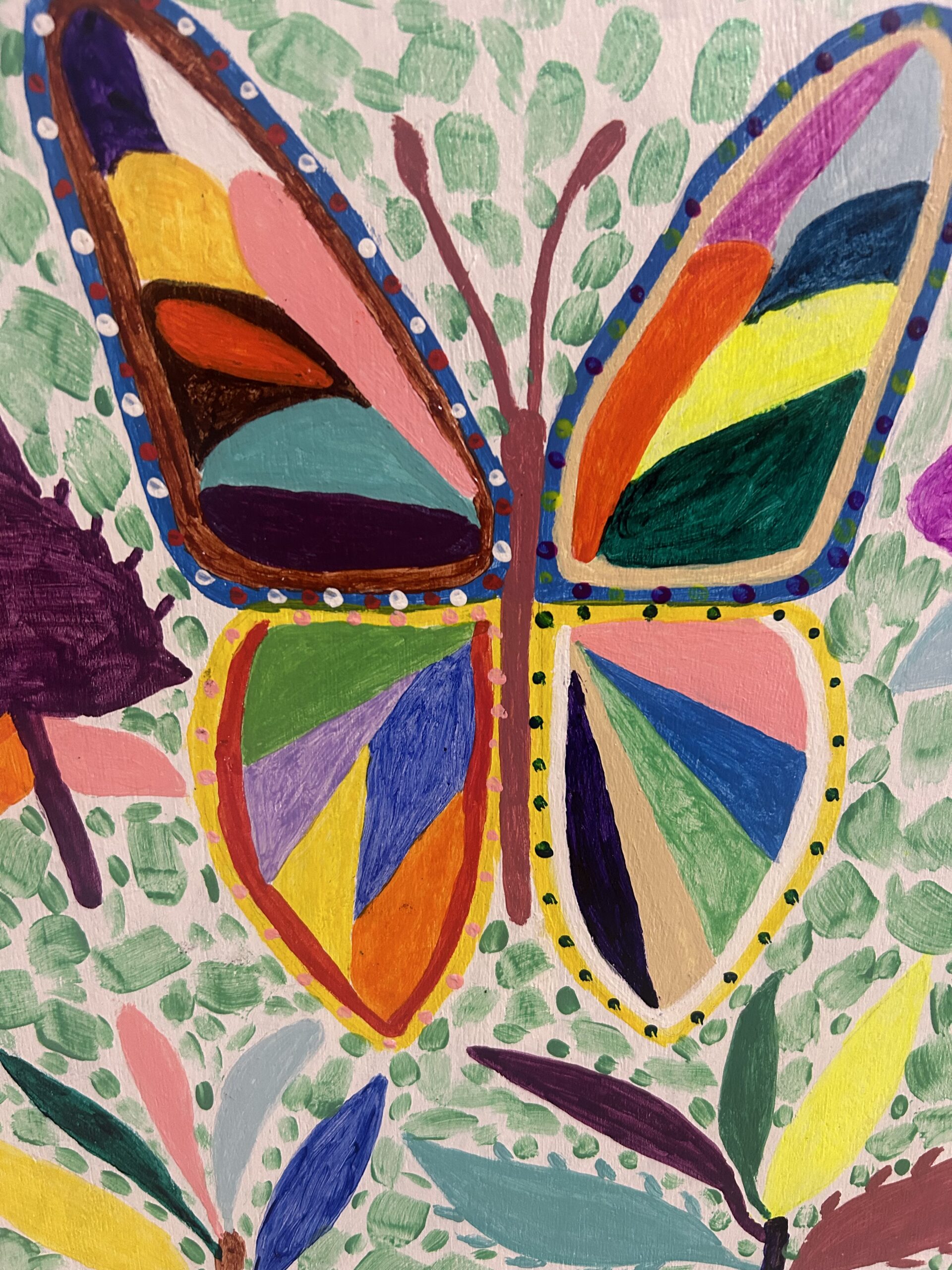
The dazzling, imaginative flight paths of the diversely colored butterflies featured in the exhibit suggest the ways in which, through the mysterious medium of art, this program has enabled its participants to transcend the circumstances of their incarceration. As a newly winged butterfly rises from its chrysalis and triumphantly takes to the air, so has the spirit of the artist in each of these men and women discovered wings and taken flight, rising from behind the prison walls and into the same air that we all share.
Anyone interested in viewing the exhibit can do so Monday through Friday, between 9 a.m. and 4 p.m. at the museum. Admission is $10 for adults, while students under 18 are free. For more information, please contact monica.marin@dpnr.vi.gov.