

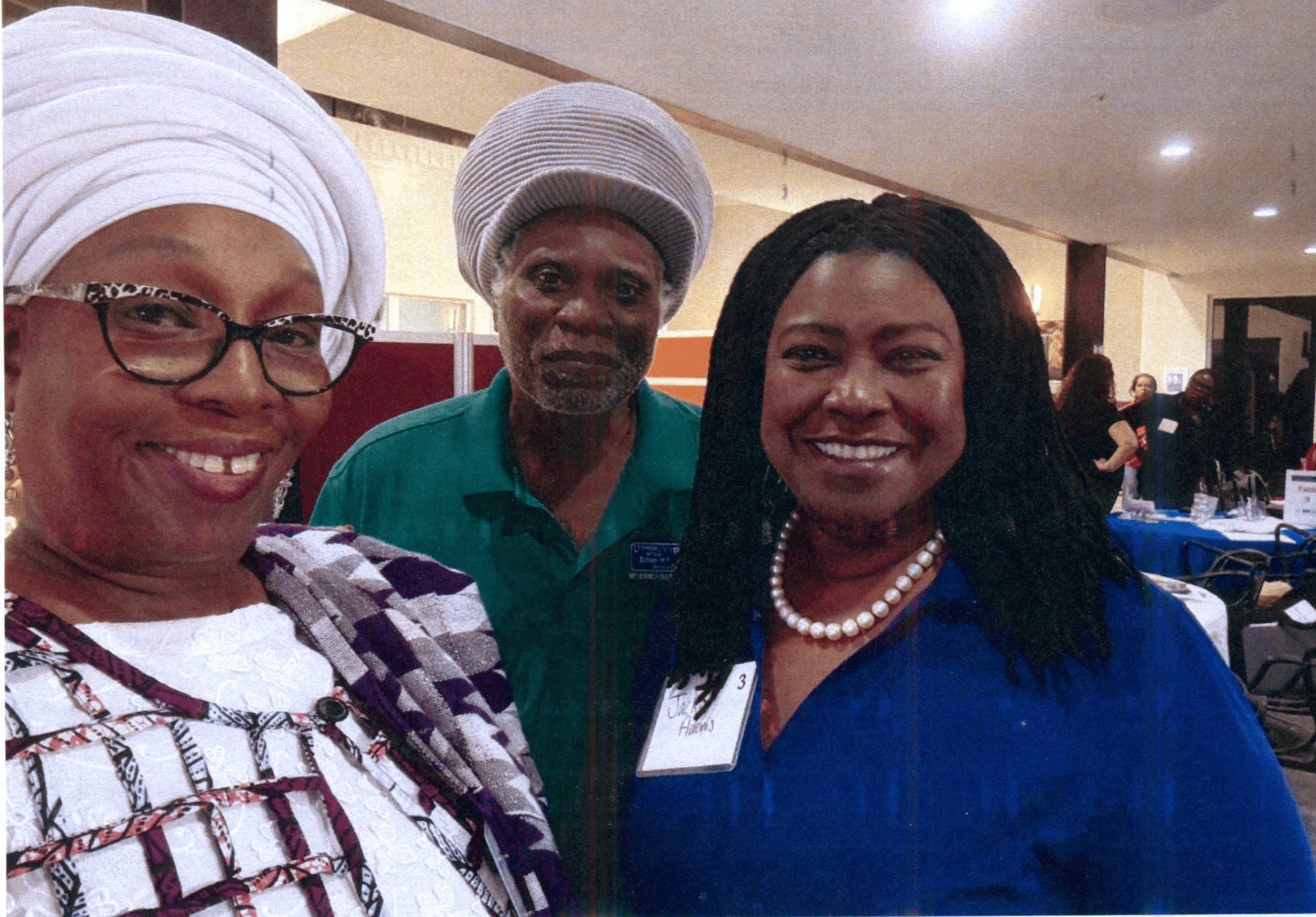
Last month, I attended the Voices of the Humanities Council of the Virgin Islands conference on St. Thomas as one of the panelists to discuss, history, culture, agriculture, genealogy, and other topics that relate to Virgin Islands history. It was very educational and inspiring. I must say how rich these islands’ history is. Nevertheless, I met Dr. Jacqueline C. Adonis at the conference, one of my colleagues from the St. Thomas campus of the university. You know we Caribbean people, we got to talking about our Caribbean history and the name Estate Anguilla on St. Croix came up.
Come to thinking about Estate Anguilla, the residents of the Virgin Islands know it as a landfill. As I was talking to Dr. Adonis, I found out that we are relatives through the Davis, or Davies, who also have historical roots in Anguilla. Nonetheless, she preferred to view Estate Anguilla not as a landfill, but as a once-thriving fishing and agricultural community during the Danish West Indies era and early American rule of these islands.
In the colonial history of Anguilla, Anguillians migrated to other Caribbean islands, particularly the Danish West Indies and the islands of St. Croix and Tortola. The French who once governed St. Croix from the 1650s departed the island in 1669 and went to Haiti. As a result, St. Croix was left to poor whites, runaway slaves or Maroons, and pirates. Meantime, there were other colonists in the Leeward Islands, particularly Englishmen, who were interested in settling the island of St. Croix.
Abraham Howell, governor of Anguilla, was one of many colonists interested in settling on St. Croix: “… a group of poor Anguillians under the leadership of Abraham Howell, the nominal governor of that island, wrote to English Governor Hamilton in 1716 for patents to settle on Sainte Croix. …” noted, the late Dr. Arnold R. Highfield in his book, “Sainte Croix 1650-1733: A Plantation Society in the French Antilles.”
Howell wrote, “The island of Anguilla is soe very poor and barren,” and “that it will not produce subsistence for the inhabitants, so that in a very short time they must leave the same or inevitably perish for want of land to cultivate and manure.” However, Hamilton couldn’t grant Howell St. Croix because the island still belonged to France, although they left the latter part of the 1660s to colonize the island of St. Domingue (Haiti). Nevertheless, Hamilton’s curiosity got the best of him, and he visited St. Croix in 1718 to see for himself if the island would be suitable for English settlers.
He reported to the Council on Trade and Plantations about his findings when he visited St. Croix. He said, the island was very fertile. It had fine large bays and fine roads that led to the north side of the island that was called Basin (Christiansted). He went on to say, St. Croix once had English settlers but they were driven off by the French in 1666. He also spoke about the houses now in ruins left by the French, plenty of timber (forests), fruit trees planted by the French, and wild cattle roaming the island.
There is a lot more to this historical document of Anguillans’ connection to the Virgin Islands. As Caribbean people, we are one people from different islands in the West Indies. Therefore, Anguillians have been in the Virgin Islands (both USVI and BVI) since the mid-1600s. And further back we can say millennium if we will mention the Amerindians who colonized the West Indies for thousands of years.
Estate Anguilla got its name because of Anguillians settling on the south side of St. Croix in the 1700s. When Denmark acquired St. Croix in 1733 from the French, there were people already living on the island illegally from the British Virgin Islands and elsewhere. I mentioned earlier the living conditions of Anguillians were not suitable due to long periods of drought the island experienced from time to time. It was for this reason such names as Gumb, Richardson, Vanterpool, Hodge, Fleming, and Bryan, for example, are common in the British and U.S. Virgin Islands today. These are Anguillan names.
Nevertheless, to get an understanding of what Estate Anguilla’s environment was like during the Danish era on St. Croix, the late native naturalist George A. Seaman described his childhood when he visited friends at the south shore estate as a boy in the 1920s. Seaman started off by saying there is probably no small island in the Caribbean with a glorious history of making sugar and rum like St. Croix.
The sugar industry on St. Croix started off as animal-powered, such as with horses, mules and oxen being used. Then mills driven by wind power became famous for the sugar industry on St. Croix. Today, the mills dot the landscape of St. Croix when sugar was king. Later, somewhere in the 1840s, steam engines became the driving force of the sugar industry on the island.
“A highlight of my early years was to spend weekends at Estate Anguilla. The Lunney family lived here in a great mansion of an old West Indian plantation house. This was one of the last operating estates on the island and the sounds and smells and scenes of this beehive of plantation activity poignantly remain with me to this day,” noted Seaman. Estate Anguilla was an extremely fertile plantation bordering the largest lagoon in the Virgin Islands.
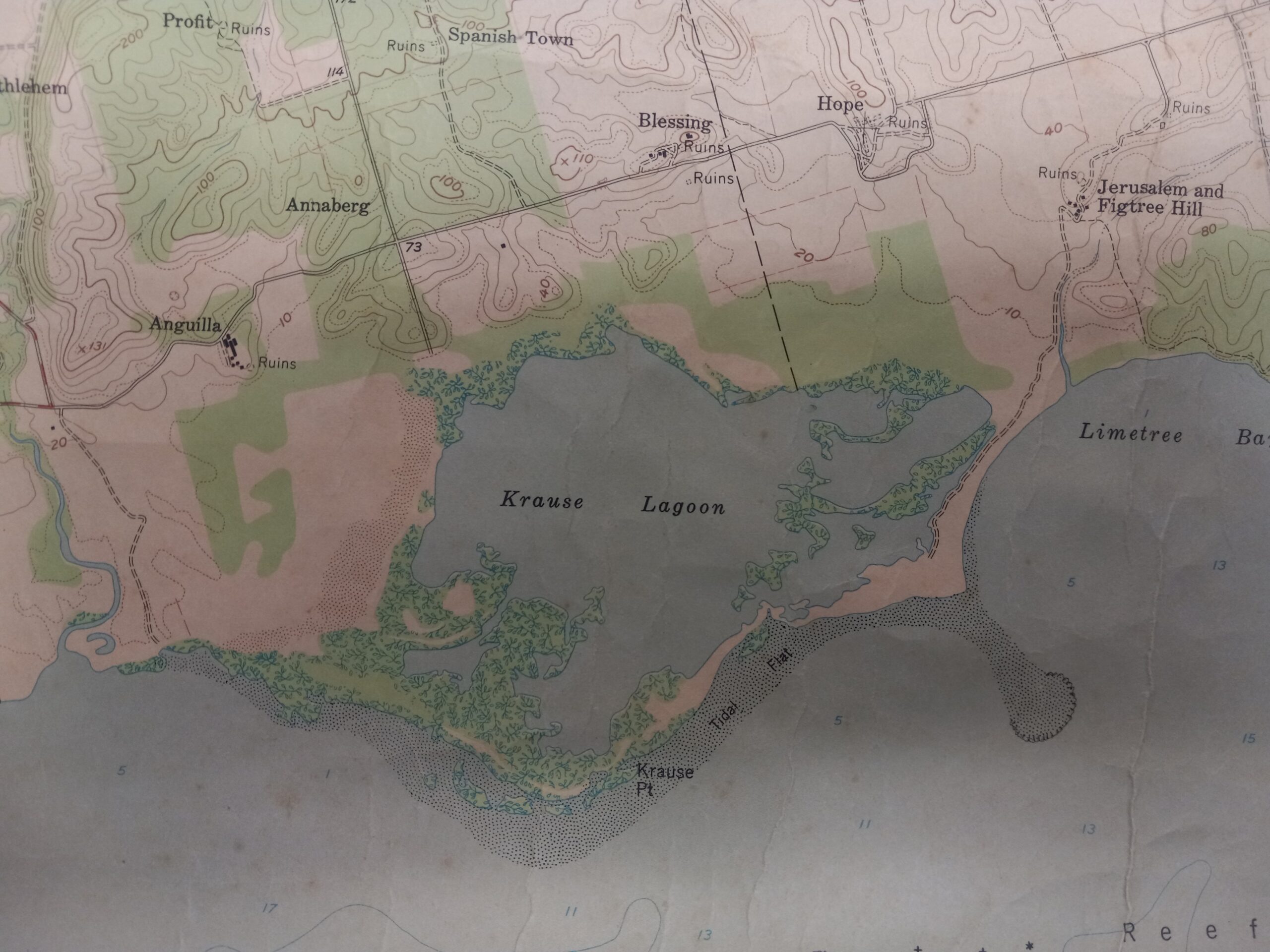
The estate is located northwest of the Krause Lagoon and south of Annaberg Hill. It is in an angle of the main shore, with mangrove forest, the Krause Lagroon on the west, King’s Quarter, and on the south coast of St. Croix. Sometimes the lagoon is called Anguilla Lagoon where Anguillians historically used to catch fish, crabs, and other living organisms that inhabit this everglade of wildlife on the south shore of St. Croix. In this environment, “the beauty of it could take your breath away,” Seaman wrote.
Oh! God, I can only image the wildlife on the south shore of the island. Talking about birds! The sun would be blocked out, as sometimes old timers would say, in the late afternoon when birds come to roost in the mangrove forests, drink of fresh water, and rest their tired legs for a good night rest at the lagoon. Seaman described the lagoon as a “… migratory ‘wave’ for hundreds upon hundreds of shorebirds made the sand and sky alive with their cries and intricate maneuvers.”
It was here Seaman as a boy caught monster eel, large kalaloo crabs that can crawl out of a 5-gallon bucket, lobsters sometimes larger than a newborn human baby, and enjoyed a dramatic exhibition of wildlife where man was one with his environment. For the Anguillians who settled at the south shore of St. Croix hundreds of years ago, life was interconnected with nature and farming. This place was known to old Crucians as Anguilla Pond and the farming community until it was destroyed in the early 1960s.
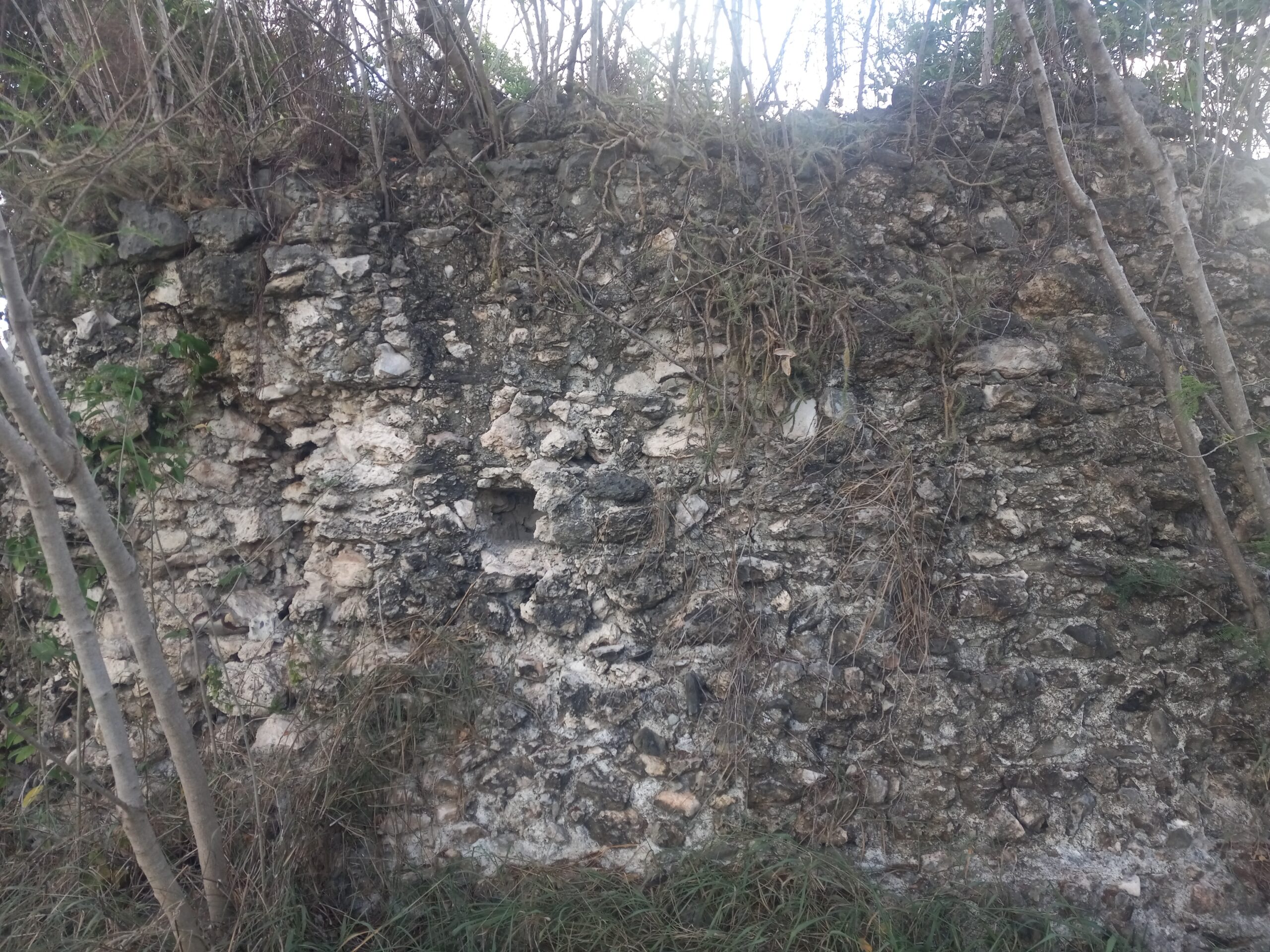
The rich black fertile soil of Anguilla Estate was bulldozed down, and the lagoon was dredged to create the south shore industrial complex. What remains of this once glorious estate is a crumbing sugar mill next to what is known today as Anguilla Landfill.
— Olasee Davis is a bush professor who lectures and writes about the culture, history, ecology and environment of the Virgin Islands when he is not leading hiking tours of the wild places and spaces of St. Croix and beyond.
Editor’s Note: Opinion articles do not represent the views of the Virgin Islands Source newsroom and are the sole expressed opinion of the writer. Submissions can be made to visource@gmail.com.