

A visiting attorney specializing in matters affecting the elderly will help AARP-Virgin Islands explain how seniors and their families can best protect property handed down through the ages. Beginning Thursday on St. Croix and Friday on St. Thomas, AARP-VI will host the second part of its Elder Justice series.
The Elder Justice Summit Series began in June with a presentation for bankers and law enforcement personnel. The second part focuses on family property management and documentation, according to AARP-VI State Director Troy de Chabert-Schuster. “This is not just a conference series. It is a territory-wide effort to strengthen protections for older adults, improve collaboration among stakeholders, and identify practical solutions to the challenges facing Virgin Islands families,” the state director said.
Senior citizens, caregivers and estate planning specialists are among those invited to join forums taking place at the University of the Virgin Islands Medical Simulation Center on St. Croix Thursday, and Friday at the Laverne E. Ragster Administration and Conference Center. Both sessions begin at 9 a.m. Attorney Tina Smith Nelson, senior managing attorney with the Washington, D.C.-based group Legal Counsel for the Elderly.
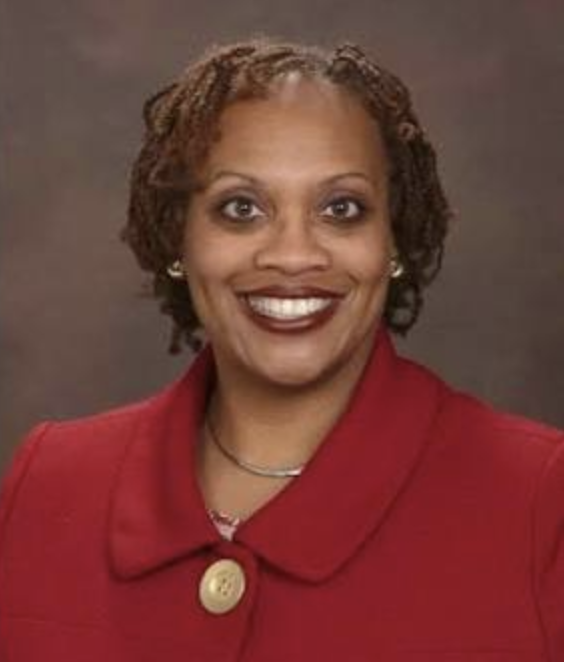
Nelson leads an 11-member team handling several legal projects, including one called the Probate and Estate Planning Project. “ … under that project, we assist low-income seniors in the District of Columbia to go through the probate process for the purpose of settling estates and transferring title of the property into our seniors’ names,” she said. “We find that many seniors in the District of Columbia — which I’ll say might be the same here in the Virgin Islands — are living in homes that have been titled or are still titled in parents’ names, grandparents’ names, and sometimes great-grandparents’ names. It’s what we like to call family property.”
Nelson added that through working with seniors in the nation’s capital, it was found that the informal transfer of property passed down through generations led to legal ambiguities that put continued ownership in peril. “And we find that when the deeded owner died so many years ago it creates what’s called an heirs’ property issue … when title is informally transferred from generation to generation because no one has gone through the legal process to actually transferring title to the property.”
Forum organizers add that the situation is further complicated by an eight-year backlog of cases in the Superior Court Probate Division. Elder Justice advocates say they hope to advance public policy measures that will streamline the probate process and encourage families to learn more about estate planning.
“This session is designed to generate actionable solutions and strengthen collaboration across legal, housing, judicial, and policy sectors,” de Chabert-Schuster said.