

Artificial intelligence is expanding into new frontiers, including one of the most complex: weather forecasting. Still, experts caution that human judgment remains vital to the forecasting process.
Two of the most widely used global computer forecast models include the Global Forecast System, which the United States operates, and the European Centre for Medium-Range Weather Forecasts model, operated by multiple European nations and headquartered in the United Kingdom.
“Numerical weather prediction (NWP) models, such as the GFS and the ECMWF models, take these atmospheric data, create a snapshot of the current atmosphere, and run highly complex calculations to predict what the atmosphere will do next,” according to the World Meteorological Organization. “Meteorologists then use the NWP model outputs, called ‘forecast guidance,’ to help aid them in preparing their weather forecasts,” the WMO said.
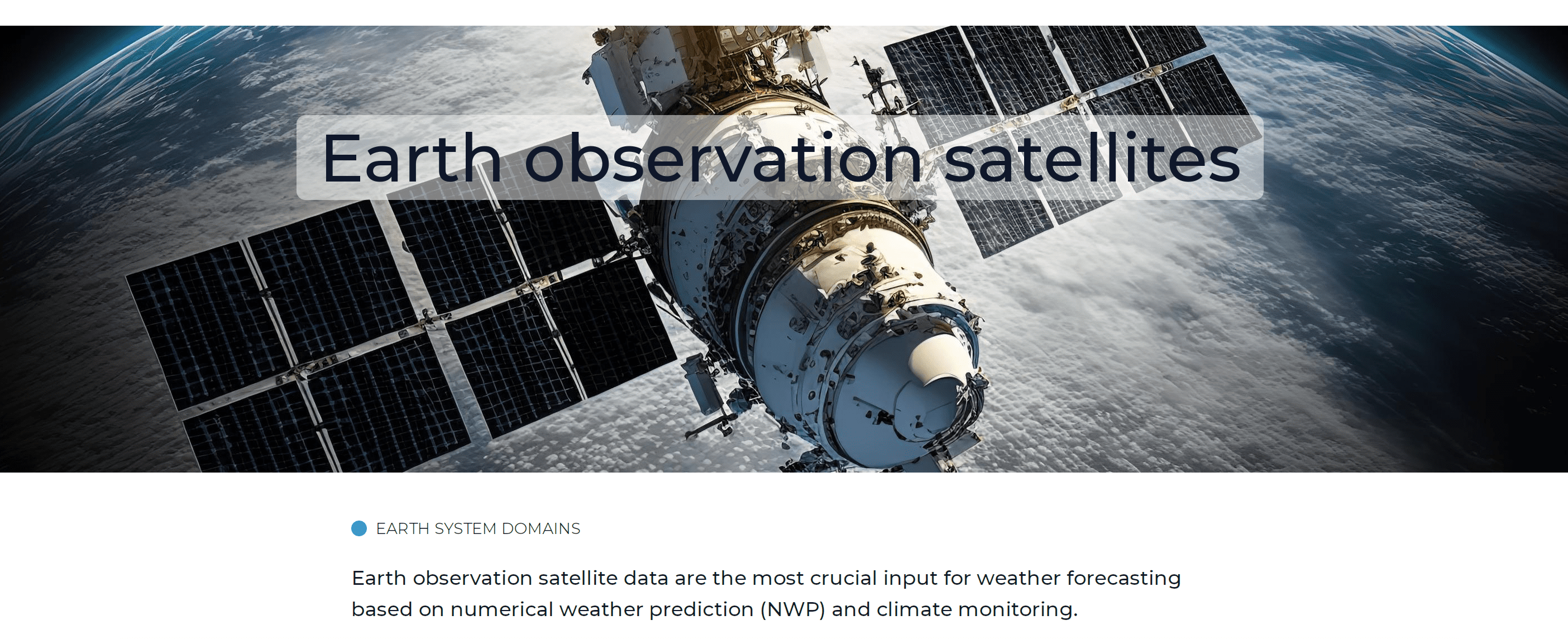
“This approach has revolutionized weather forecasting, resulting in dramatic improvements in forecasting accuracy,” the WMO stated. “To be effective, NWP models require an accurate understanding of the current state of the atmosphere, including its temperature, pressure, and water vapor at different levels of the atmosphere and from around the Earth,” the WMO said. (This data is primarily obtained by environmental satellites and weather observations around the globe.)
Despite their sophistication, the GFS and ECMWF models have limitations, including occasional accuracy issues and restrictions based on how often the models are initialized daily.
How AI May Improve Weather Forecasting
With the 2025 Atlantic Hurricane Season soon approaching, the Source contacted Wallace Hogsett, science and operations officer of the National Hurricane Center, about the current forecasting tools that meteorologists utilize to help create accurate weather forecasts and the growing role of AI in weather prediction.
Hogsett first explained how the current major forecast models aid meteorologists.
“The global numerical models, such as the GFS and ECMWF, are similar in that they solve the equations that govern the atmosphere,” Hogsett stated. “In doing so, each model makes assumptions about different atmospheric processes (such as) how clouds and storms develop, for example, and these assumptions lead to slightly different forecast outputs among the models.”
He clarified how the numerical forecast models, based on physics, differ from AI prediction systems.
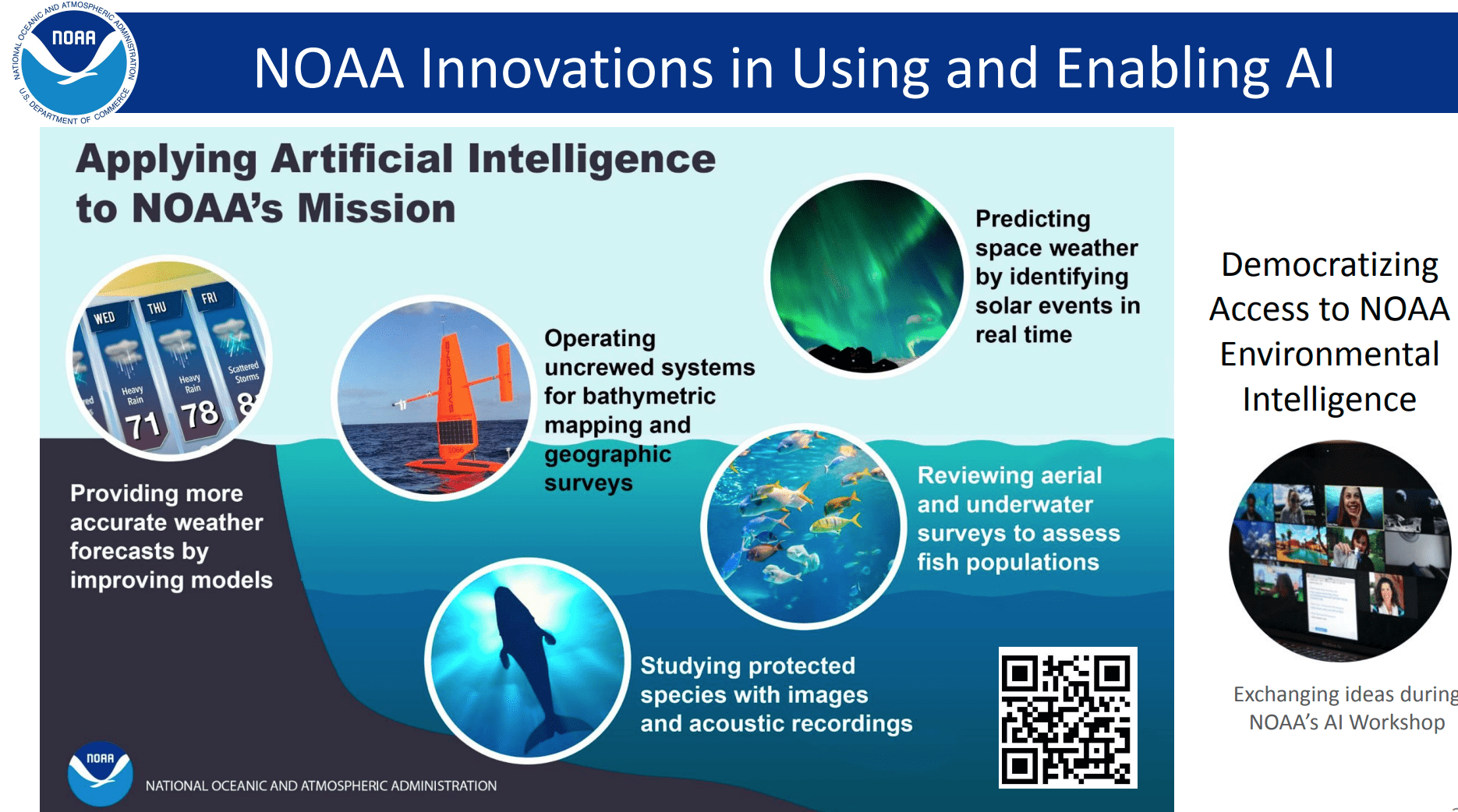
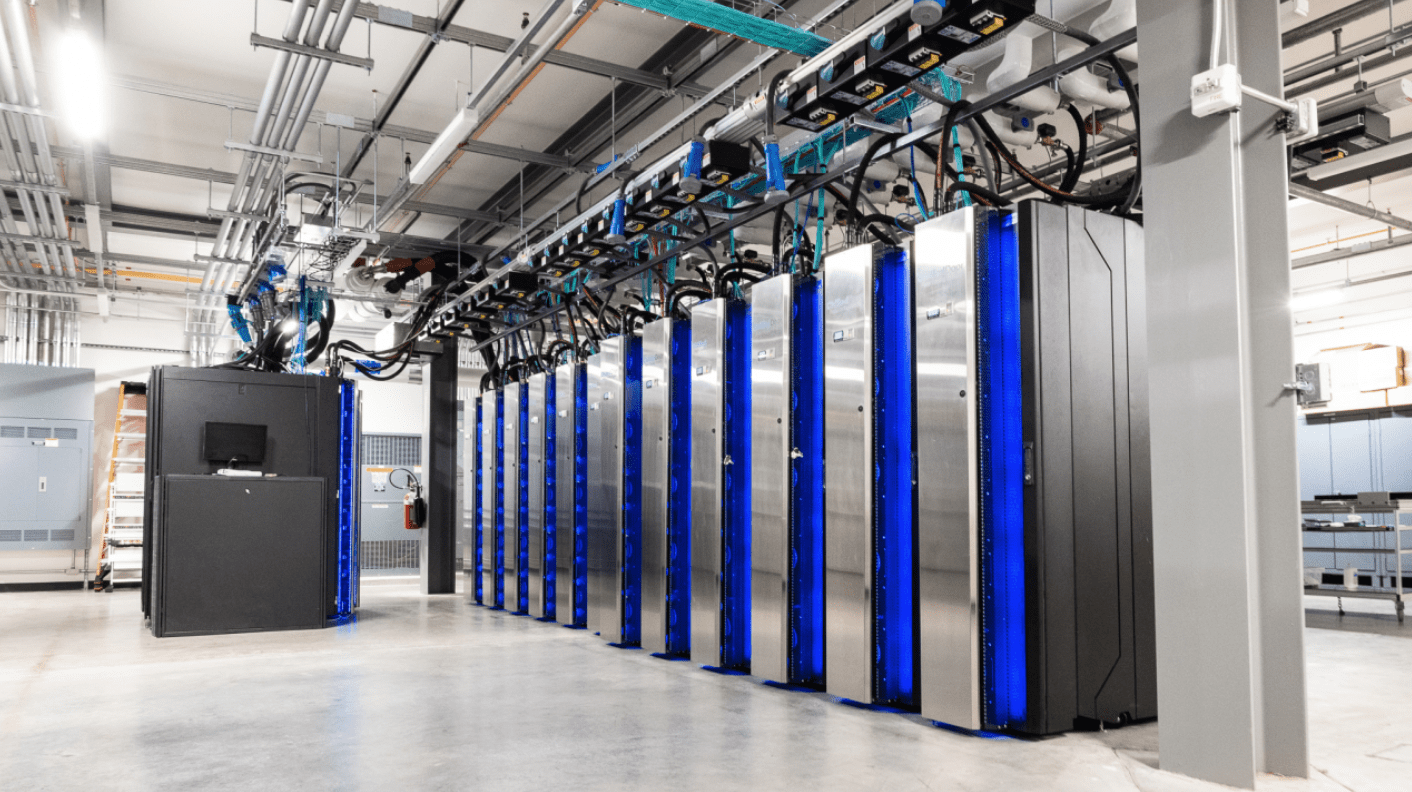
“The end goal of physics-based and AI-driven approaches is the same: to predict future weather hazards as accurately as possible,” Hogsett said. “However, instead of solving the physical equations of the atmosphere, the AI-driven models essentially learn patterns by training models with vast amounts of historical data. AI models require less computational power to produce a forecast, so they run faster than traditional (numerical) models,” he noted.
“However, the AI model training process requires vast amounts of historical analyses, which are actually produced by traditional models,” said Hogsett. “So, in that sense, traditional models and AI systems are highly complementary.”
Hogsett went on to describe how AI-driven weather forecasting is rapidly evolving.
“The use of AI in weather forecasting is accelerating,” Hogsett acknowledged. “While simple forms of AI have been used for many years, new tools are emerging more quickly than ever. The ECMWF, for example, has operationalized a new AI-driven global forecast system, which will be available this hurricane season. More AI-based tools and models are certainly coming, and we’re evaluating them all thoroughly for potential integration into forecast operations,” he said.
Advancing Weather Forecasting with AI in the Caribbean
Artificial intelligence tools have the potential to enhance the accuracy of climate predictions globally, including in the Caribbean region, where AI tools will be especially beneficial for tracking hurricanes.
“We are just beginning to formally evaluate and incorporate these new models into forecast operations,” Hogsett shared. “It takes time to fully evaluate the skill of new models, and we don’t like to point to a single event’s success or failure as indicative of the overall value of a new tool,” he continued.
“AI-based forecasting models are showing some promise to improve tropical cyclone track forecasts, which of course are critical for the Caribbean,” Hogsett said. “(For example,) there are efforts to develop higher-resolution AI models that may yield benefits for areas with highly localized weather phenomena, such as island communities.”
Why Human Expertise Still Matters in Weather Forecasting
While artificial intelligence models are constantly improving, Hogsett emphasized that there will continue to be a need for human weather forecasters.
“No (forecast) model is perfect, (but) models have always been, and will continue to be, very important tools that have strengths and weaknesses,” Hogsett acknowledged. “The role of trained meteorologists isn’t changing; we are experts on not only the science of the weather, but also on the strengths and weaknesses of the tools that we use. Most importantly, we use this knowledge to communicate the uncertainty that informs the decisions that (the public) must make,” he added.
“AI models are critically dependent on their training data, (and) most of the current generation AI models are trained on relatively coarse-resolution data,” Hogsett explained. “(Therefore,) they are not yet able to capture fine-scale details, such as thunderstorms and hurricane structure,” he continued. “This missing fine-scale detail is often where the most severe hazards occur, so human expertise is critical.”
Cultivating Public Trust
As artificial intelligence starts to play a bigger role in weather forecasting, Hogsett noted that public trust remains critical. Hogsett said that new tools like AI are tested before being utilized in forecasts, and no matter how advanced the tech gets, the core mission of protecting lives and property stays the same.
“Building and maintaining public trust is part of our job (as meteorologists) that we take very seriously,” Hogsett asserted. “Any new tools and technologies undergo a rigorous evaluation, often over several years to fully understand how the tools perform in many different scenarios, before they become a core component of our forecast and risk communication process,” he emphasized.
“As meteorologists, we have collaborated well with machines for decades,” Hogsett pointed out. “AI may change the way we collaborate with machines, but it won’t change our core mission focus of saving life and property,” he concluded.
Stay Informed About the Weather
Hurricane season begins on June 1 and runs through Nov. 30, and USVI residents and visitors are encouraged to be prepared. The National Oceanic and Atmospheric Administration plans to release this year’s hurricane season predictions on May 22, and individuals will be able to locate the forecast on the administration’s official website.
Several weather organizations, including AccuWeather and Colorado State University’s Tropical Meteorology Project, have predicted a potentially busy season. Still, while seasonal forecasts are valuable for gaining an idea of what a season may look like, it only takes one storm to create a potential disaster. Being as prepared as possible for any storms is essential.
In addition to obtaining weather information from the NWS and NOAA, the local weather forecast for the U.S. Virgin Islands is regularly updated on the Source Weather Page and VI Source YouTube Channel. Individuals can also find helpful weather information and alerts from the Virgin Islands Territorial Emergency Management Agency.