


Reenactments are more than just performances; they are a powerful way to stay connected to our roots, heritage, and the stories that have shaped who we are. This was evident at the recent event commemorating the 146th anniversary of the Fireburn on St. Croix, where an evening of music, dance, theater, and ritual bridged the gap between generations.
The Fireburn of Oct. 1, 1878, a labor rebellion that ignited on the island, was a pivotal moment in Caribbean history, a time when enslaved Africans, their descendants, and newly arrived laborers from across the Caribbean stood together to demand fair treatment. This annual reenactment, rooted in tradition, not only honors those ancestors but also fosters a sense of pride, identity, and unity for all who take part.
A Sacred Start: Libations and Blessings
In a powerful reflection on the role of cultural traditions, Sayeeda Carter, a passionate educator and advocate for cultural preservation, shared, “When the elders of UCA asked me to pick up the mantle with my students, I did. And with all the support of our beloved community, we can get better each year.” Her words underscored the importance of passing the torch — both literally and figuratively — to the next generation, ensuring that the stories and tradition of the past continue to inform and uplift the future.

Though some attendees appeared new to the tradition, they were asked to call upon their ancestors “in reverence not worship as offerings in the Yoruba tradition commenced the sacred space of Frederiksted. “I salute the god I cannot see,” acknowledged the unseen forces that continue to guide us throughout it. Those words set the tone for the evening: a reminder that our ancestors, though not physically present, are always with us in spirit, guiding our steps and inspiring us to continue their fight for justice.
Music: The Sound of Resistance and Resilience
The music of the day was just as much a part of the historical remembrance as the reenactments themselves. A highlight was the moving performance by the Complex High School choir under the direction of Alafia Flenyol, St. Croix administration choir director. The choir dedicated their performance to Queen Mary, one of the central figures of the Fireburn. Their rendition of “You Gotta Be” resonated deeply, echoing the themes of resilience, determination, and strength that were so evident during the rebellion.
Dance: Expression and Empowerment
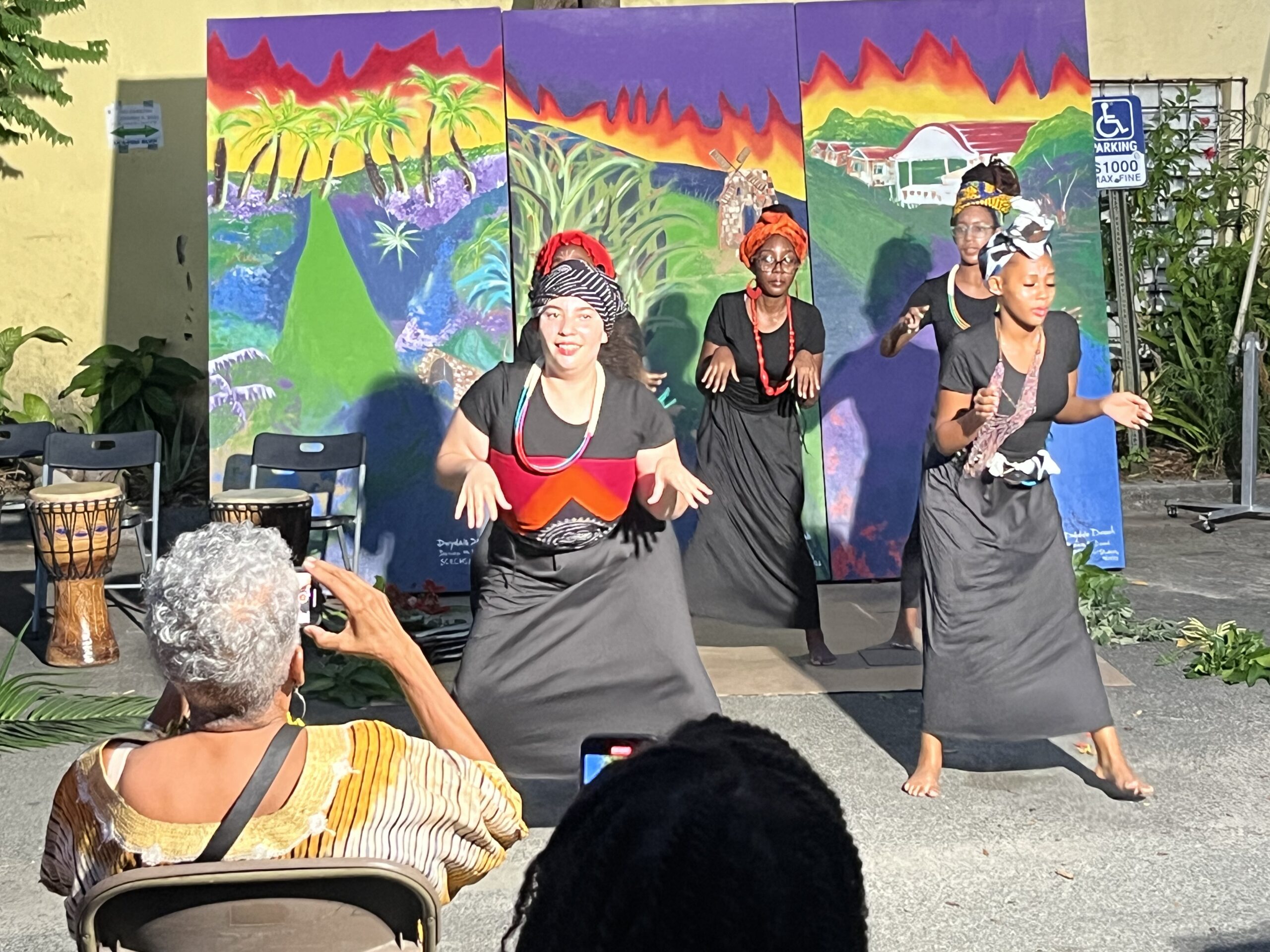
The “Fireburn Dancers,” led by Sole Rogers, a 12th grader at Complex High School, showcased the creativity and passion of young people today. Their performance was more than just a dance; it was an embodiment of freedom, strength, and cultural pride. In a time when many young people face challenges that can feel overwhelming, such performances offer them an outlet for expression and an opportunity to connect with their heritage in a meaningful way.
A Dramatic Reflection: 1878
One of the most powerful moments of the event was the presentation by the Complex High School students of “Scenes from 1878: Queen Mary and Dem,” a play by Richard Schrader that brought to life the stories of the labor rebellion. Six different scenes captured the harsh realities faced by the workers under poor wages and inhumane working conditions. The reenactment was a stark reminder of the difficult choices faced by those who fought for justice and the deep scars left by the legacy of slavery.
Preserving Our Culture: “Lighting the Torch for the Future”
Following the reenactments, additional demonstrations by Karen “Lady Mac” McIntosh Bruce of Red Dragonfly, a nonprofit dedicated to preserving St. Croix’s culture, took the stage among others with words of wisdom, including historian and community activist Mario Moorhead. During Lady Mac’s presentation, she called on the audience to “light the torch for the future” and shared stories of her elders and the importance of standing up for causes you believe in.
Carter also captured this sentiment when she reflected on the role of cultural practices in empowering young people. “Extracurricular activities, especially those related to our ancestry, history, and culture, help with our Caribbean/African humanity! In a time when so much feels unbalanced, stagnant, and oppressive, the arts serve to create another path and help keep our young people dreaming, imagining, and creating hope!” she said.