

The Virgin Islands government’s suit against plastic bottle producers will stay in local courts after a ruling by federal Judge Robert Molloy Monday.
Molloy ruled that the suit from the Department of Licensing and Consumer Affairs and the government of the Virgin Islands against makers of Pepsi and Coke products could proceed in the Virgin Islands Superior Court.
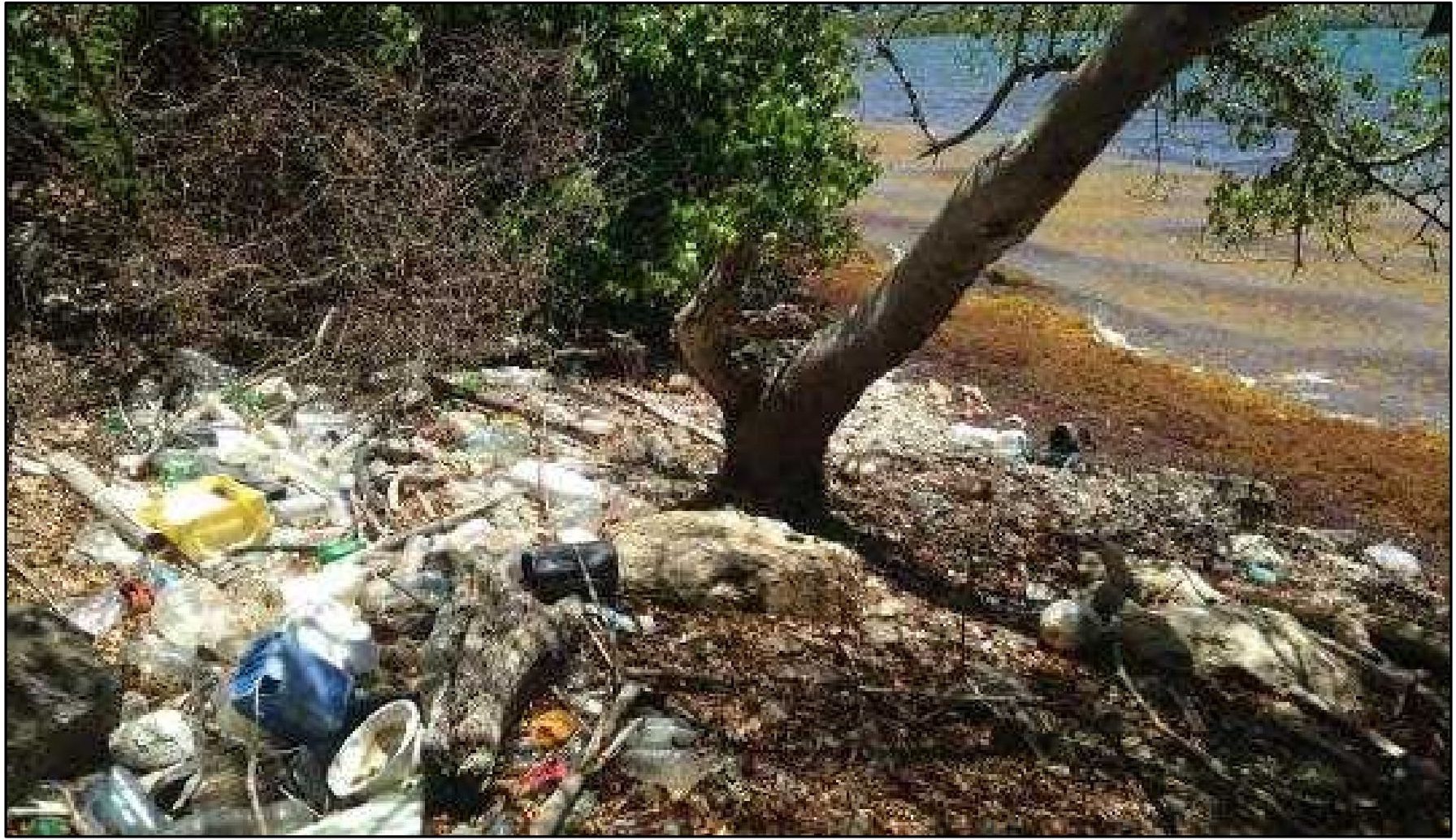
Local government entities claimed in their April 2025 suit that PepsiCo and Coca-Cola were creating, marketing, and distributing plastic products they knew could not be recycled, despite their claims to the contrary. The associated litter, the USVI government said, was burying the territory’s natural beauty under waves of floating garbage.
The suit claimed violations of consumer protection laws, the Consumer Fraud and Deceptive Business Practices Act, and common public nuisance laws.
“PepsiCo and Coca-Cola — the top plastic polluters in the world — have littered the Virgin Islands with their plastic bottles and engaged in a disinformation campaign to make consumers falsely believe that purchasing their products in single-use plastic bottles is an environmentally responsible choice,” according to the lawsuit, which included photos of plastic debris on beaches, waterways, and overflowing landfills.
Contrary to statements from the companies, plastic bottles could only be recycled once, if at all, the suit alleged. In 2019, the companies invested $4.24 billion in advertising and marketing but only $11 million to help fund a river cleanup initiative, the same year, according to court records. The suit also alleged PepsiCo Inc., PepsiCo Caribbean, The Coca-Cola Company, and CC 1 Virgin Islands made “false or misleading statements or representations” about the characteristics of the presence of microplastics.
The beverage companies were not alone, the suit alleged, and belong to organizations that lobby lawmakers and trade groups to define words like “recyclable” more loosely, push back on low-plastic packaging restrictions and single-use plastic use, and create false-front groups — like Alliance to End Plastic Waste — that only pretend to promote environmental sustainability.
It was unclear when the Superior Court might hear the case.