

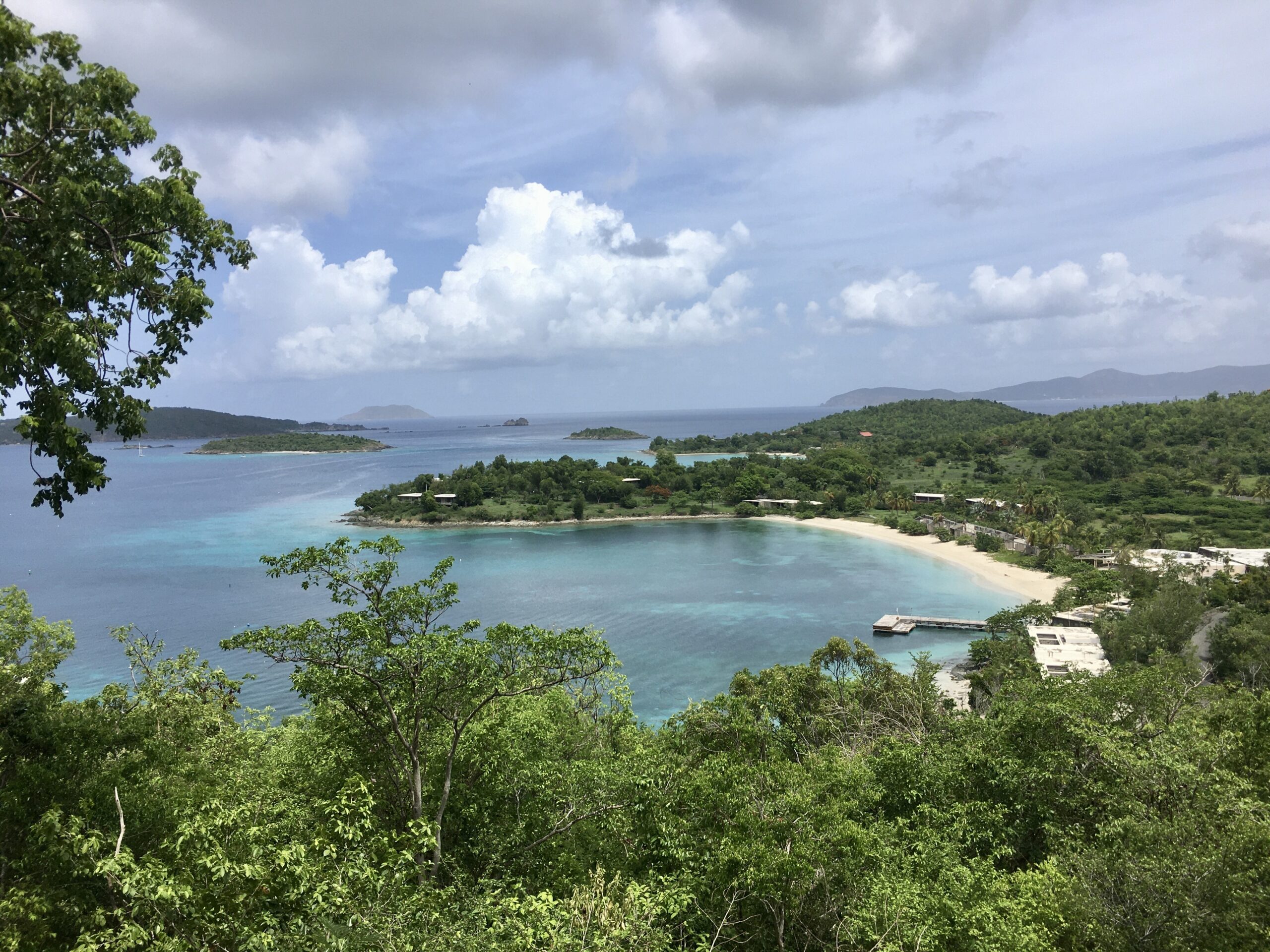
If you assumed the National Park Service was moving forward with its 2023 plan to rebuild Caneel Bay Resort on St. John, you may be in for a shock.
The 2023 plan has been replaced, and the new plan lifts numerous constraints on prospective developers and removes all requirements for public access mandated under the former plan.
The new guidelines for Caneel’s development are specified in a document called Request for Proposals to Lease Property at Caneel Bay, published by the National Park Service on May 7.
Though it is technically not “a plan,” the May 7 Request For Proposals spells out the guidelines for development and the process by which “individuals, organizations, or teams” may “submit proposals to the NPS to enter into a lease” for up to 60 years.
The Source published a comprehensive summary of this 36-page document in a recent article.
The article you’re reading now focuses on the differences between the 2023 plan and the 2026 plan, which will affect residents and visitors to St. John for generations to come.
Overall Acreage Available for Development
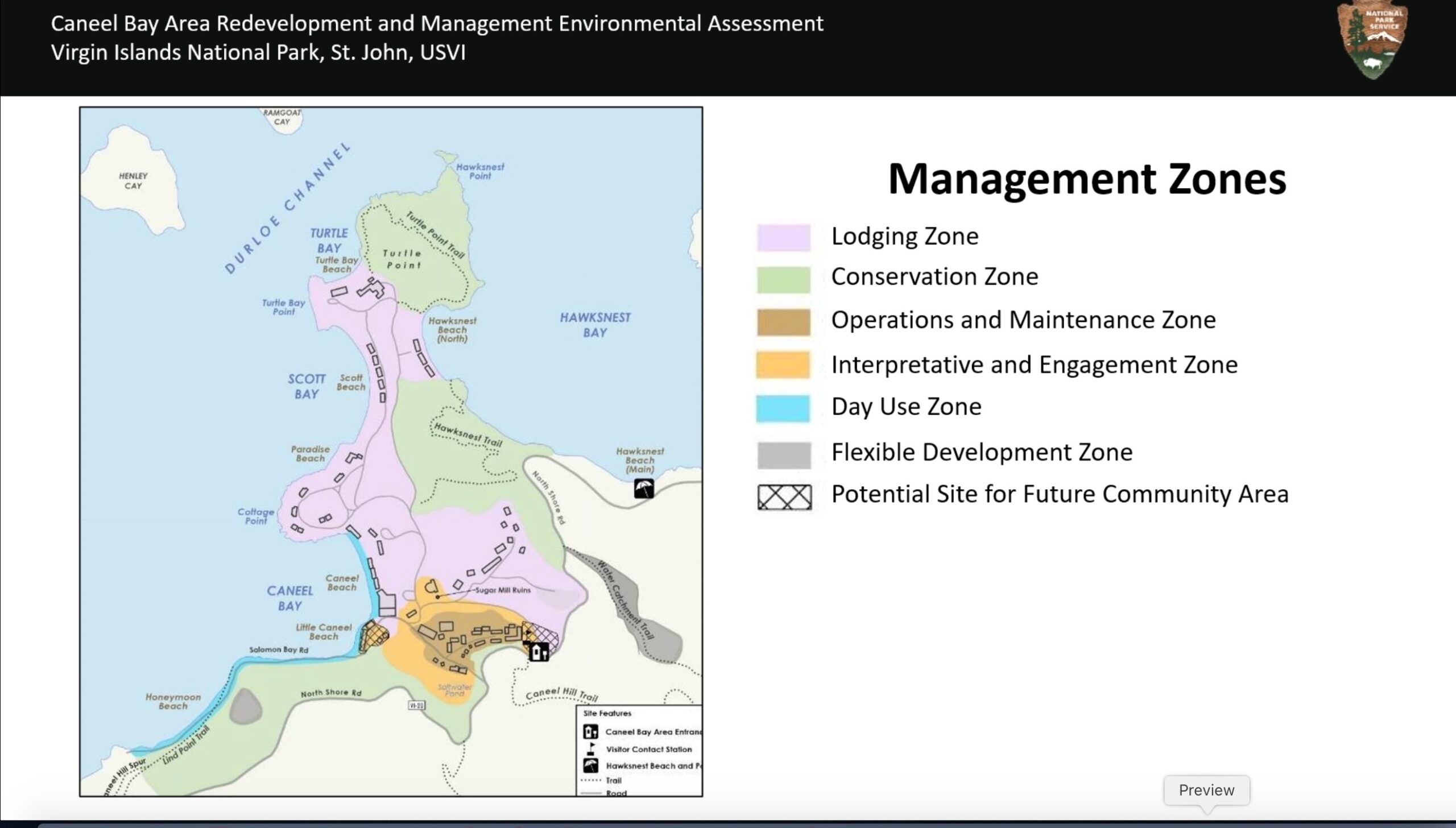
Under the 2023 plan, the NPS set aside 74 acres within the 150-acre property for construction of a resort; additional property was subject to negotiation.
Under the 2026 plan, the resort developer has permission to build within the entire 150-acre property.
Number of Overnight Units
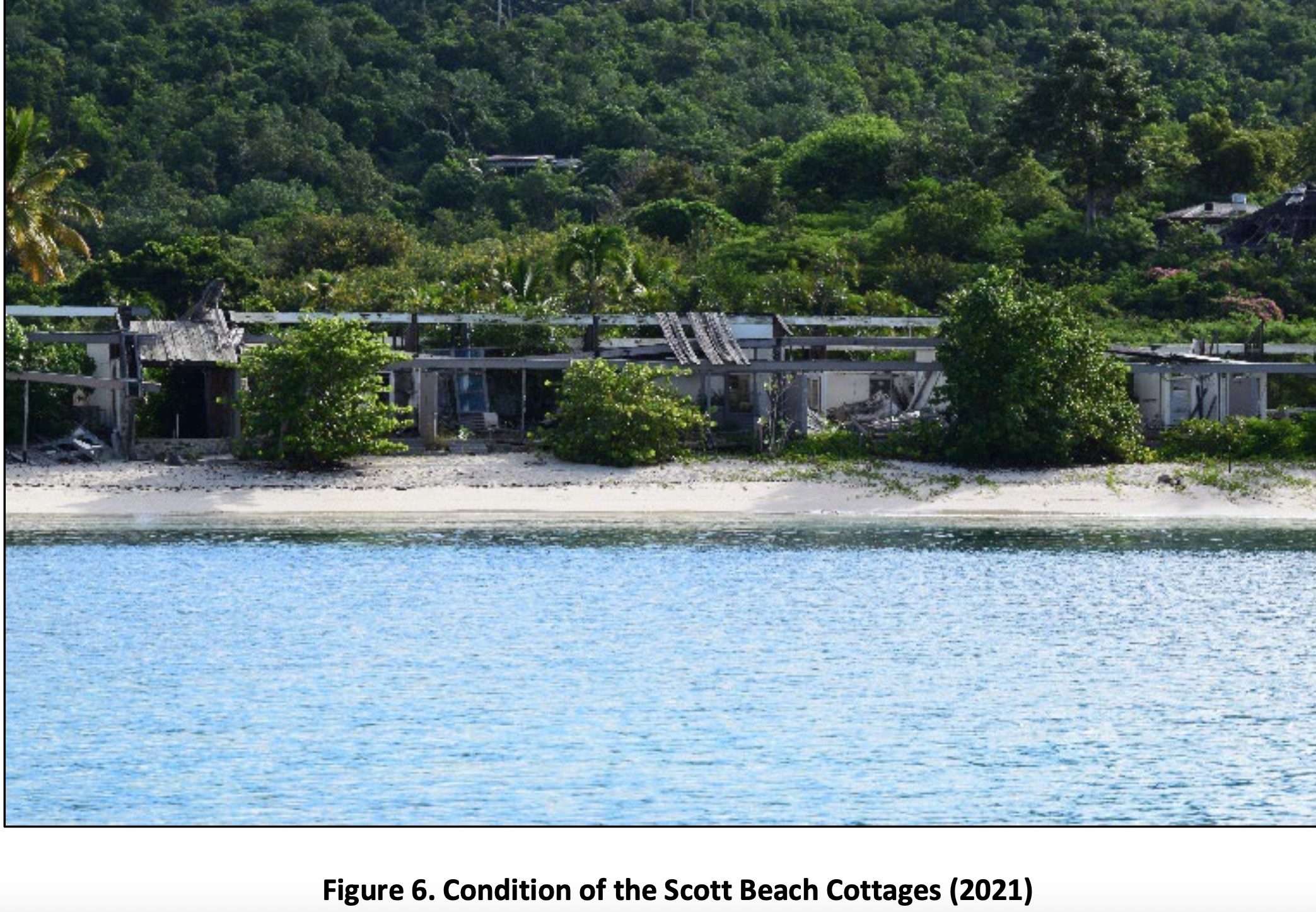
The 2023 plan called for the construction of an environmentally sustainable resort with up to 166 overnight units, the same number that was available at the Caneel Bay Resort before it closed because of hurricane damage in 2017.
The 2026 plan sets no limits on the number of units that can be constructed and makes no mention of height restrictions. A developer would be allowed to elevate buildings in areas prone to flooding.
Public Access to Beaches
Under the 2023 agreement, five acres were designated for public day use and recreation, including the main beach at Caneel Bay and Honeymoon Bay. Amenities would include public bathrooms/shower facilities, picnic areas/tables, food services by concessioner, nonmotorized equipment rentals, and water activities.
Under the 2026 RFP, there is no mention of any property reserved for day use for the public.
The new document allows the developer to restrict public access on the property’s seven beaches to the “wet sand” areas – essentially the mean tide mark, following territorial law.
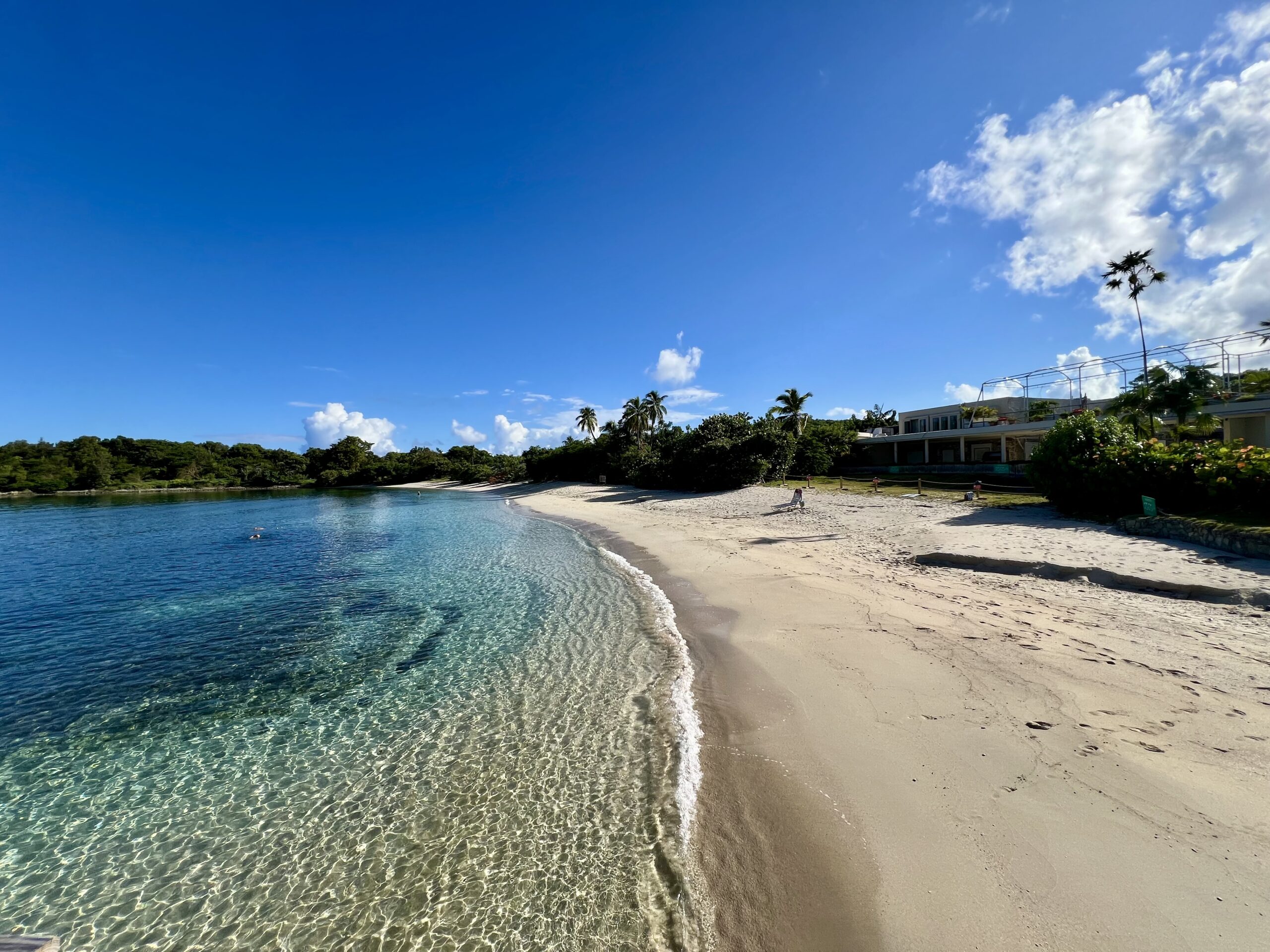
The language in the RFP states, “At a minimum, the public may use navigable waters of the area, including the wet sand beach (foreshore) of Honeymoon Beach, Little Caneel Beach, Caneel Beach, Scott Beach, Paradise Beach, Turtle Bay Beach, and Hawksnest Beach (North). Offerors should identify in their proposals the degree to which public access beyond this requirement will be allowed.”
In other words, prospective developers may choose to provide more public access, but they are under no obligation.
Additional Public Access
Under the 2023 plan, the Virgin Islands National Park would maintain control of 11 acres to use as an interpretation area where visitors could learn about the site’s archaic, colonial, and post-emancipation era features. (The sugar mill ruins are located in this section.)
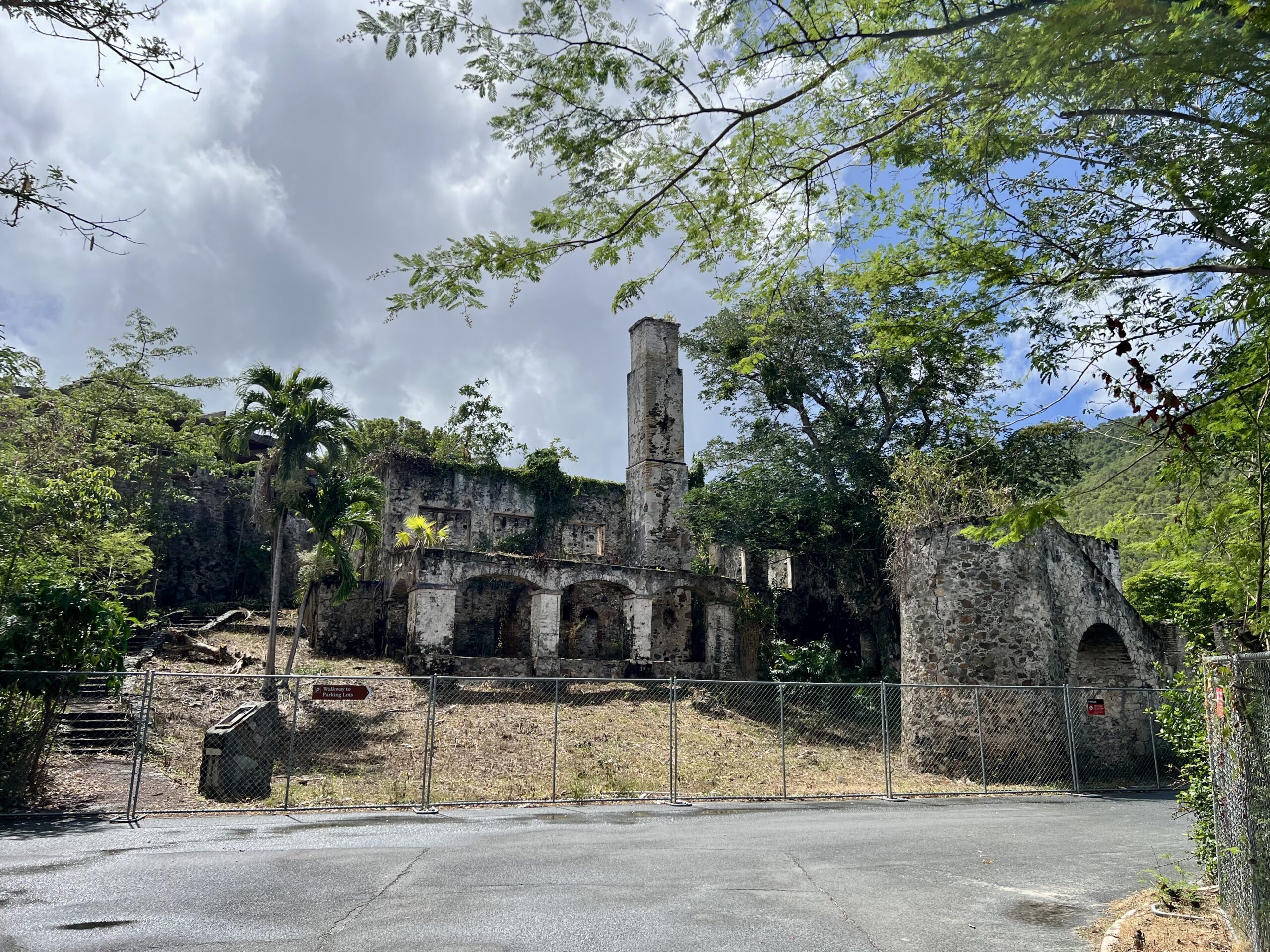
Under the 2026 plan, there is no provision for the park to create an interpretation zone that’s open to the public.
In 2023, the Park Service stated it was open to creating community partnerships to establish a museum, heritage center, farmers market, garden, or amphitheater in the public access areas.
In the 2026 plan, there is no mention of community partnerships.
Under the 2023 plan, a conservation area of 78 acres – including Caneel Hawksnest and Turtle Point – would be set aside to preserve natural resources and archaeological features. The public would have access to these areas by trails.
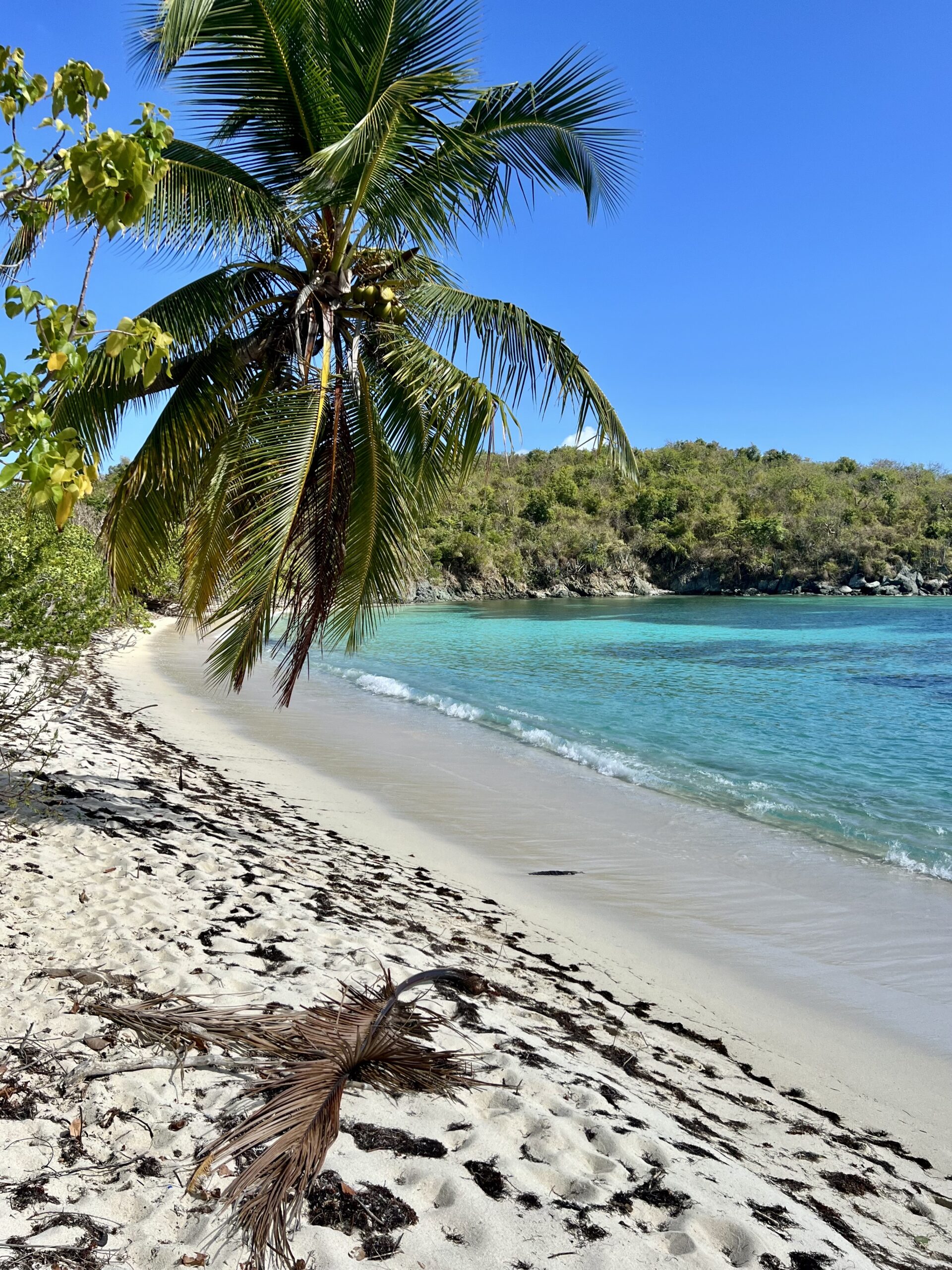
Under the 2026 plan, there is no provision to establish a conservation area that’s open to the public.
The 2026 RFP states, “There are several trails in and around the Leasehold Premises that are accessed from the Leasehold Premises. These trails include, but are not limited to, the Water Catchment Trail, Caneel Hill Trail, and Lind Point Trail. The NPS intends for the public to continue to have access to these trails under any proposed redevelopment.”
The new plan makes no mention of public access to the trails at Turtle Point and Caneel Hawksnest.
Economic Opportunities for Virgin Islanders
The 2023 development document also called for “commitment to fair wages and employment for the residents of the U.S. Virgin Islands; partnerships with local organizations, such as the University of the Virgin Islands for candidates in the hospitality and tourism management degree program; and opportunities for local artists and vendors to sell local goods at the site.”
None of these opportunities is mentioned in the 2026 RFP.
NPS Has Not Provided a Reason for Changing the Selection Process
The Park Service did not respond to questions submitted by the Source seeking reasons for halting the previous selection process when the new 2026 Request For Proposals was published in May.
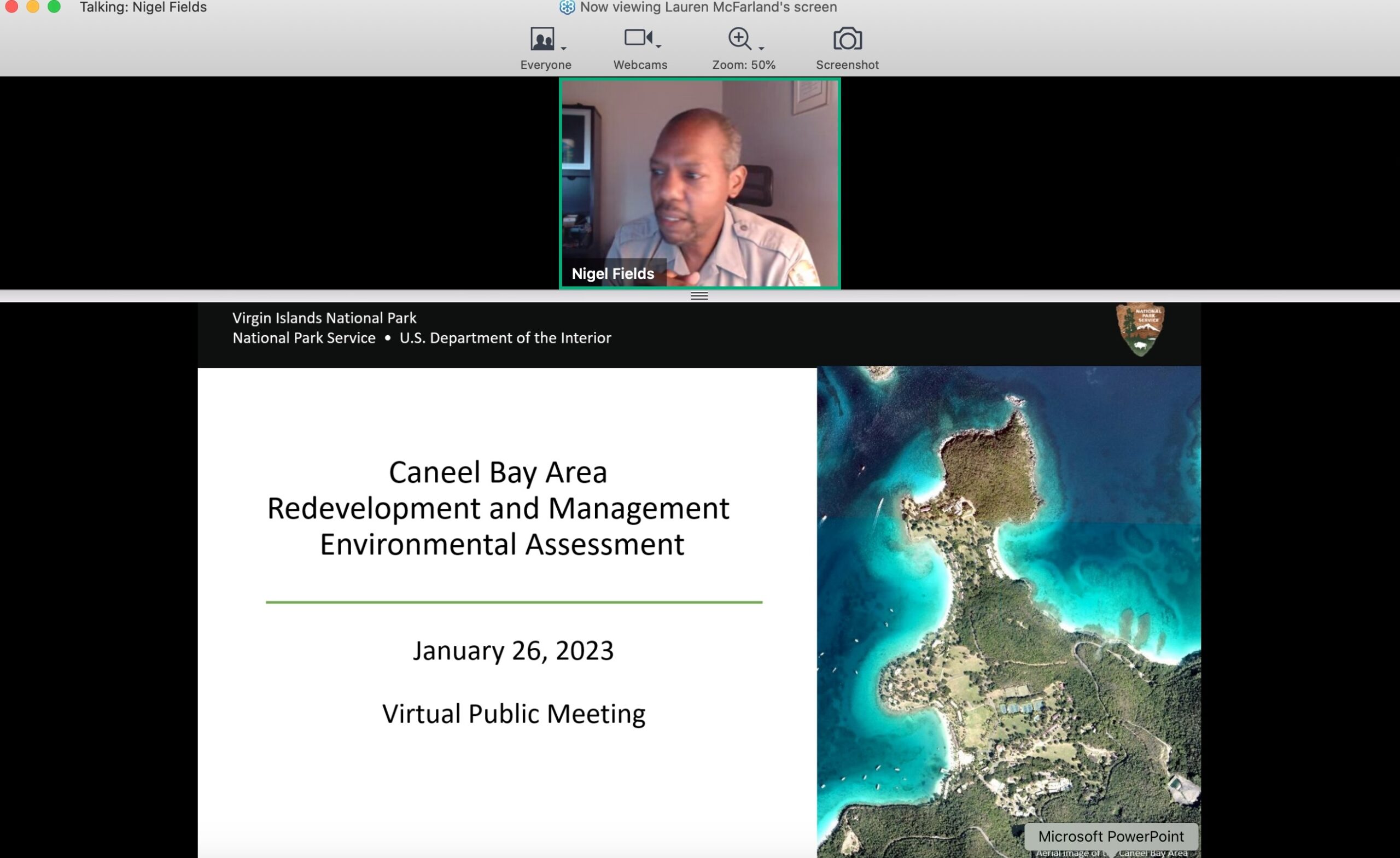
The 2023 plan was developed over a two-year planning period, which included multiple public meetings. NPS officials took into account more than a thousand written comments submitted by residents and visitors.
The 2023 plan was a compromise between those who wanted to see the resort rebuilt and those who wanted the property to remain in a more natural state. “We think we’ll be able to provide a good balance between more or less development,” said Nigel Fields, the superintendent of the Virgin Islands National Park during the planning process.
In October 2024, the NPS invited prospective developers to tour the premises and submit documentation (through a Request for Qualifications) to prove they had the technical and financial resources to rebuild the hotel. Proposals were due by March 2025.
Although nearly 21 different entities expressed interest in Caneel Bay, the NPS did not disclose how many applicants actually submitted their qualifications. According to the process laid out in the Request for Qualifications, the NPS was expected to take several months to review the applications and invite the top four or five to submit proposals during the summer of 2025.
But at that point, the National Park Service “went dark.” No further information was available about the selection process. Instead of answering questions directly, Virgin Islands National Park officials began referring all media inquiries to offices in the regional headquarters. Questions submitted by the Source to stateside NPS officials in May remain unanswered.