

On Thursday, Feb. 5, Right to Democracy hosted a virtual conversation on colonialism in U.S. territories and its impact on their citizens. The discussion was prompted by President Donald Trump’s recent remarks about Greenland becoming a U.S. territory.
Panelists from the Virgin Islands, Puerto Rico, Guam, American Samoa, and the Northern Mariana Islands discussed ongoing struggles rooted in the history of colonization, including limited self-governance, externally regulated legal systems, and unfulfilled promises of political decolonization. Early in the discussion, the panelists highlighted their territory’s relationships with the United States.
Hadiya Sewer represented the U.S. Virgin Islands and discussed how the territory’s history of colonial occupations and being bannered by multiple flags, from Spain, Denmark, and the United States, underscores how colonial legacies have fractured cultural identity and created internal divisions.
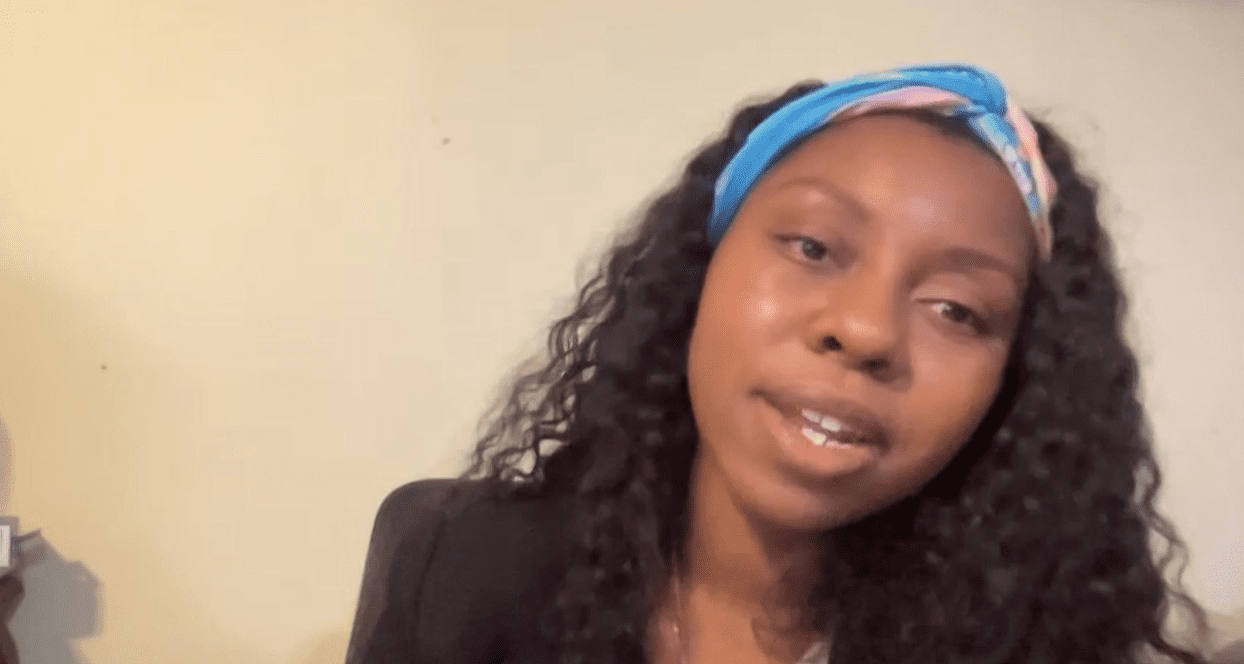
“And one of the reasons the Virgin Islands gets invoked in the conversations that we’re having around Greenland is because around the time of negotiating and signing the treaty around August 4th, 1916, Robert Lansing, under Woodrow Wilson, declared on behalf of the United States that the U.S. government will not object to the Danish government extending their political and economic interests to the whole of Greenland,” said Sewer.
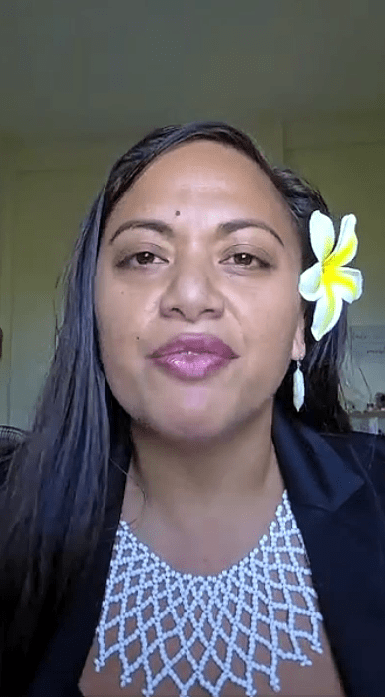
“Many of the other territories also feel that their relationship is unique. And so I have found and realized that we’re all constantly trying to clarify this relationship that we have with the United States,” said Sheila Babauta of the Northern Mariana Islands.
The topic of deep-sea mining was raised as an area of concern for some territories as well, underscoring the U.S. government’s unwarranted regulation in territories. Last year, the president established policies to advance deep-sea mining, but pushback was raised in territories.
“Our community was very confused at first. You know, many were not aware of what deep-sea mining was,” said Babauta.
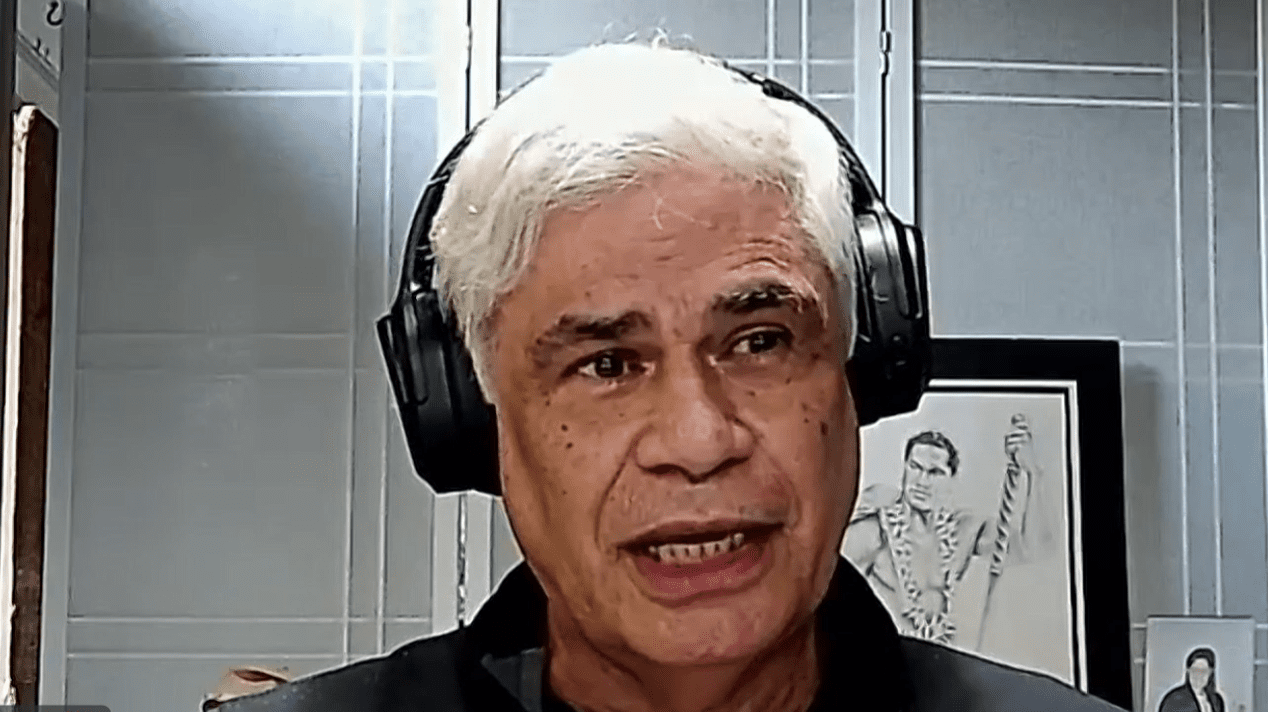
“There is a very strong contingent of American Samoans who do not want to have this kind of commercial exploitation,” said Charles Ala’ilima, the panelist from American Samoa. “So the American Samoans did stand up and we did shut down through that action the ability of the politicians to basically try to say this is a moneymaker for us,” he added, as he referenced the negative environmental impact sea mining would have.
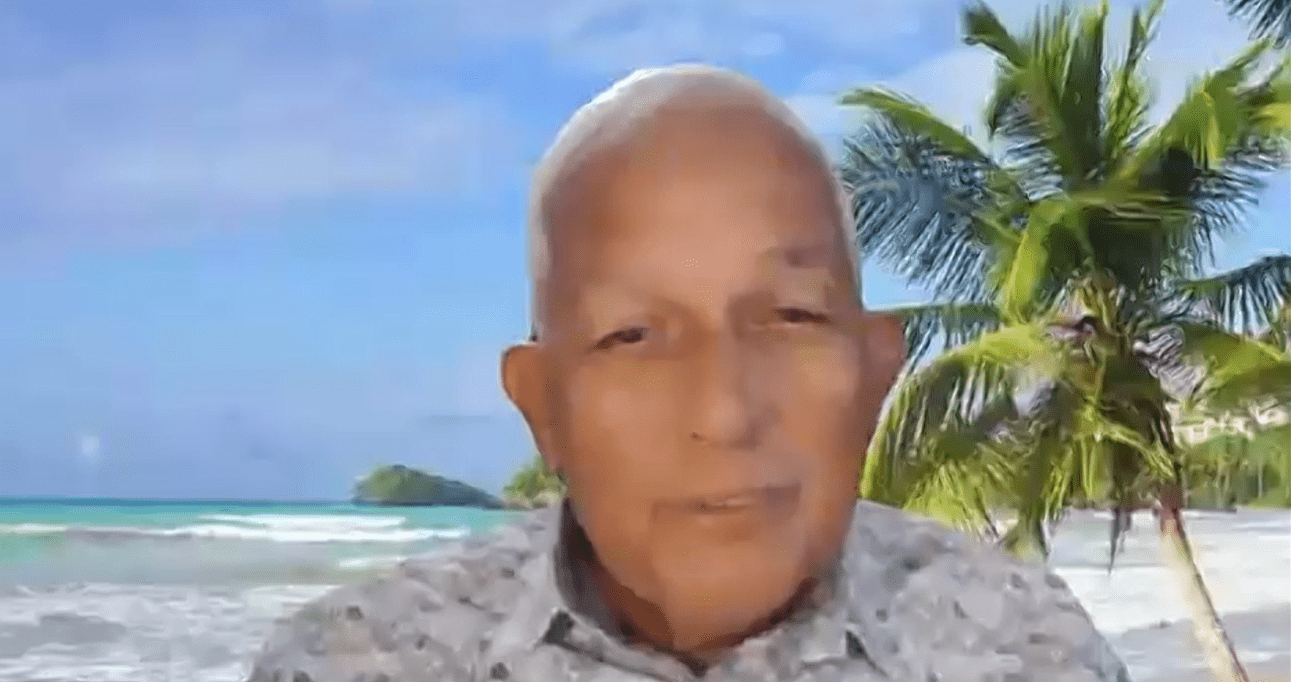
The discussion about the military presence and strategic investments in Guam, the Northern Marianas, and other Pacific islands further revealed that local populations often feel excluded from decision-making processes.
“And at the end of this expenditure today, there’s 150 Marines there [in Guam]. So now we have a big vacant Camp Blaz. The Marines don’t want to come to Guam. And I’ve been saying that for decades. The Marines don’t think that they should be in Guam. They want to be close to where the action is,” said Guam panelist Robert Underwood.
Topics on nationalism versus citizenship, racism, and indigenous identities were also discussed. In relation, Greenland’s relationship with Denmark was discussed among the panelists. According to the panel, residents of Greenland are able to participate in political decision-making and receive certain benefits from the Danish government.
“Denmark provides about $10,000 per resident in support for the local government, while residents of Greenland do not pay any taxes with respect to Denmark. So it’s a very different relationship than the one that the U.S. territories have with the United States,” said Neil Weare, the moderator.
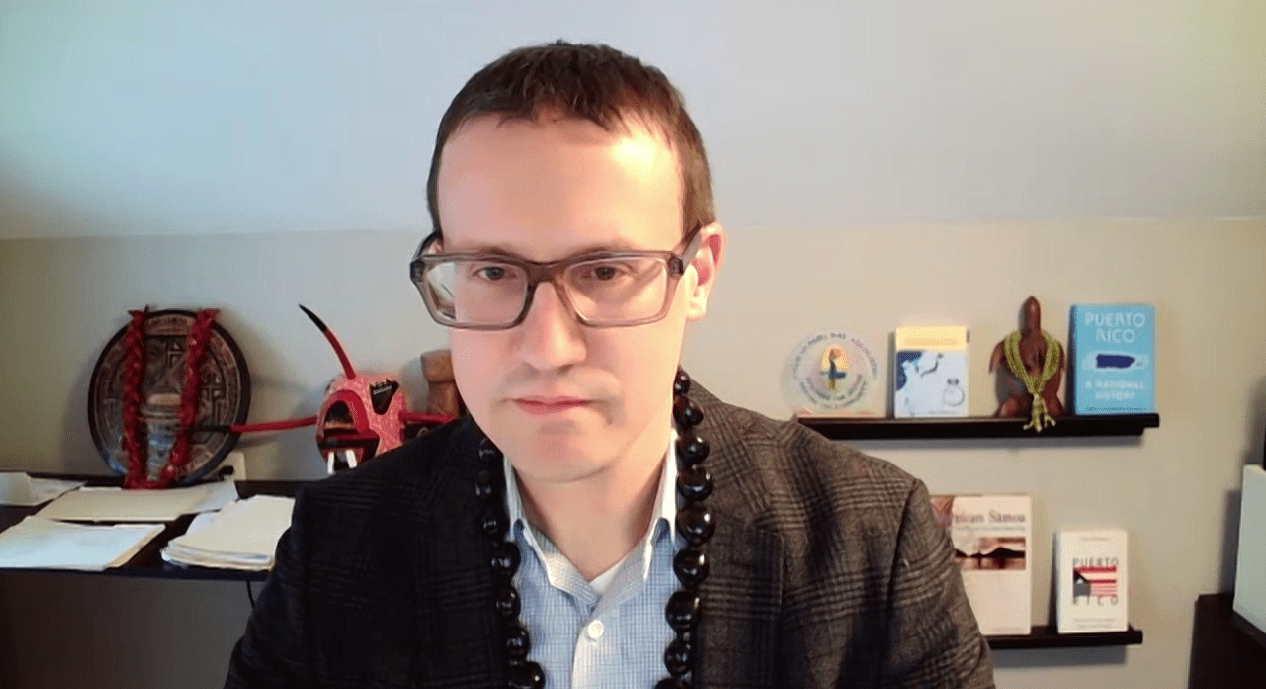
Sewer later noted, however, that the reality is that Denmark is still a colonial power.
“I actually think this is also really important for Greenland because in many ways, Denmark shares a political imagination of not technically imagining itself to be a colonial power,” she said.
“Also just kind of like putting on my historian hat here for a little bit is that all three territories, I don’t know to some extent, I’m not sure about Puerto Rico and the Virgin Islands, but all three Pacific territories, a lot of people are suffering a kind of like historical delusion about their relationship with the United States. The deed of session was always told me, oh, that insulates us from so many things and it makes us separate, makes us very unique and different from the other territories,” added Underwood.
Relating to economics, Puerto Rican panelist Eva Prados spoke about the financial challenges relating to the Puerto Rican government being under the United States flag.
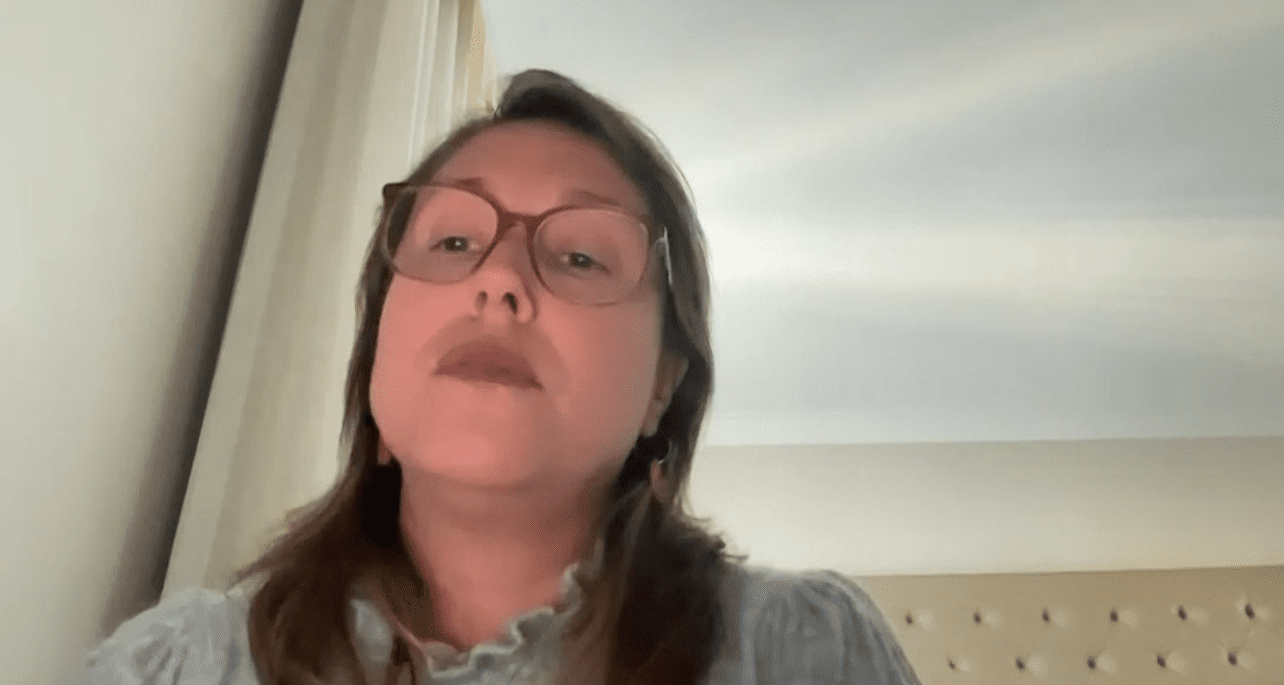
“First of all, we are in an economic distress situation, but it’s not only because we have a bad administration elected official. I think that we have a really huge problem of economic development that is very related to the difference limitation that we have in our relationship with the United States. We do not control our frontiers. We do not decide about a lot of different aspects of our economy,” said Prados.
Overall, the participants stressed that the recognition of their cultural identities, rights to land and resources, preservation of their environments and economies fail with the federal control of the U.S. government. Panelists expressed the desire to be liberated from colonial holds. Their dialogue showed the complex nature of colonial relationships and efforts toward self-determination.