

The Virgin Islands Water and Power Authority Board has approved moving forward with the acquisition of emergency standby generators to strengthen power reliability in the St. Thomas–St. John district, with a particular focus on St. John.
The emergency meeting, held Monday afternoon, comes just days after the authority was called before lawmakers during a legislative hearing, as residents on St. Thomas and St. John continue to grapple with weeks of rolling blackouts that have left homes in the dark, spoiled food in refrigerators, and forced some small businesses to shutter.
Meeting with a quorum of five members and one excused absence, the board unanimously adopted its agenda before hearing an update from Executive Director Karl Knight on the territory’s ongoing emergency generation efforts.
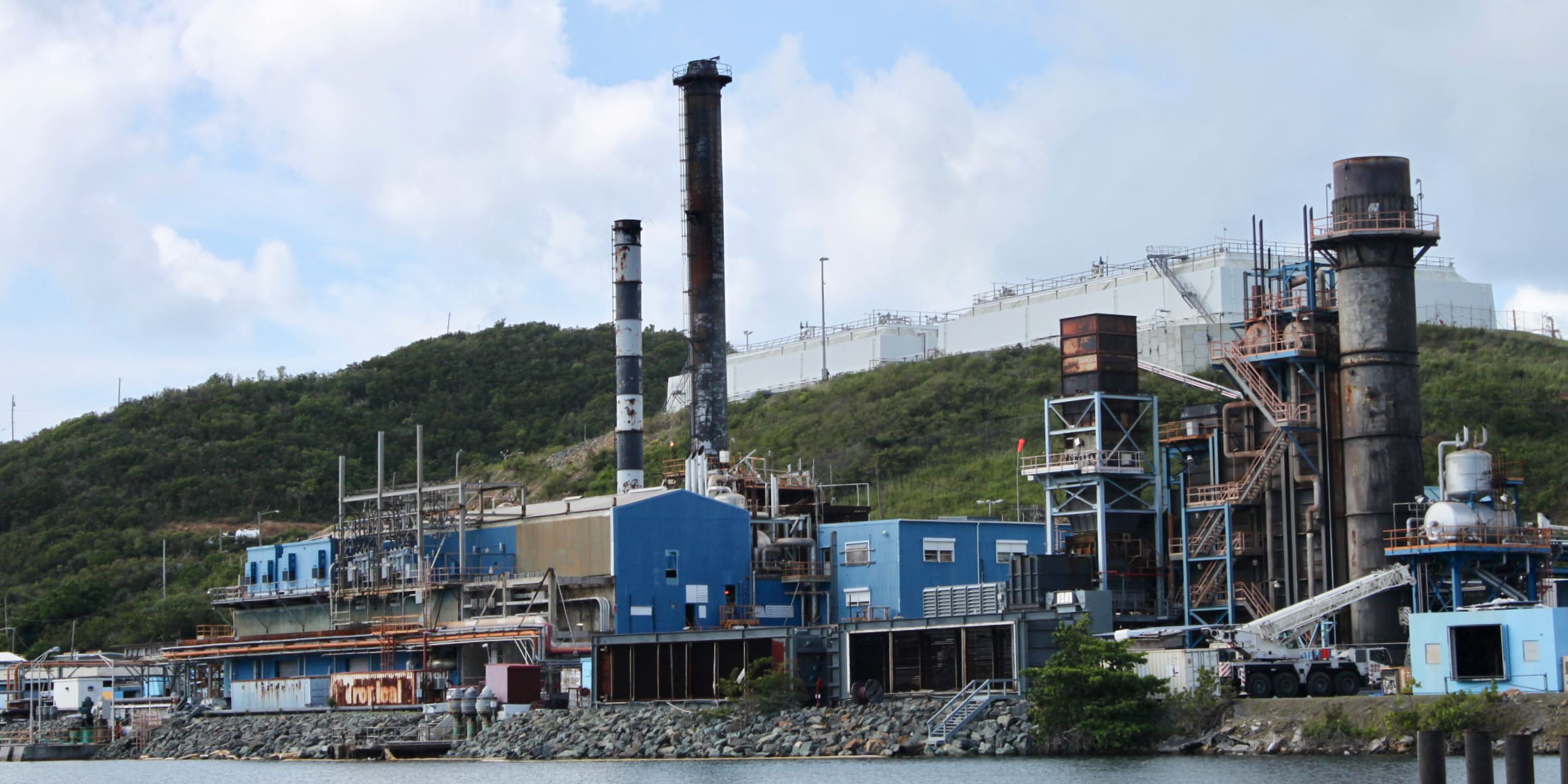
Knight outlined a plan to acquire five generators that are already available and can be deployed without manufacturing delays. The units are expected to be strategically distributed, with two placed in Frank Bay and two in Coral Bay on St. John, and a fifth unit supporting operations at the Randolph Harley Power Plant on St. Thomas.
The initiative is designed to serve two key purposes: to supplement capacity at the Harley plant and to provide localized emergency generation for St. John in the event the island becomes isolated, or the main plant cannot meet demand.
“These are not prime power generators,” Knight explained, noting that the units are intended strictly for emergency use. However, he emphasized that the generators will have black start capability, allowing them to restore power independently if necessary.
The acquisition is being carefully aligned with broader, long-term energy planning for St. John, including a microgrid project that will incorporate a switching station in Coral Bay, battery energy storage systems, and a future solar farm. Engineering for that project is already underway, with Coral Bay approximately 60% complete and Frank Bay about 30% complete.
To accelerate deployment, WAPA is prioritizing generators that match the territory’s existing distribution voltage, avoiding the need for step-up transformers, which currently carry lead times of up to 50 weeks.
“We have a mission of trying to get emergency power onto St. John within the next four to six months,” Knight said.
Funding for the project will draw on disaster recovery and capital improvement resources, while engineering and planning efforts are supported through FEMA-funded initiatives tied to the territory’s long-term grid modernization.
Following the discussion, the board entered executive session to review vendor proposals. Upon returning, members approved moving forward with the generator acquisitions, emphasizing the importance of maintaining the accelerated timeline.
Board members also noted the significance of the decision for residents of St. John, who have faced ongoing concerns about grid reliability.
“This is an important step forward for the people of St. John,” said Board Chair Maurice K. Muia. “We have to hold ourselves accountable to ensuring these generators are in place and ready when they are needed.”
Editor’s Note: For an in-depth look at the history of WAPA’s issues, check out this series published by the Source in 2019.