

Not too long ago, Dr. Bastian Felter Vaucanson, an assistant professor in church history from Denmark, contacted me. In his email message to me he said, “I am a Danish church historian currently visiting the VI with my family in relation to my research project WORKSPACE, which explores the relationship between religion and labour in the 18th and 19th centuries from a spatial perspective. As part of my stay, I am recording sound for a podcast about the spiritual heritage of the islands aimed at a Danish audience. I was also hoping that I might interview you for this project.”
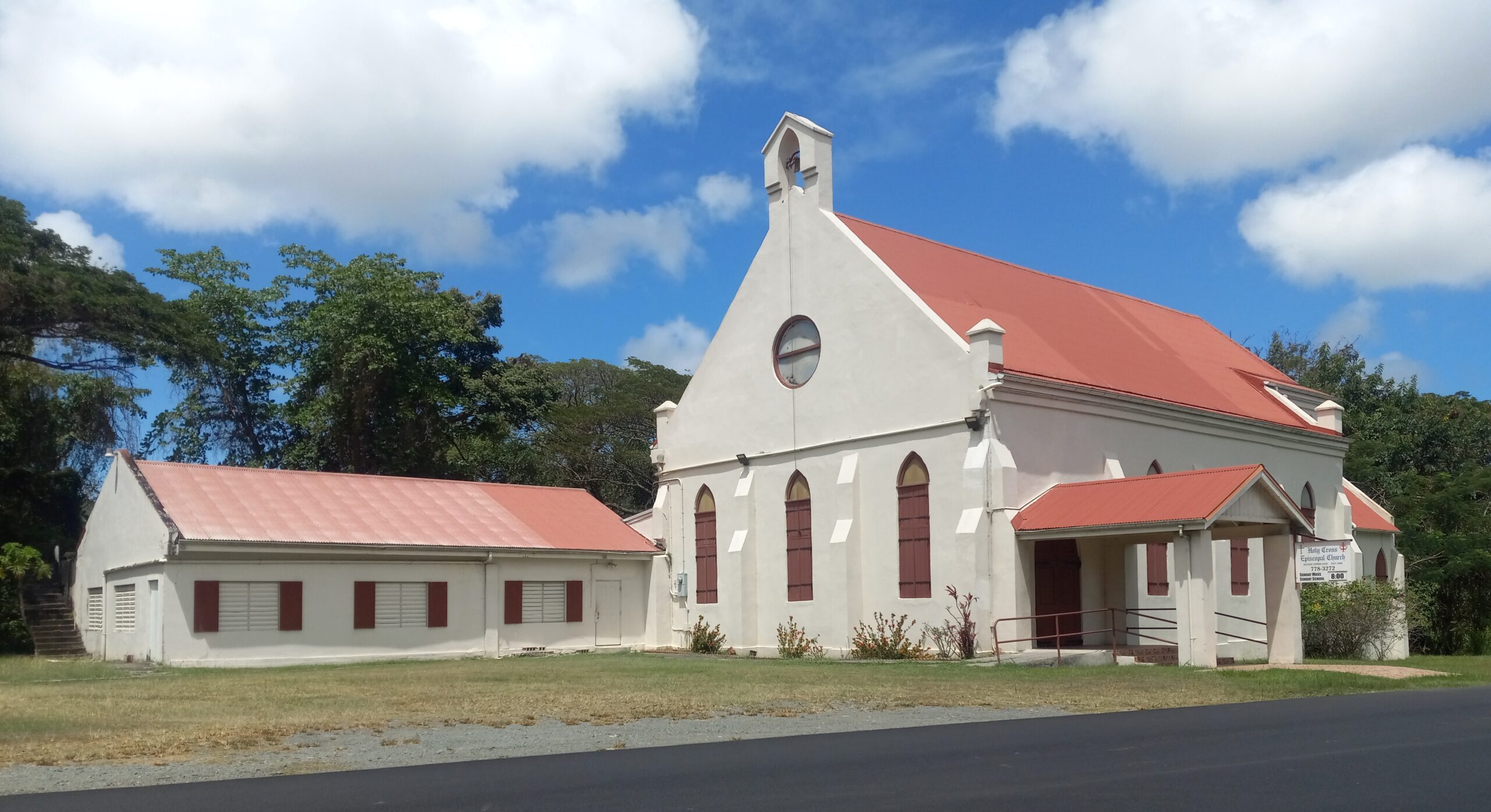
We are still in March, which is Virgin Islands History Month. In my head, I tried to formulate thoughts of how I would write this article on Virgin Islands colonial church history. I could write several articles on the history of churches of the former Danish West Indies to modern church history. Believe me, the church is a heavy topic to discuss, with theological deep roots and history in the slave plantation system of the former Danish West Indies. Please don’t get me wrong! The church is not an evil institution of itself. It is man. I grew up attending church in these islands.
Also, there is a saying when I was growing up as a child that religion and politics don’t mix. The United States Constitution establishes a secular government system with no official religion. The First Amendment established a clause that says, “Congress shall make no law respecting an establishment of religion.” This clause protects our right to practice our faith.
In the slavery plantation system of the Danish West Indies, there was no such system as religion and politics separate. A slave was property owned by his master. That enslaved laborers had no choice about what church they could attend, or not attend, or even practice their own faith. In the 17th, 18th, and 19th centuries, colonial churches were established in the Danish West Indies. The Lutheran Church was the state church of Denmark.
However, the Danish system of slavery in the colonies of the West Indies allowed different nationalities such as Dutch, French, and English in whatever denomination (churches) they chose to worship. The colonial churches of the Danish West Indies were a major part of the economic benefit of the enslaved laborers. The Moravian Church particularly made huge profits derived from sugar production themselves for years by becoming slave owners and planters.
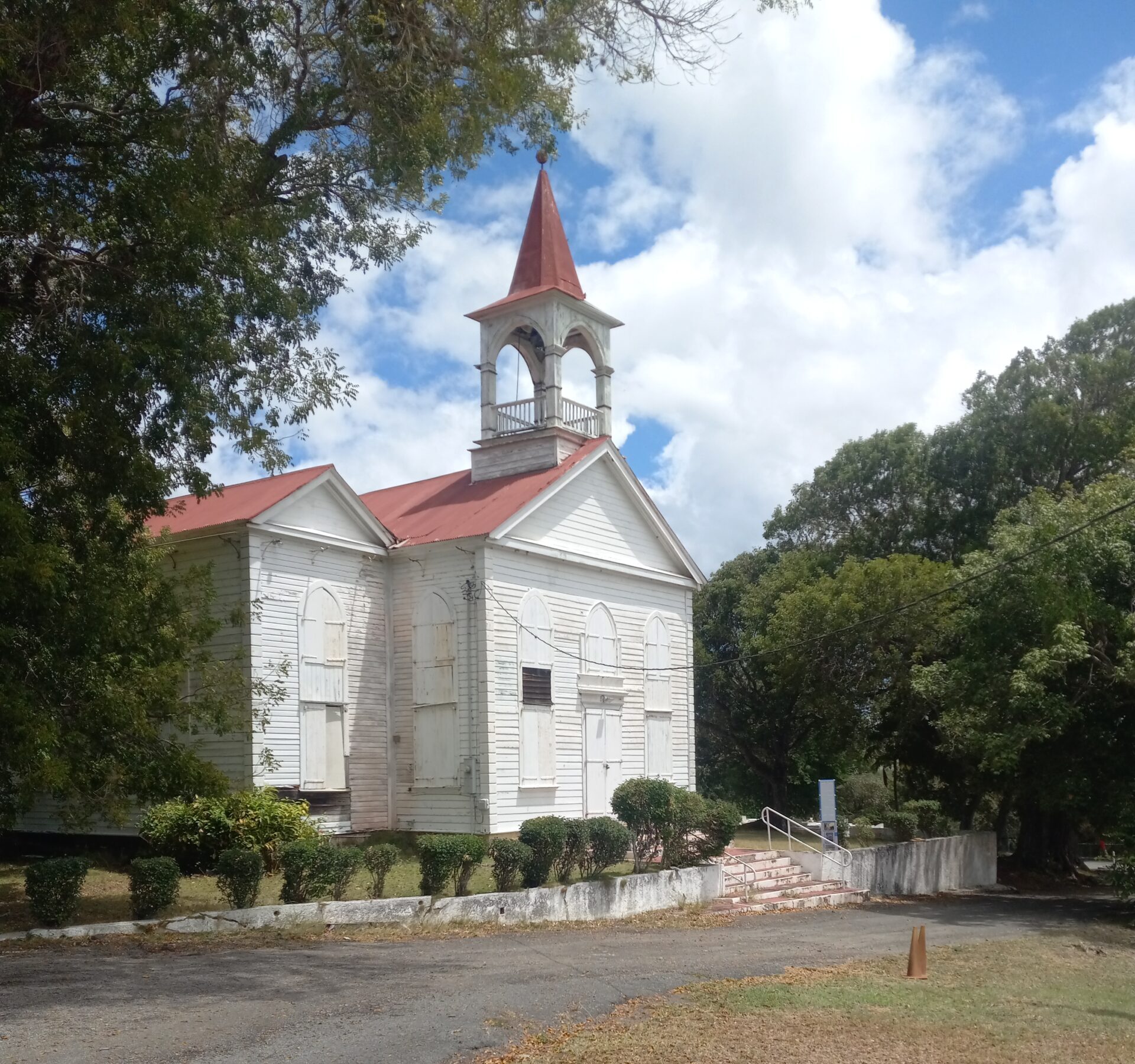
The Moravian Brethren supported the status quo by their teaching that the enslaved population should accept the conditions in which they were placed by God. They often used quotations from the Bible to explain and justify slavery. Such favorites were 1 Peter 2:18-20 as they took the scriptures out of context and misinterpreted the Bible to justify their evil ways of treating other humans as nothing.
In 1848, Communist Karl Marx in his writing alluded to religion as false consciousness. In other words, religion could be used as a tool by the ruling class to keep the working class in subjection. “Religion is the sign of the oppressed creature, the sentiment of a heartless world, and the soul of soulless conditions. It is the opium of the people,” he wrote. His philosophy was borne out in the colonial churches of the Danish West Indies.
In fact, man has misused Christendom for thousands of years to dominate the working-class people. It was for this reason in the 14th century that Martin Luther (1483-1546), a priest and theology professor, ignited the Protestant Reformation in 1517 by challenging the Catholic Church’s doctrines, specifically the sale of indulgences.
This also known as the “Dark Ages” in human history where millions of Christians were persecuted by the church for their faith. Denmark names their state church Lutheran after Martin Luther, the great Christian reformer of Christendom. Dr. Martin Luther King Jr., whose birthday we celebrated recently, was named Michael at birth but his father changed his name to Martin Luther. Nevertheless, slaves in the Danish West Indies were totally at the mercy of their masters.
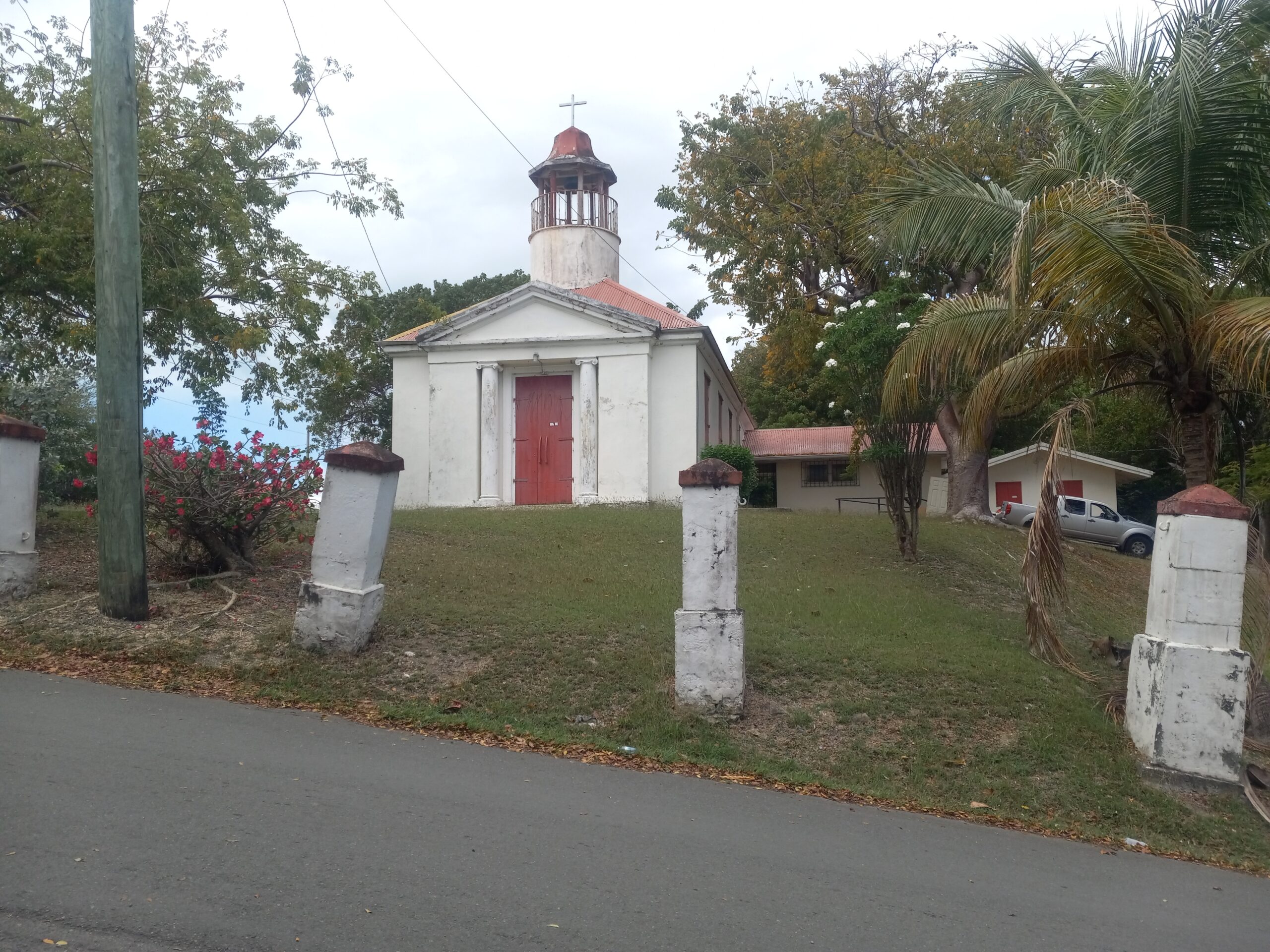
Dr. Vaucanson asked me in his podcast about slaves’ spirituality in the church. Before I answer that question, I will say that contrary to the myth with the kidnapping of Africans from Africa who were enslaved in the Danish West Indies, brought with them a long-standing history of religious beliefs and practices. Moravian missionary Christian Oldendorp gave us some insight when he visited the Danish colonies in the mid-1700s.
“All Negro nations believe in the existence of an almighty and benevolent deity. He is the creator of the world and mankind. He has power over everything,” Oldendorp wrote. He mentioned how Africans practiced Judaism. “There are black Jews in Loango, who observe the Sabbath so strictly that they do not utter one word on that day…” wrote Oldendorp. He also mentioned that the Sokko tribe in the Danish West Indies identified themselves as followers of Mohammedan.
Nevertheless, with the colonial churches of the Danish islands in the West Indies, the enslaved Africans created a spiritual atmosphere of worship service in the churches, especially when through dancing, singing, making music of drums and other instruments, shouting, and just praising the Almighty. The Bamboula dancing and music of drums was once part of church service worship. Over the years, some colonial churches in the Danish islands have become a kallaloo. In other words, a mix of African traditions and spirituality in church services.
According to some historians, Christianity started around the eastern Mediterranean region and the Red Sea, moving into Northern Africa and the Arabian Peninsula by the first century before it spread into Europe. During this period in human history, you could travel from Africa on foot to the Mediterranean region. It was one land mass. Thus, Christianity was not brought to Africa by European colonization. African Christianity thrived for centuries before the continent was colonized. Therefore, it was not surprising when some Africans tribes in the West Indies as slaves practiced their belief by serving one God.
“You must remain faithful to your masters and mistresses, your overseers and your bombas, and you must perform your work with as much love and diligence as if you were working for yourself,” wrote a Moravian Brethren. This was not the Christian faith of Africans before they became enslaved in the Danish islands. The enslaved laborers survived slavery in the Danish West Indies because of their strong spirituality and the connection to their faith as Africans.
Happy Virgin Islands History Month!
— Olasee Davis is a bush professor who lectures and writes about the culture, history, ecology and environment of the Virgin Islands when he is not leading hiking tours of the wild places and spaces of St. Croix and beyond.
Editor’s Note: Opinion articles do not represent the views of the Virgin Islands Source newsroom and are the sole expressed opinion of the writer. Submissions can be made to visource@gmail.com.