

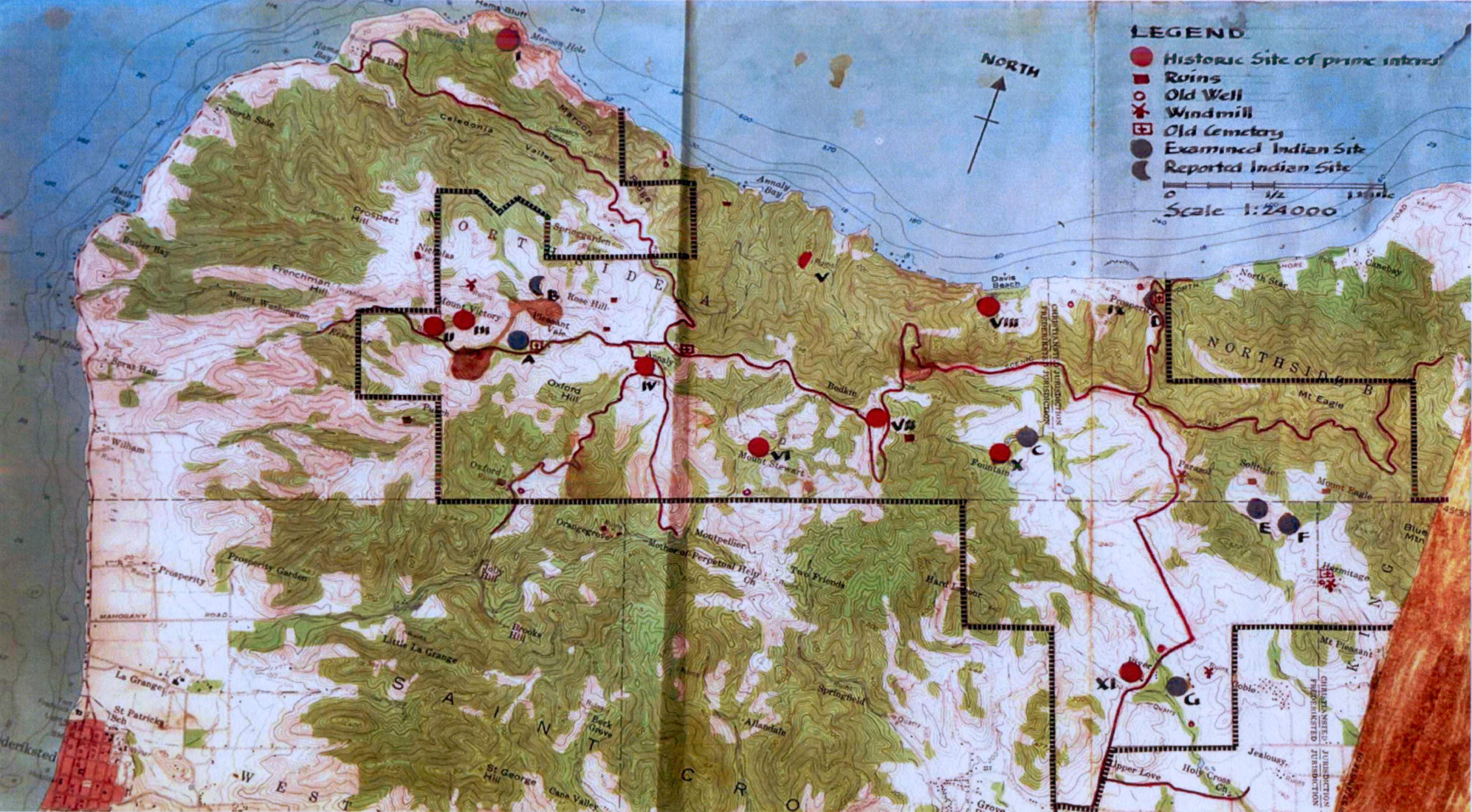
This is the fourth and final article in my series on the northeast central region of St. Croix — Maroon Country, where runaway slaves used the forests, deep valleys and cliffs as a refuge to protect themselves from the Danish soldiers and planters of the surrounding plantation villages. Mount Eagle, the highest point on St. Croix, continued to be a periodic refuge or shelter for runaway slaves until slavery ended in 1848.
In these remote rugged terrain regions of St. Croix’s northeast central woodland forest areas, runaway slaves used militant skills and the knowledge of their surrounding environment to fight off Danish soldiers and others from being captured. For example, in 1822 there was a report from the Danish government of a Maroon camp on Mount Eagle. Government troops were sent out, but no Maroons were caught. On Feb. 3, 1816, a police report in Christiansted noted two plots where runaway slaves tried to flee from St. Croix to Puerto Rico.
One plot involved eight runaway slaves from Estate Diamond and Queen Quarter. According to the report, some runaways were captured and others were believed to have escaped to Puerto Rico or St. Domingo by boat, from Limetree Bay. The second plot involved enslaved men and women on Estate Cane Bay and La Vallee, which is next to Estate North Star and Mount Eagle. The runaway slaves were never captured.
Nevertheless, at the close of the 1800s, the island of St. Croix reached its peak of sugar production with more than 30,000 acres under cultivation. This was profitable due to the high supply of enslaved African labor and the declaration of the slave trade in 1792. The Danish Crown abolished the transatlantic slave trade in 1803. However, the selling of slaves continued although it was illegal to do so. As the sugar industry begin to decline on St. Croix in the 19th century, the surrounding mountainous areas of the northwest, northeast central, and even as far as the rugged hills on the East End of St. Croix, became more attractive to runaway slaves. Such estates as Hermitage, River, Parasol, and Solitude, now part of the Territorial Park System of the Virgin Islands, Mount Eagle, Blue Mountain, and the northwest side of Maroon Country were havens still for runaway slaves. There were periodic expeditions sent to capture and disperse Maroons hiding in the northwest and other parts of St. Croix. However, flights of slaves to Puerto Rico continued.
Runaway notices in the Royal Danish American Gazette became common, specifying flight to the north side of St. Croix. Frequent expeditions by the Danish government were sent to capture and disperse Maroons living in the northwest and northeast central highlands of St. Croix. As with Mount Eagle in 1822 with Maroon camps being reported, there were disturbances on Estate Spring Garden near Maroon Ridge. According to historic records, most of the slaves ran into the Maroon Ridge area. Troops were sent, but not all runaways were caught.
Although the island of Puerto Rico became a haven for runaway slaves from the Danish West Indies, the dense tropical forests and rugged terrain of the northwest and northeast central highland of St. Croix were looked upon as refuges. The Maroons on St. Croix, like others throughout the Caribbean region, had to constantly be on the move. The Danish government continued to send hunters and militiamen after runaway slaves. There were rewards for revealing runaway slaves’ whereabouts.
In 1733 the Danish 19 Slave Codes, or laws, issued by Gov. Philip Gardelin of the Danish West Indies, mentioned there would be awards for those who “rat” on their fellow slaves. “The person who informs on a plot by Negroes shall get 10 piasters for every Negro found guilty, and his name shall remain secret,” noted the Danish code.
According to some historic documents, from the 1760s onward some 1,000 slaves ran away each year to Puerto Rico or other Caribbean islands and on any given day less than 100 of these Maroons were living in the rugged terrain of St. Croix. The Danish records are filled with documents where Maroons gone “maritime marronage.” This term was coined by the late historian Neville Hall to describe Maroons’ flight by sea. In other words, Maroons escaped to nearby islands like Puerto Rico, Vieques, and in the 1820s to the British Virgin Islands.
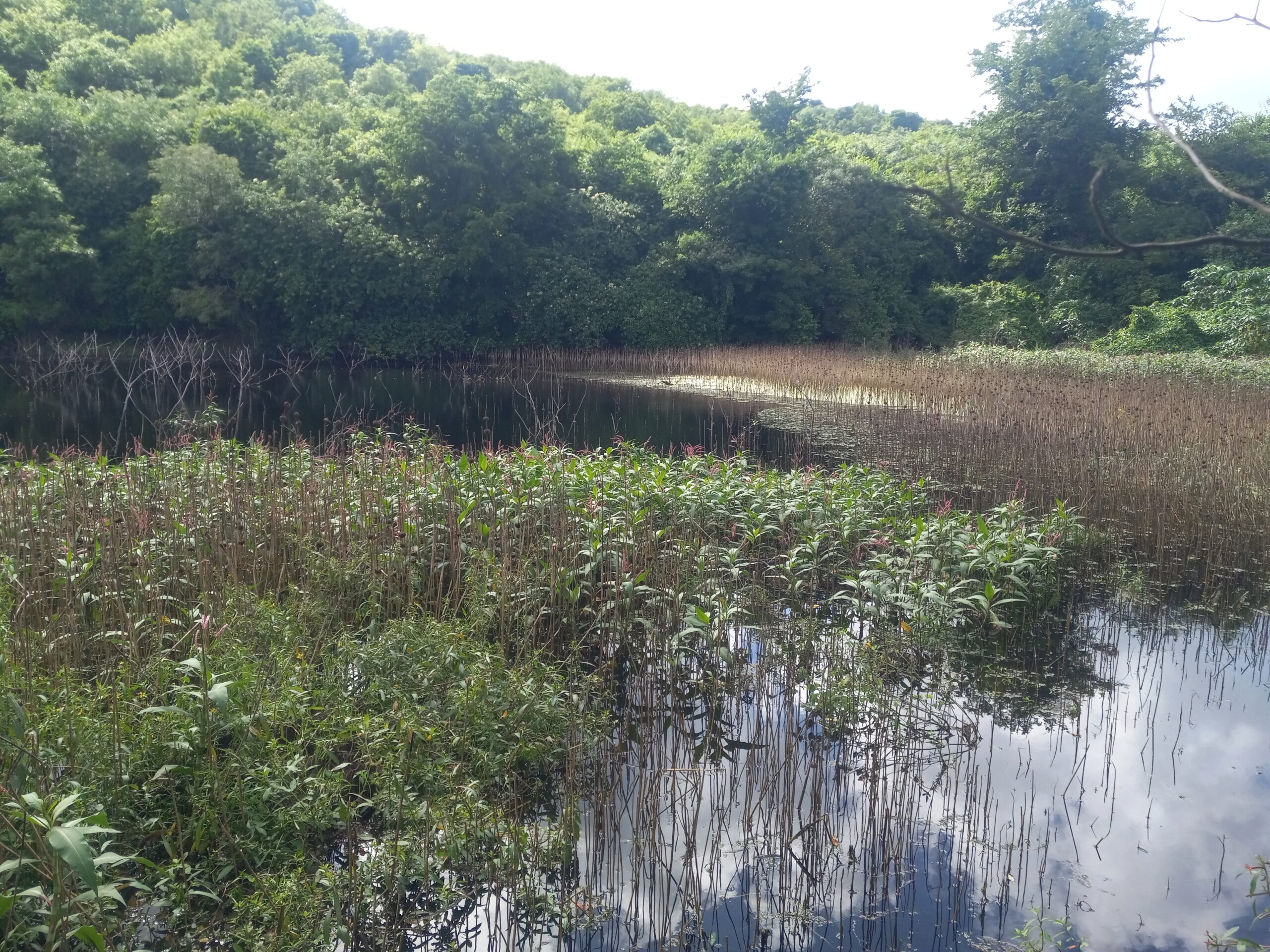
There are other terms describing Maroons like “grand marronage,” and “petit marronage.” All these terms refer to runaway slaves, whether it was temporal, establishing a Maroon community in remote areas, or in maritime environments escaping by sea. The term “Maroon” itself is derived from the Spanish word “cimarron,” which originally described cattle that had escaped and were living in the hills or mountains. There are also other descriptions of Maroon like “wild ape,” etc.
Seth Smith, who was a planter in 1801 on St. Croix, mentioned in his letter to the Danish government about his slaves running away. In 1801, six runaways belonging to Smith from a West End plantation escaped to Puerto Rico on a ship. The letter continues and says, “They were still absent in 1803.” This is what is termed as a “maritime Maroon.” The Maroons in the hills and mountainous areas of St. Croix lived in small temporal communities, or permanent escape known as “grand marronage.”
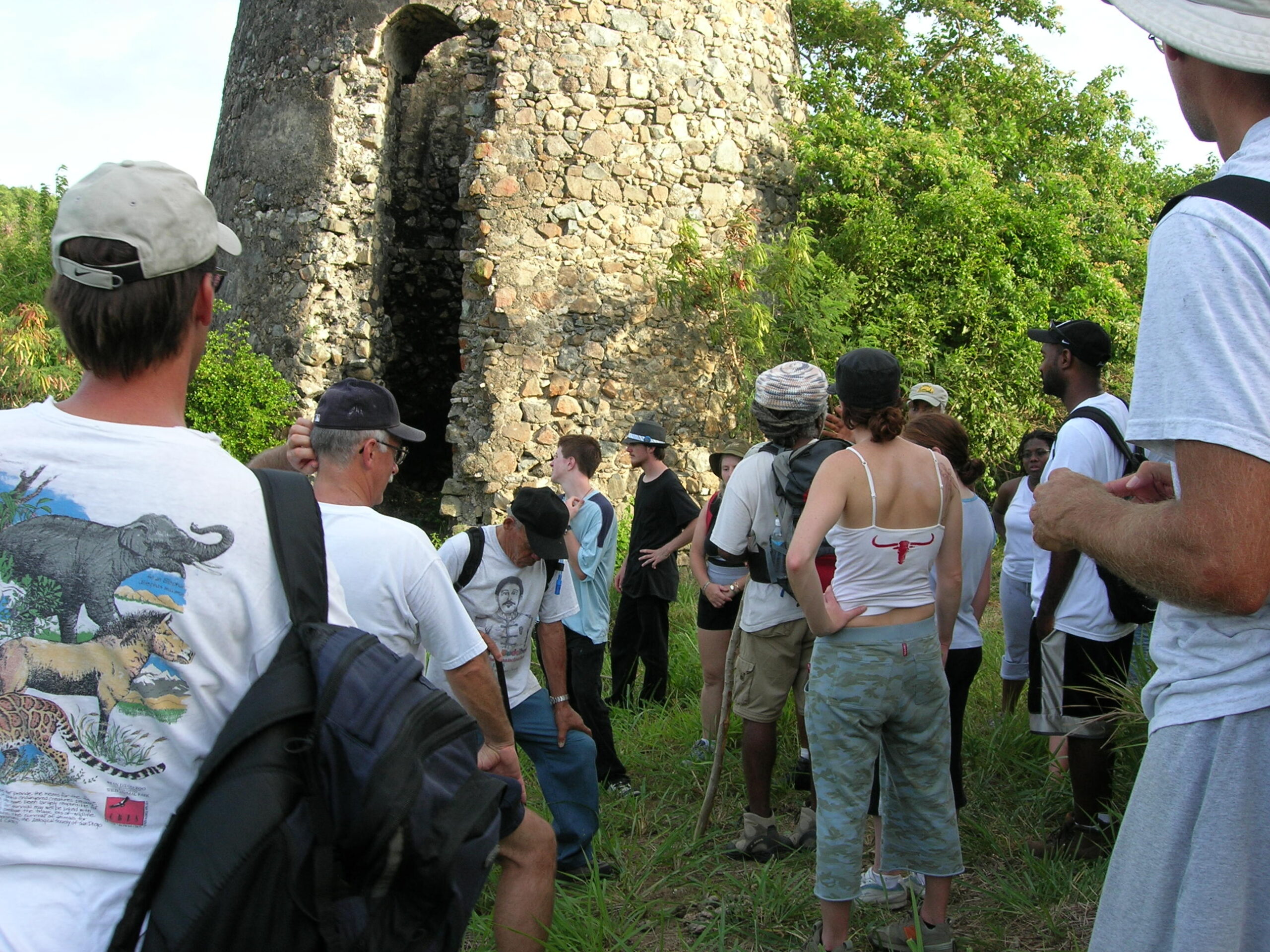
It is for this reason our newly established territorial park is known as Maroon Sanctuary. Estate Hermitage, River, Solitude, Parasol, and Mount Eagle, which are now part of the territorial park system of some 1,200 or 1,300 acres, are part of what I call northeast central Maroon country. Its geological formation is of the same northwest connecting Maroon Ridge to the central mountainous region of St. Croix. Secondly, historical documents pinpoint Maroons’ activities in the region until the Emancipation of 1848. And furthermore, the high peaks of St. Croix are in the central mountainous region of the island.
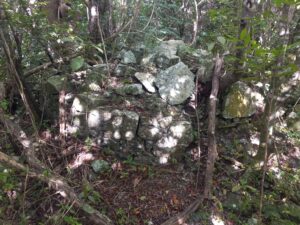
Estate Hermitage has a small complex of sugar plantation ruins consisting of a windmill, two well towers, a poorly preserved factory, a slave cemetery, and other historical remains. Estate River is a sugar plantation remains, consisting of windmill, fan mill, villages, ruins of a great house, factory, and other plantation structures. Estate Parasol sugar plantation remains comprise a windmill, ruins of factory, village houses, stock pen, and several other historic structures.
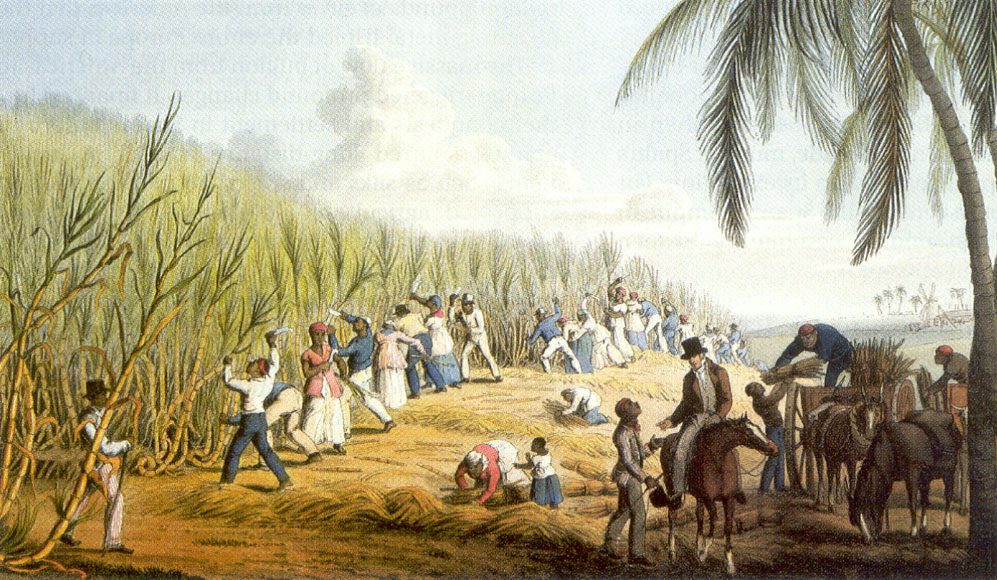
Mount Eagle has a historic well. It is the highest well on St. Croix along with an old slave Danish Road leading you to the summit. As stewards of this newly established territorial park, we are responsible for the historic structures left behind by our ancestors and the protection of the forests and wildlife therein. I will leave my audience with the following slave song in Dutch Creole lyrics that were written down and translated by a Crucian plantation manager while fearful of the implications (Schmidt 1788). Enslaved Africans on St. Croix would sing this song when they were toiling in the cane fields under the hot Crucian sun.
“Da lob my lo lob-Samja!
Noy kan hau di uit mer
Di Blanco no frey e-Samja
I must run away.
I can not stand it any more.
The whites are not good …”
Read Part 1 here: Op-Ed: Exploring the V.I.’s Maroon Country
Read Part 2 here: Op-Ed: Exploring the V.I.’s Maroon Country, Part 2
Read Part 3 here: Op-Ed: Exploring the V.I.’s Maroon Country, Part 3
— Olasee Davis is a bush professor who lectures and writes about the culture, history, ecology and environment of the Virgin Islands when he is not leading hiking tours of the wild places and spaces of St. Croix and beyond.