

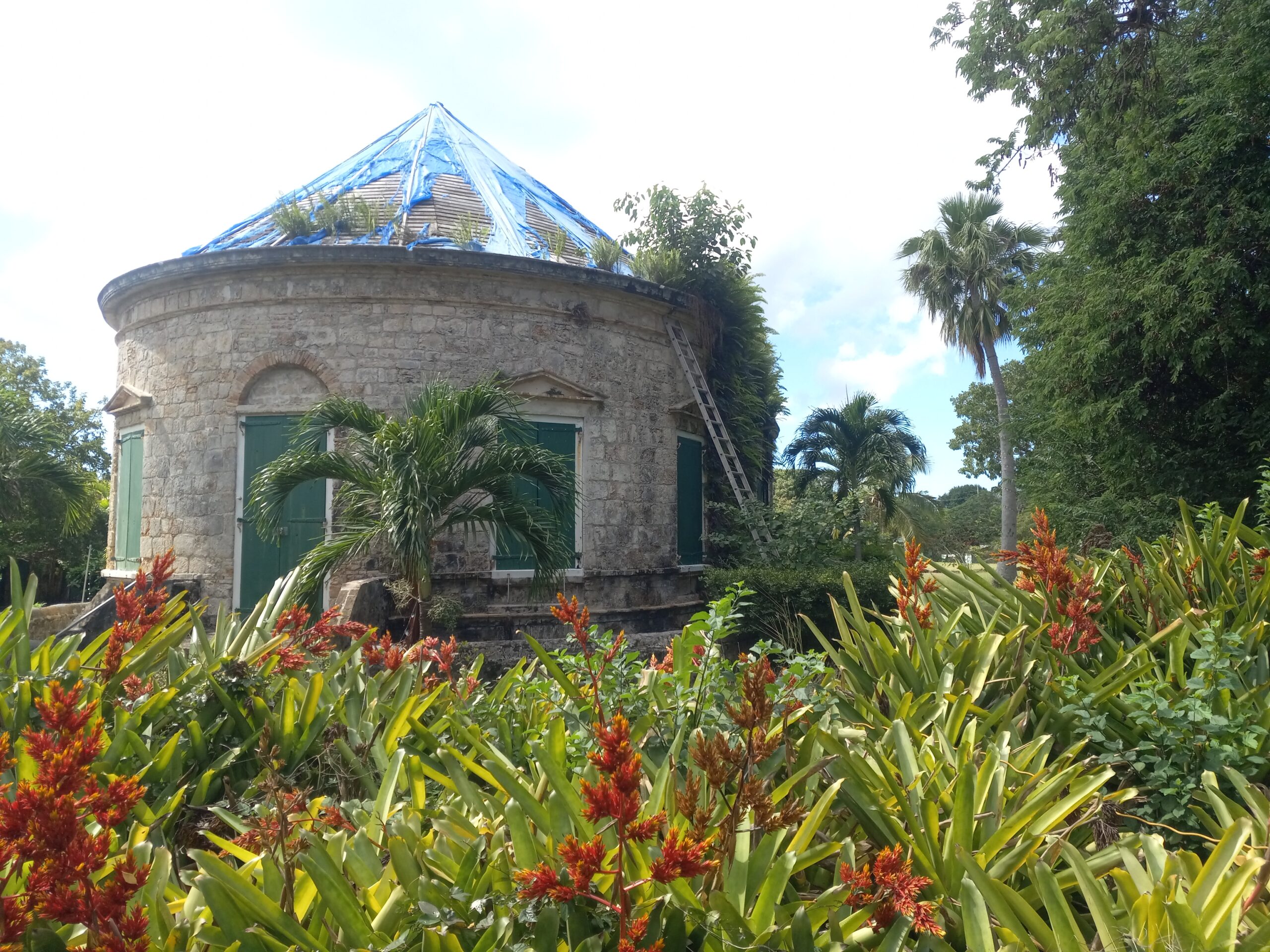
Whim Museum has been on my mind for some time now, especially the historic structures and ruins of the estate. September of 2026 will be nine years if nothing has been done to restore the great house and other historic structures of the 12-acre property that is owned by the government of the Virgin Islands on behalf of the people of these islands. What gets me is that we say we are a tourist destination, yet our historical landscapes, especially our towns, are deteriorating rapidly.

On St. Croix, there are so many historic sites throughout the island breaking into pieces like an old shoe, figuratively speaking. In other words, crumbling historic buildings once built by enslaved Africans and “free slaves“ are now becoming an eyesore. The great house of Whim Estate, particularly, has become no longer a shining example of an architectural wonder built by some of the best builders during the era of the Danish West Indies. It is now being taken over by the elements of nature, where plants and other living organisms like fungi are destroying the structure.
What is so ironic about historic sites on St. Croix is that a study was conducted donkey years ago by the government of the Virgin Islands and the St. Croix Landmark Society to develop St. Croix as a heritage attraction tourism destination. In 1996, the St. Croix Landmark Society prepared a historic attractions feasibility study for the Department of Tourism and Bureau of Economic Research. Dr. George F. Tyson and Maria Eugenia Bacci were the authors of the study. It was made possible by a grant from the U.S. Department of Commerce, EDA (Economic Development Administration).
It is an in-depth analysis of how St. Croix, with its vast natural and cultural resources, can become a unique brand for heritage attraction tourism in the Caribbean region and the world. “Intensifying regional competition for heritage tourists is a second concern for Virgin Islanders involved in tourism. In response to rising demand by specialty and cruise ship tourists for a different experience than the conventional sun, sea and sand, other Caribbean islands are busily developing their heritage resources,” note the authors of the document, “St. Croix Historic Attraction.”
Nevertheless, according to the study, the Virgin Islands government has done very little to preserve and promote the development of heritage attractions, establish heritage sites, establish ecological and historical parks, and rescue deteriorating historic towns to capture the heritage tourism market. Believe me, our Caribbean neighbors are far ahead of us when it comes to heritage tourism. I can tell you because I have visited other Caribbean islands for decades, experiencing their natural, historical, and cultural resources.
Whim Museum is a good example of negligence by our government, which is ultimately responsible for the estate — not some organization that dropped the ball when it came to upkeeping the people of the Virgin Islands’ historic site. My God, it is going on nine years since Hurricane Maria devasted the island of St. Croix. And as a community, we have failed Whim Museum by not doing something to restore what was once one of the most popular historic destinations for tourists to visit and locals to learn about the island’s colonial history.
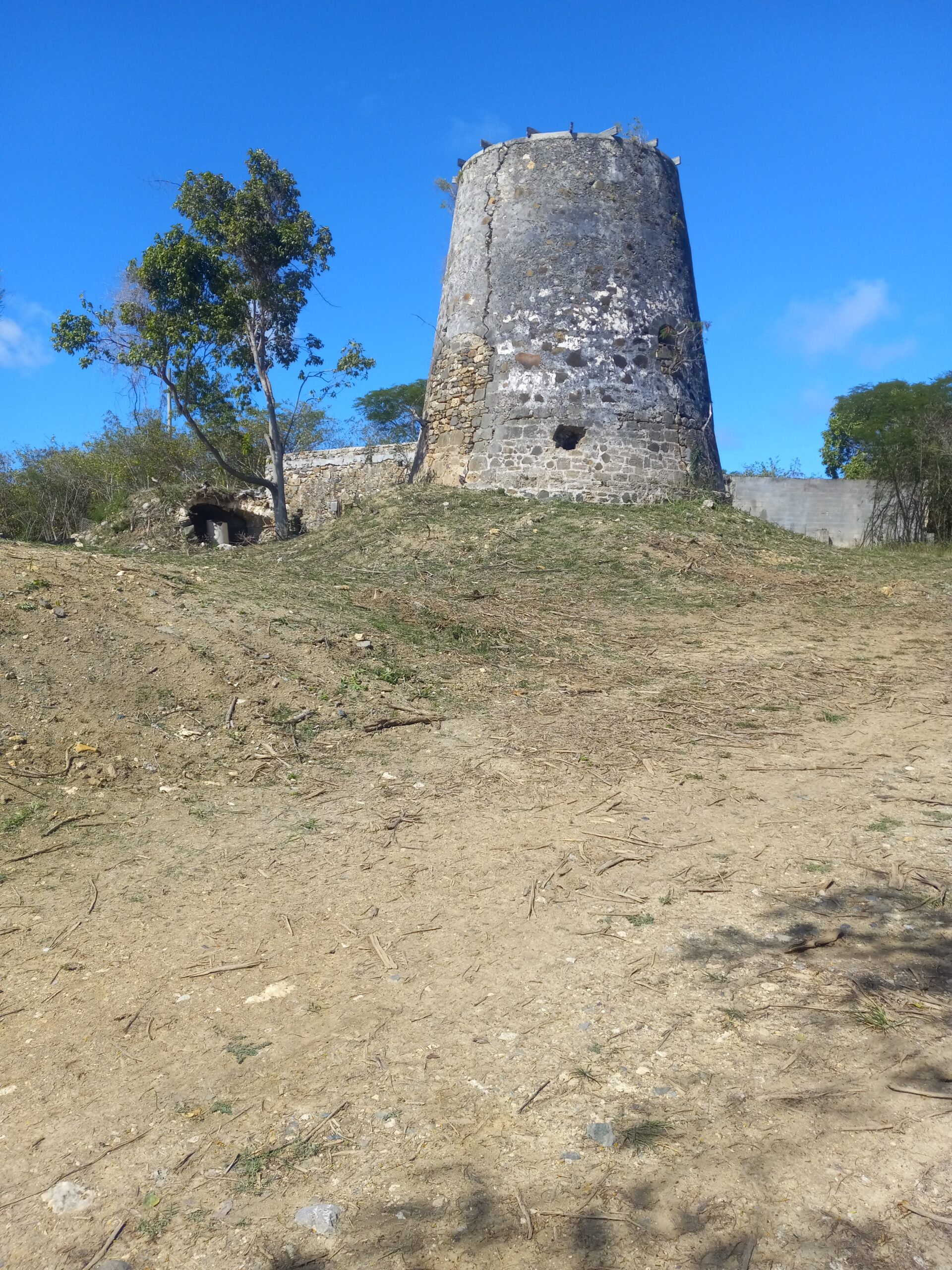
Believe me, talking culture doesn’t mean anything if we are not living it. However, I must give the Virgin Islands government credit for cruise ships that visit St. Croix on a regular basis. That is a good thing for our local economy. Meanwhile, cruise ship passengers as well as local residents have not gotten the opportunity to tour one of the few 18th century great houses left on the island, showcasing a plantation that was once part of the golden era when sugar was king on St. Croix.
The document, “St. Croix Historic Attraction,” gives us a picture of the large number of heritage sites that have disappeared from the landscape of St. Croix from the 1920s to 1996. In the 1920s, there were 62 sugar factories, 94 plantation villages, 105 great houses, 46 steam mill chimneys, 106 windmill towers, 920 historic buildings in Christiansted, and 711 historic buildings in Frederiksted.
In 1996, there were 20 sugar factories, 22 plantation villages, 31 great houses, 21 steam mill chimneys, 92 windmill towers, 303 historic buildings in Christiansted, and 193 historic buildings in Frederiksted. In 2026, I am afraid to find out how many of these historic buildings, historic sites, etc., are standing in good architectural condition. In fact, in the great central plain of St. Croix, there is a landmark from the colonial era probably standing more than 200 feet tall that we drive by every day.
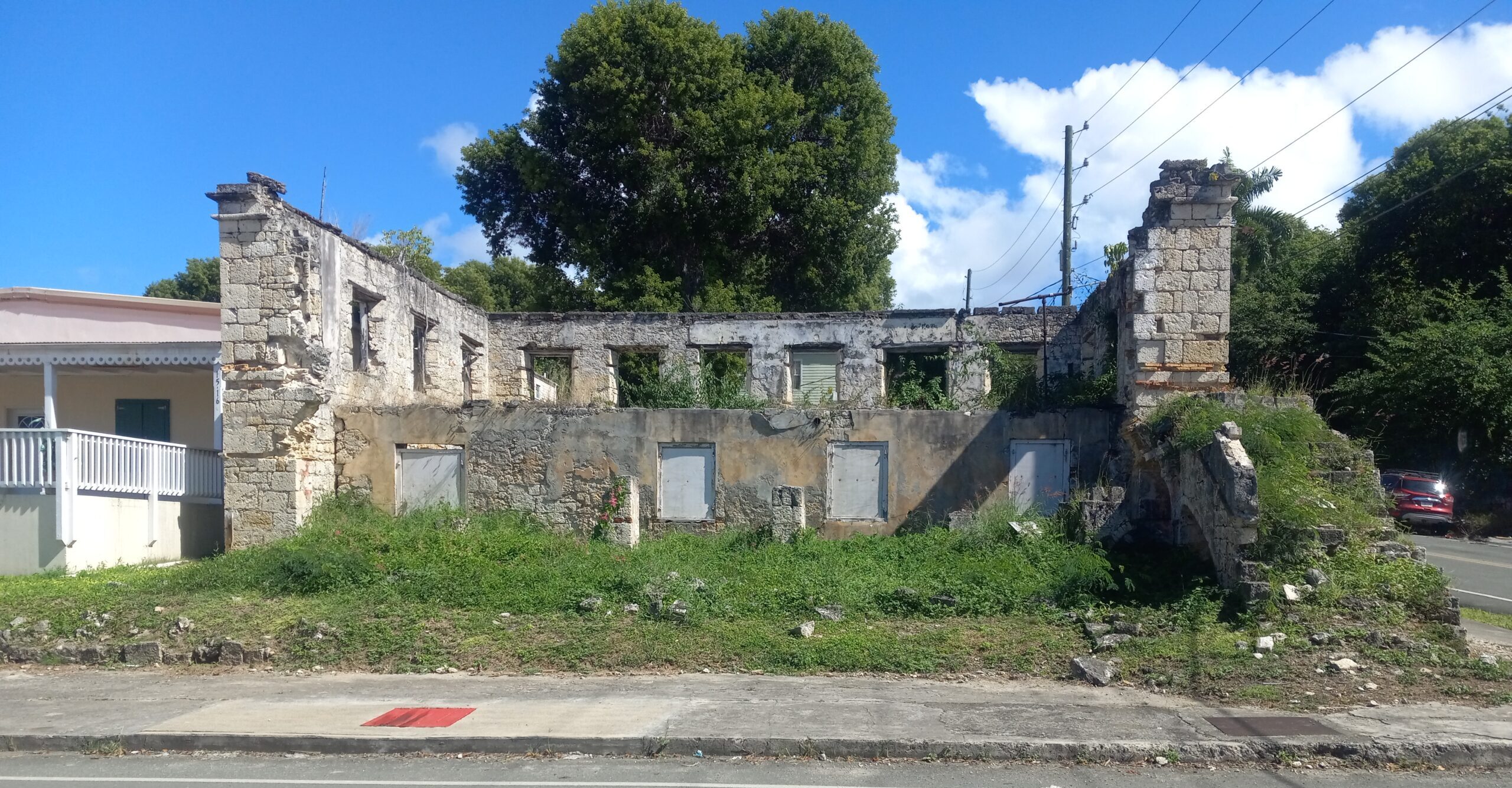
It is Estate Bethlehem’s Sugar Factory chimney. In 1966, the factory phased out of sugar production and was the largest employer of Crucian workers at that time. This landmark of a historic structure belongs to the people of these islands. Today, the chimney is crumbling, and nobody seems to care about restoring it, even though it was built by our ancestors that have gone before us. The operation of Estate Bethlehem Sugar Factory spanned from the 1740s to 1966.
I will leave you with this quotation from the study of historic attractions on St. Croix. “Collectively, the seven managed historic attractions Estate Whim Plantation Museum, St. George’s Village and Botanical Gardens, Cruzan Rum Distillery, Christiansted National Historic Site, Fort Frederik Museum, Karl and Marie Lawaetz Museum at Little La Grange and Estate Mount Washington are servicing increasing numbers of tourists,” noted the authors of the study.
They further stated, “Total paid admissions at these sites nearly doubled between 1994 and 1995 and went up another 10 percent in 1996.”
People of the Virgin Islands, let us restore Whim great house. I rest my case.
— Olasee Davis is a bush professor who lectures and writes about the culture, history, ecology and environment of the Virgin Islands when he is not leading hiking tours of the wild places and spaces of St. Croix and beyond.
Editor’s Note: Opinion articles do not represent the views of the Virgin Islands Source newsroom and are the sole expressed opinion of the writer. Submissions can be made to visource@gmail.com.