

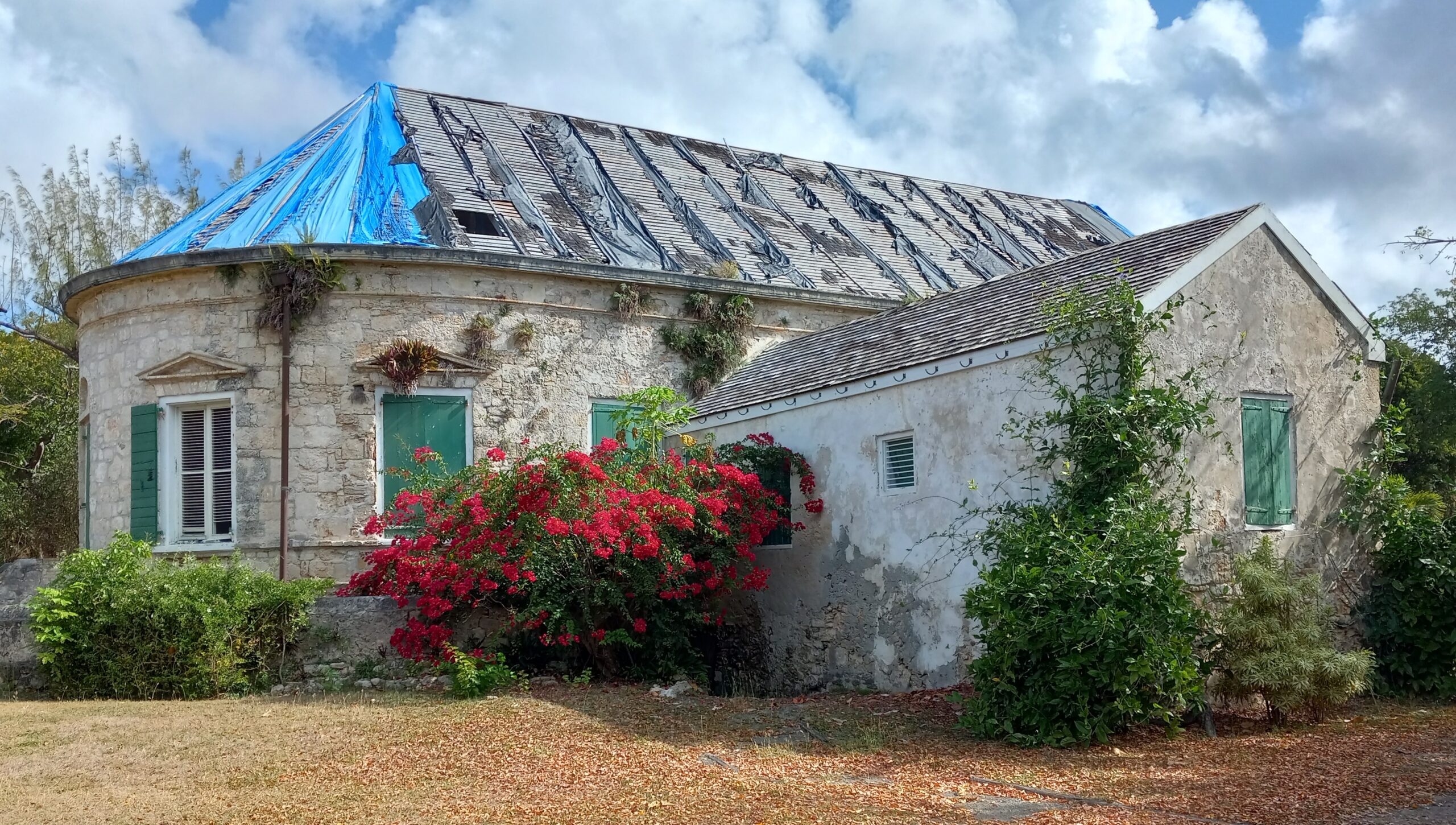
I really admire Dr. Michael Connors’ activism and others with him to save the Estate Whim Museum on St. Croix. He is like an island unto himself, reaching out to the community by radio, newspapers, etc., and the world to help save the historic buildings, particularly the great house, before it becomes dust like the earth. In 2017, Hurricane Maria did extensive damage to the great house in particular and other historical structures on the museum’s homestead property.
The history of the estate spans more than two centuries. However, I wouldn’t start from there, but rather when the government of the Virgin Islands became the owner. It was the federal government that encouraged the territorial government to use historic sites such as Estate Whim on St. Croix as tourist attractions and products to help boost the economy of the islands. I am talking about in the 1930s when the first civilian governor of the Virgin Islands was appointed by the president of the United States.
Dr. Paul M. Pearson, a farm boy from the state of Illinois, was the first civilian appointed governor of the Virgin Islands. Believe me, Pearson had his hands full, politically and socially, as governor. The islands were a downtrodden place economically. When the Danish government transferred them to the United States in 1917, Pearson inherited a depressed economy.
Despite political detractors, such as the merchant class who wanted to turn the islands back to Navy rule, Pearson pushed forward with his agenda to improve the economic conditions of the Virgin Islands. Under his Rehabilitation Program, he purchased Estate Whim for $20,000. It was 1,415 acres of land on St. Croix, and he created a homestead program averaging less than six acres per person. In those days, most land in the Virgin Islands was controlled by big corporations or the very rich and most natives found themselves as squatters.
Of the 1,415 acres, 12 acres containing most of the original historical buildings and ruins were leased to the Landmarks Society in 1954 to manage the property for the people of the Virgin Islands in good faith.
I will always say this, and I will say it until I die: The people of the Virgin Islands are not patriots when it comes to the preservation and protection of our natural and cultural resources. It is only a handful of people at heart who tried to make a difference by preserving our natural and cultural heritage. Believe me, Whim Museum is a gem of architectural and cultural resources in the Virgin Islands and the wider Caribbean region. It was enslaved Africans who built the estate buildings and ran the operation of the plantation.
Do we really understand slavery in the Danish West Indies? I mean really understand. If we have understood, Whim Museum would have been restored years ago. I encourage big corporations that get large tax exemptions from our government and other businesses, especially those that are part of the Economic Development Commission (EDC) program, to give to the cause of restoring the Whim great house. By doing that, it benefits all of us and, most importantly, the economy of the Virgin Islands.
The bottom line, people, is that Whim Museum is the people’s museum. At the end of the day, our government is responsible for the property. I am aware that there is an existing board that manages the affairs of the museum. But what often “kill us as a people so to speak” is the political fights among ourselves while nothing is being done for the benefit of our community. To be honest, I have no time for that. Let us restore the great house. Life is too short. According to the 2020 U.S. Census, the population of the U.S. Virgin Islands was 87,146 people, a decrease from 106,405 in 2010. If each of us give a dollar or more, as a people, we can accomplish the restoration of the great house at the Whim Museum.
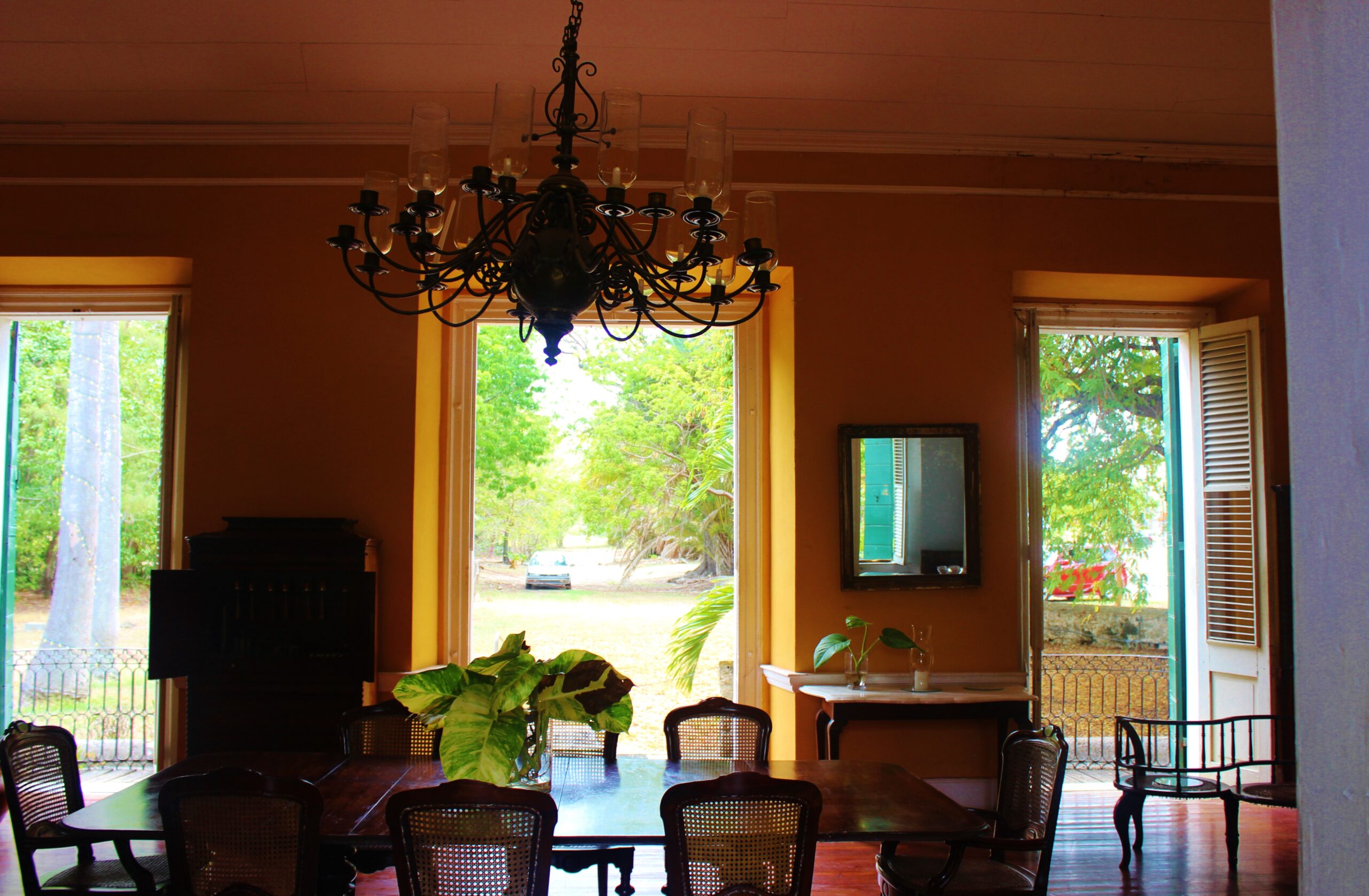
As of right now, the great house is dying. It is a living organism like us. The corals that built the structure of the great house came from the surrounding reefs of the island. It was molasses, lime, and water that constructed the great house. The great house breathes like us through the molasses and lime. The building constricts when warm and expands when cool. It was the sugar cane grown by enslaved laborers and processed into molasses that was used to construct buildings like the Whim great house. Because of the molasses and lime, that is why the great house still stands today.
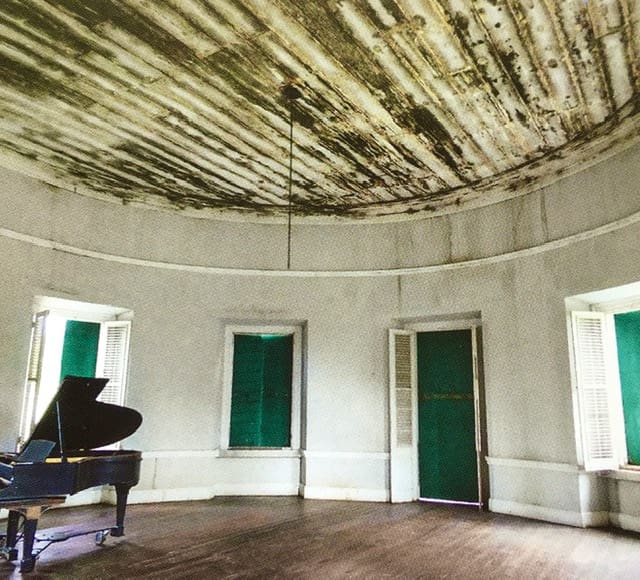
However, the great house won’t be standing for long if we don’t restore the structure. As it stands right now, water is pouring into the building whenever it rains, damaging the interior architectural structure made by enslaved Africans. Hurricane season is upon us — who knows if our beloved great house can withstand another storm? I encourage Dr. Michael Connors and others in the Save Whim Museum advocacy group to continue in every possible way their work to save the great house at Whim Museum.
Hopefully, somebody out there will hear us and rescue the people’s great house at Whim Museum. I will do my part by protesting in writing to the community and the world to save Whim great house. My hope is that somebody will step in to save Whim great house from falling.
— Olasee Davis is a bush professor who lectures and writes about the culture, history, ecology and environment of the Virgin Islands when he is not leading hiking tours of the wild places and spaces of St. Croix and beyond.