

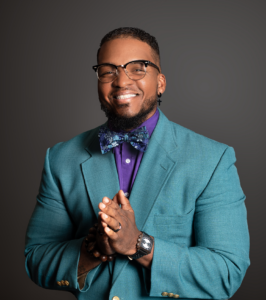
 In his biweekly column, Langley Shazor speaks to issues important to men within the territory.
If you want to know the truth about a man, ask his children. Ask the ones who sit under his silence, his habits, his unspoken expectations, and his emotional availability—or lack of it. We live in a world that often defines fatherhood by provision and protection. Those things matter, no doubt. But there is another layer that gets overlooked: presence. Not just physical presence, but emotional presence. That is where the real work happens. That is where accountability lives.
As I continue sitting with Emotional Intelligence 2.0, I have been reflecting on how self-awareness and self-management show up in fatherhood. And to be honest, I think a lot of us are doing the best we can with what we saw growing up. But let me be clear—just because we did not see emotional maturity modeled does not mean we are off the hook for developing it. We cannot keep handing down the same emotional gaps and calling it culture. At some point, we have to stop and say, “This stops with me.”
The mirror shows up early in the home. It shows up when your child mimics your tone, your expressions, your silence, your sarcasm. It shows up when they flinch at your volume or when they begin to walk on eggshells because they do not know what version of you they are getting that day. And maybe they do not say it out loud, but they feel it. They feel when the energy in the house shifts. They feel when you are distant. They feel when your stress becomes their burden. And they start adjusting—not always in healthy ways, but in ways that help them survive.
This is why emotional intelligence is so critical in fatherhood. Because it is not just about being there—it is about being self-aware while you are there. Being able to say, “I am tired, but I am not going to take that out on you.” Or, “I was wrong for how I handled that. Let’s talk.” That kind of leadership in the home takes courage. It takes honesty. It takes the ability to pause, to admit, to reflect, and to repair.
What I have learned is that you do not need a big moment to shape a child’s emotional world. Sometimes it is a series of small, silent choices—how you respond to their tears, how you react to their mistakes, how often they see you apologize, how consistently they hear you speak life over them. Kids are not just listening to what we say—they are absorbing how we say it. They are measuring whether or not we are safe. And that safety has less to do with our ability to correct and more to do with our ability to connect.
A lot of fathers think discipline is about control. But real discipline—emotional discipline—is about consistency and clarity. You can set standards without being abusive. You can express anger without being explosive. You can lead without being emotionally unavailable. That is what accountability in the home looks like. Not perfection, but presence with responsibility.
I have not always gotten it right. There are times when my tone was off, when my priorities were skewed, when I was so wrapped up in what I was building that I forgot what I was building it for. There were moments when I thought being the provider meant I was fulfilling the assignment. But provision without emotional presence creates a gap. And when that gap gets wide enough, it shows up later in rebellion, resentment, or withdrawal.
So I had to learn how to parent with the mirror close. I had to stop asking, “Why are they acting like this?” and start asking, “What am I showing them?” I had to realize that emotional intelligence is not soft—it is spiritual. It is responsible. It is protective. And it helps create the kind of home where healing is possible, where identity is nurtured, and where connection is real.
This generation does not need perfect parents. They need honest ones. They need emotionally mature fathers who do not just correct behavior but model character. Who do not just talk about strength, but show what humility and love look like under pressure. And yes, they need structure. But structure without compassion is just control. And control without accountability is just fear in disguise.
So to every father reading this—sit with the mirror. Ask yourself what your kids might be internalizing that you are not saying. Ask what kind of emotional environment you are creating, not just when things are good, but when life is stressful and patience is thin. Ask yourself whether your presence feels like peace or pressure. And do not be afraid of the answer. Be willing to grow from it.
Because they are watching. Not just your success. Not just your grind. They are watching how you handle emotions, how you treat people, how you carry the weight of manhood. And they are learning whether or not that weight can be worn with love, grace, and accountability.
Let what they see in you be something worth becoming.
Editor’s Note: Opinion articles do not represent the views of the Virgin Islands Source newsroom and are the sole expressed opinion of the writer. Submissions can be made to visource@gmail.com.
Related Link: