

Of the more than 650 National Wildlife Refuges and Fish Hatcheries across the United States, St. Croix’s Sandy Point was one of 25 selected to participate in the U.S. Fish and Wildlife Service’s “Flags Across America” initiative in celebration of the nation’s 250th birthday.
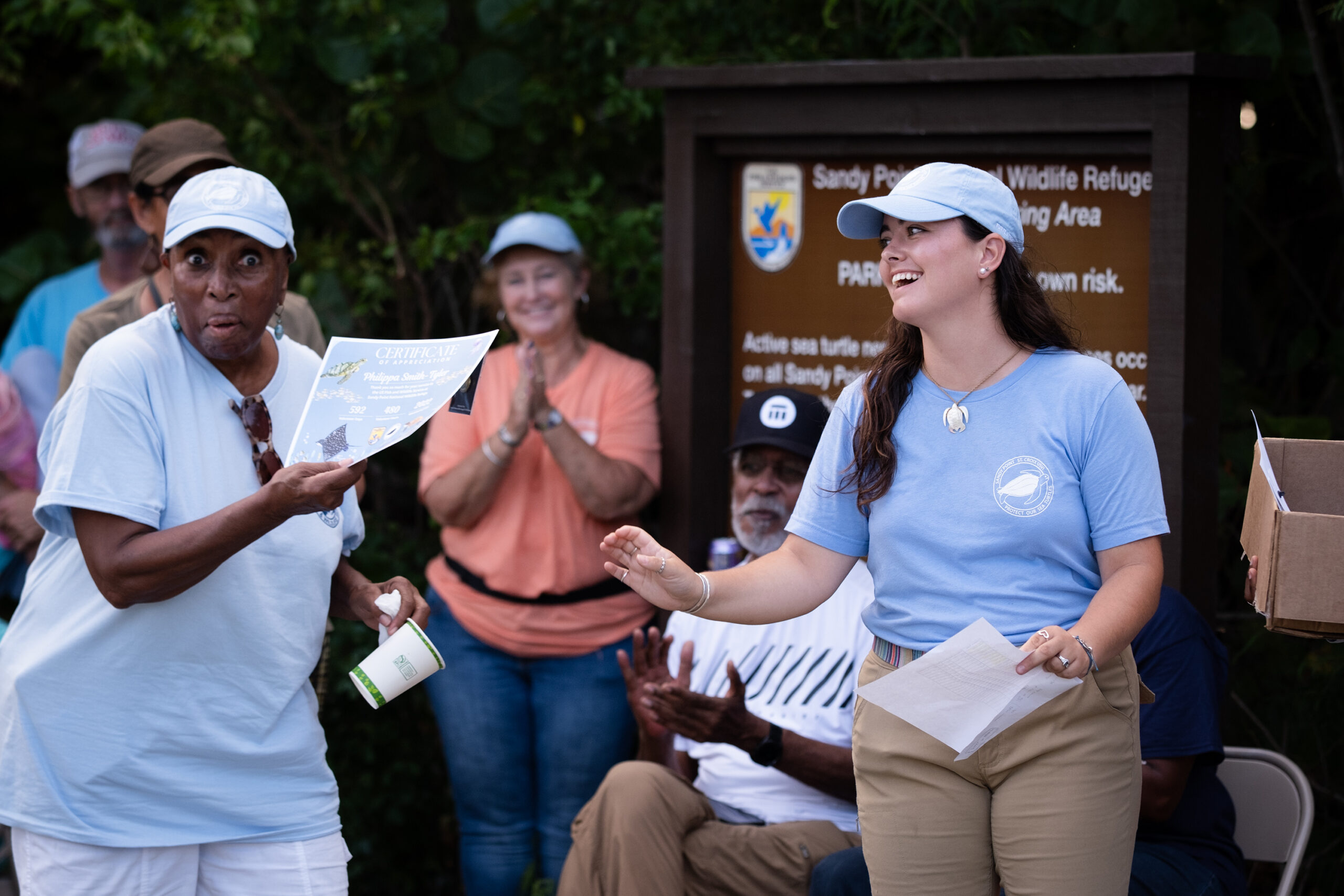
Silmarie Padron, project leader for USFWS’s Caribbean Islands National Wildlife Refuge Complex, and State Coordinator Claudia Lombard said during a celebration Friday evening that Sandy Point stands out in large part because of its dedicated volunteers. Three species of sea turtle rely on the refuge for nesting, and Lombard said researchers wouldn’t know what they know about turtles without the people who monitor and protect them.

Friday’s ceremony also honored Otto Tranberg, who almost single-handedly kick-started efforts to protect the island’s turtles.
“We stand on his shoulders today, and we honor his legacy by continuing the work that he started,” Padron said.
Born in 1918, Tranberg enlisted in the U.S. Navy in 1942. He eventually met and married Emily Heathman before moving back to St. Croix with his family in 1973, his daughter Patricia said. Tranberg began moonlighting as a turtle monitor while working as an enforcement officer for the Department of Conservation and Cultural Affairs after someone told him about a leatherback turtle found with all four of its fins cut off.
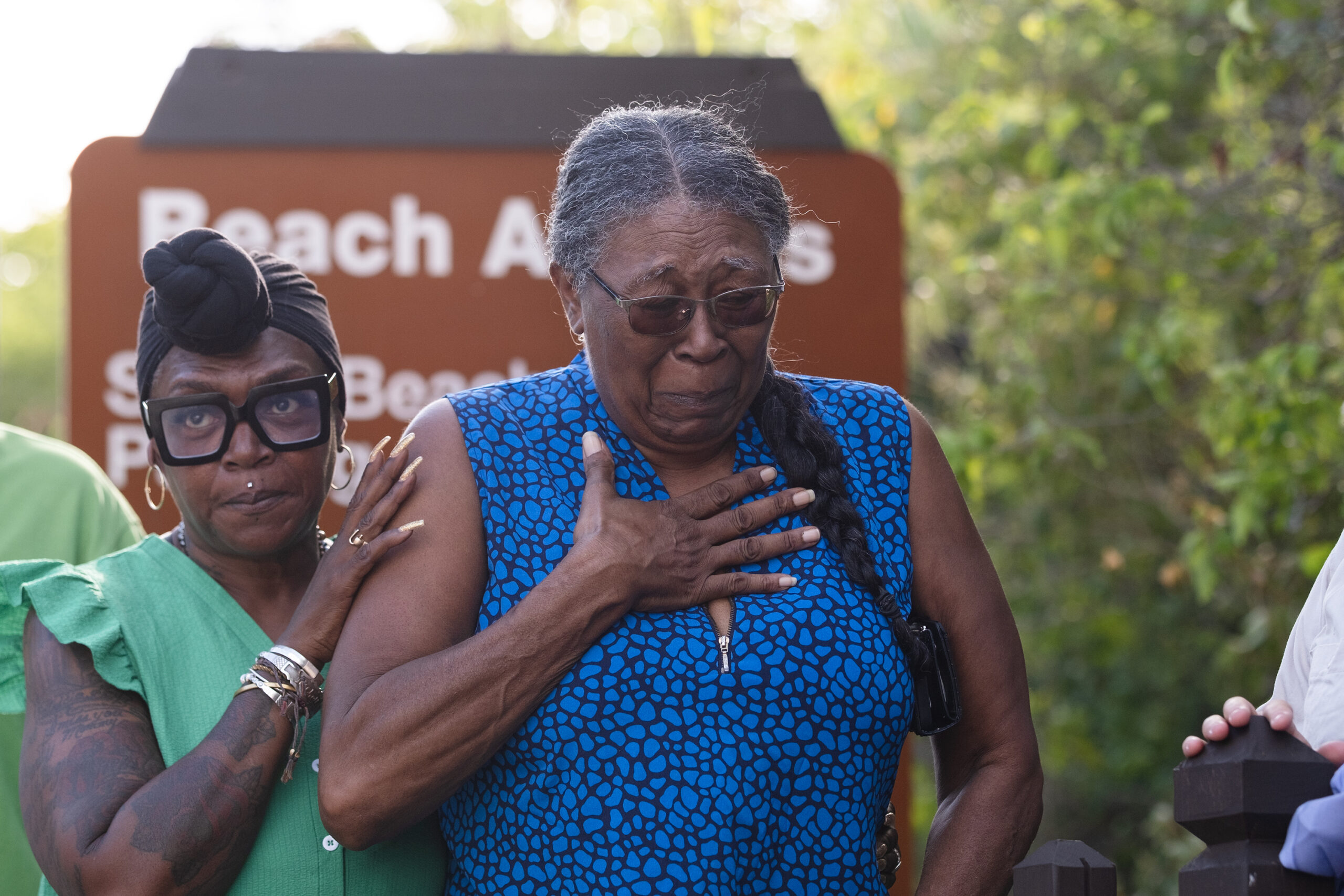
“He was a special person,” Patricia Tranberg said. “Not because he’s my dad, but he took it upon himself when he heard the story about the turtle with the fins getting cut off, and that night he came down here by himself — no weapons, no nothing — and he started every single night, for the whole night until morning, to protect the turtles.”
An article Tranberg wrote about the island’s turtles for the St. Croix Avis made its way into The New York Times and, ultimately, to the U.S. Interior Department. Patricia Tranberg said she was a little overwhelmed when Fish and Wildlife employees, conservationists and volunteers unveiled a sign marking the route leading into Sandy Point as “Otto Tranberg Road.”
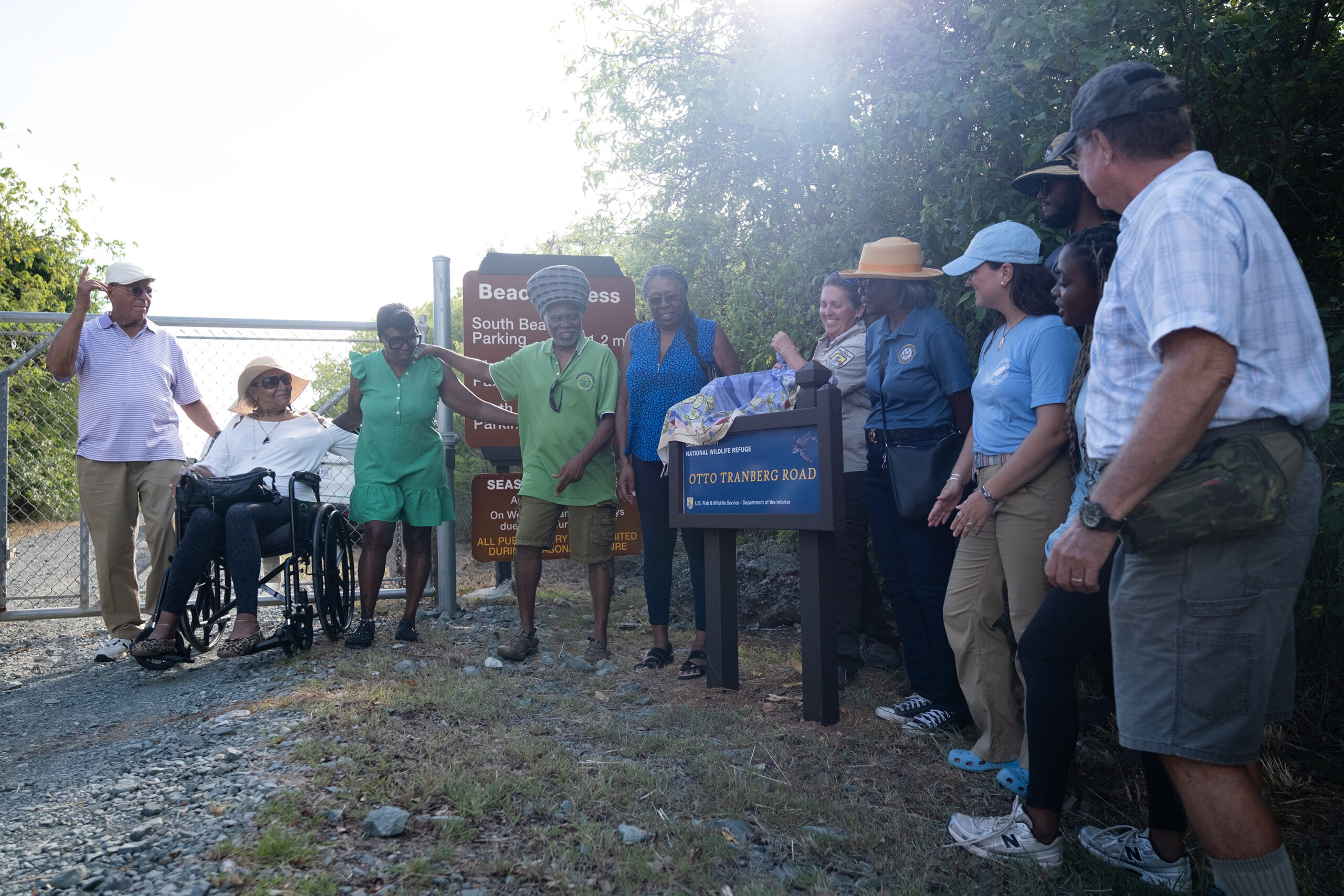
“One of the major things that I would carry with me from my dad: always stand, even if you stand alone,” Patricia said. “And that’s what he did, and that’s what I continue to do.”
Decades later, the island boasts a dedicated group of biologists, conservationists and volunteers who comb St. Croix’s beaches for evidence of turtle activity. Donna Boles moved to the island from St. Kitt’s 16 years ago, specifically to work with turtles at the Sandy Point National Wildlife Refuge.
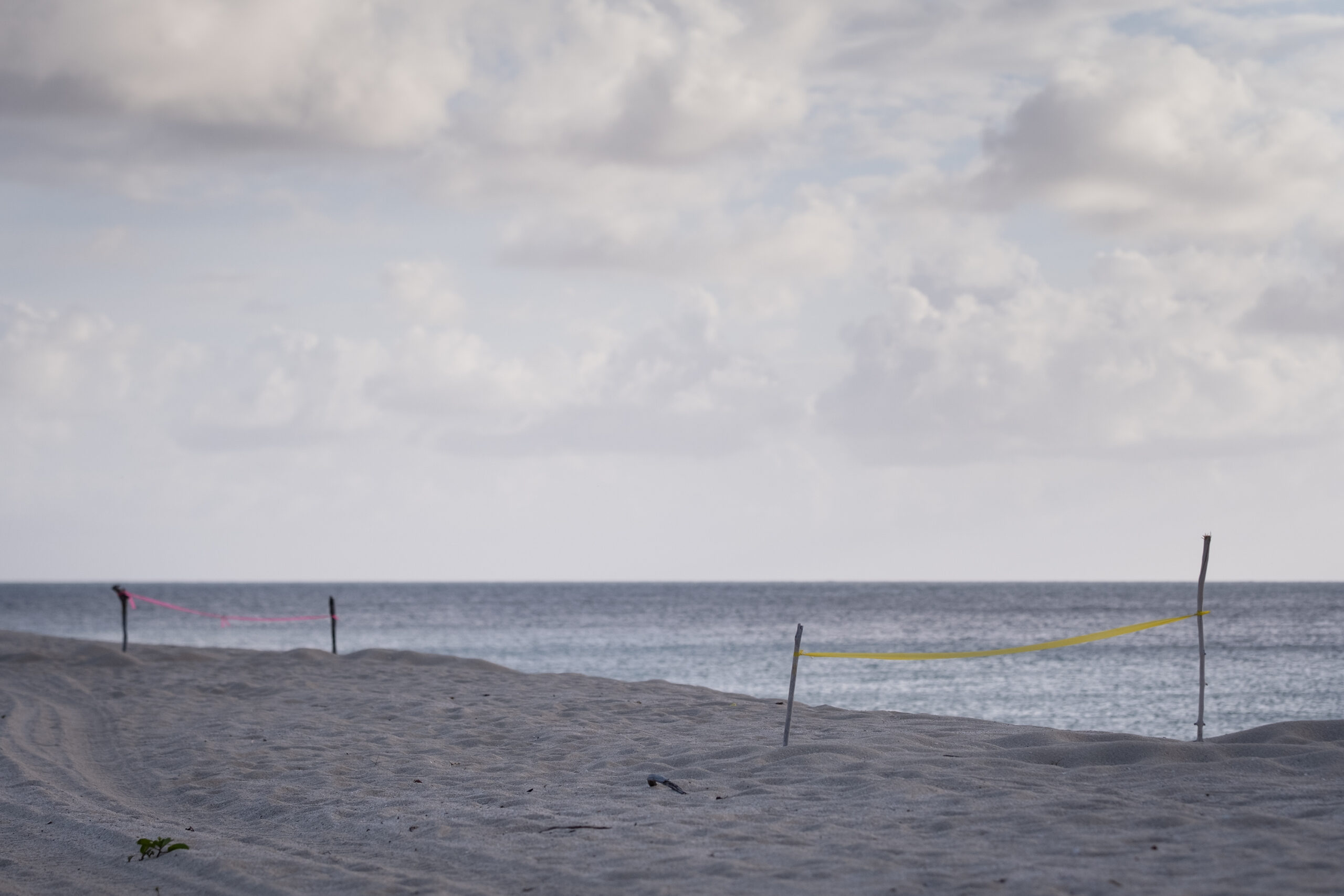
“There’s a number of things that people can look up that are ways to conserve and protect our beaches for turtle nesting,” she said. “One of the biggest ones is lights — not having lights on the beach.”
Boles said even just switching to motion-activated lights can be helpful. Sabrina Sorace, biologist and coordinator for the St. Croix Sea Turtle Project, added that removing beach furniture and cutting down on beachfront parking also helps protect nests.
“And we wouldn’t have known that these were big problems without us going, without our volunteers going out and actually witnessing what is happening on the beach,” she said.
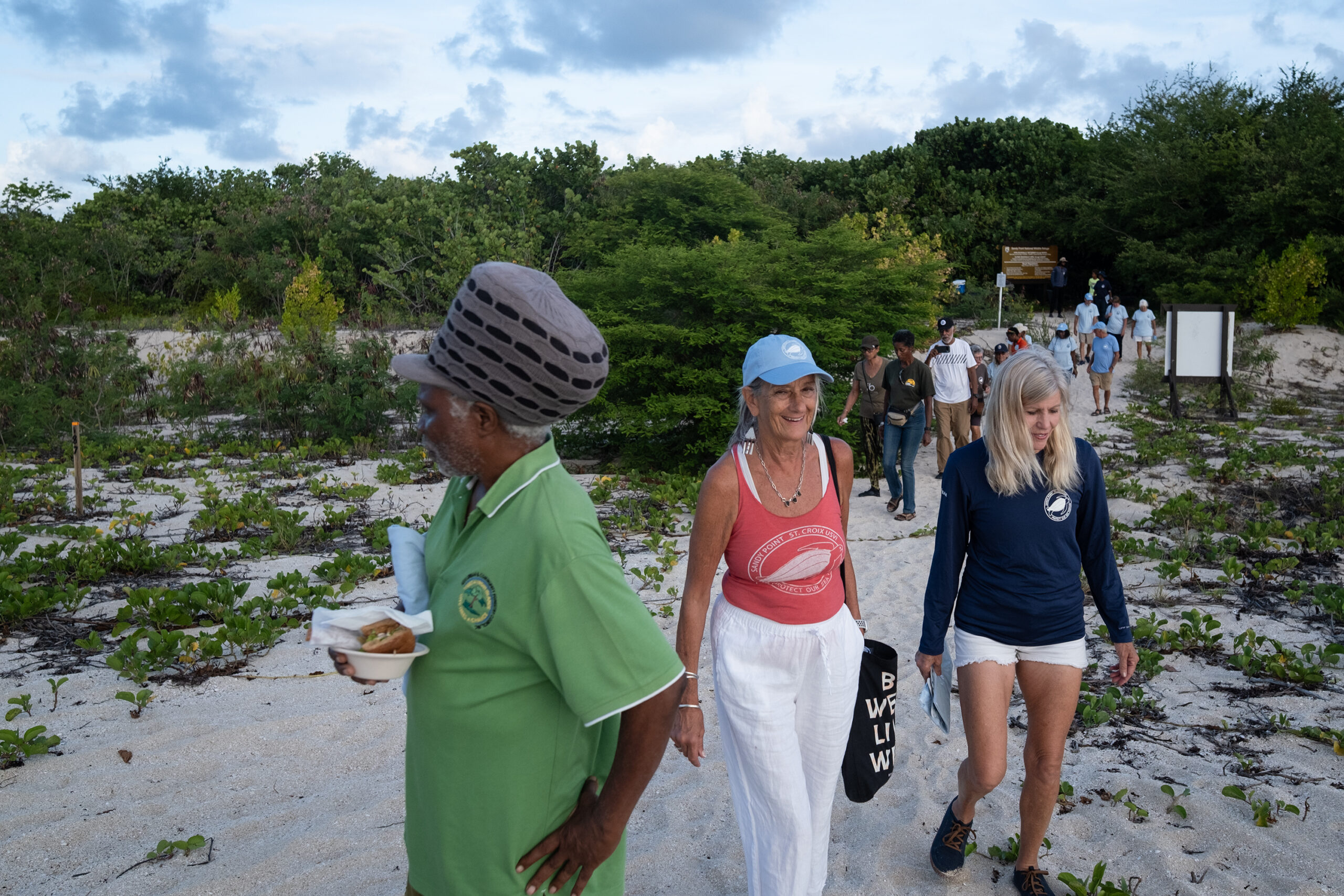
Sorace said the conservation effort has grown since the refuge was created but that there’s more work to be done — particularly around hard-to-reach beaches along the island’s south shore, which has long stretches of private property and few access points.
“We definitely need more support,” she said. “We need more volunteers to be walking, and just also more funds to help support the research, because it is expensive,” she said.