

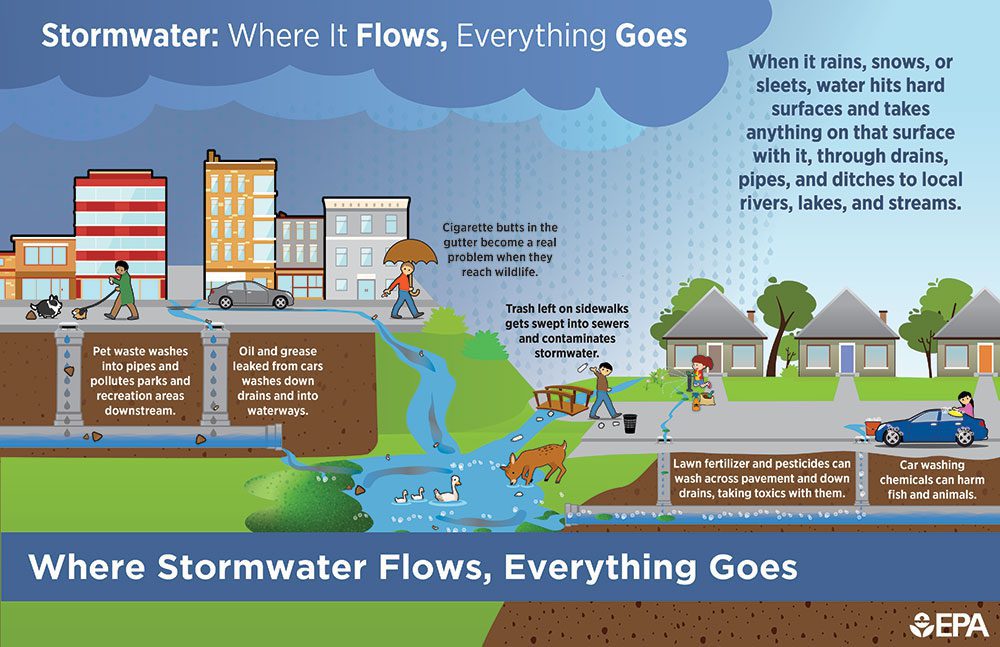
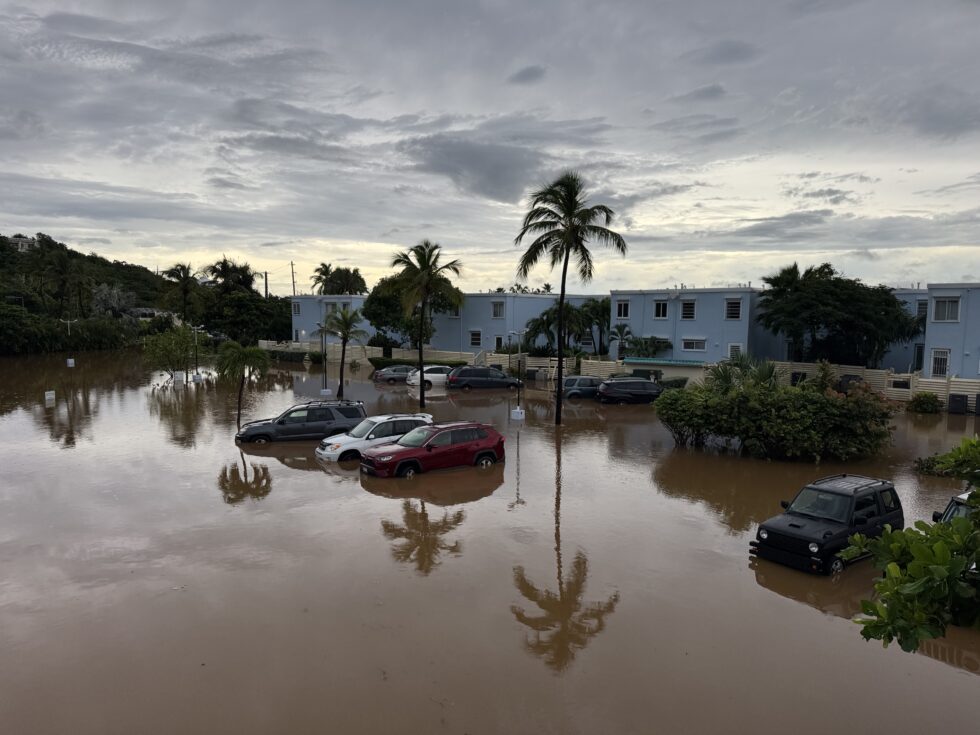
A new stormwater mitigation initiative will combine student learning, community outreach, and small-scale projects to address rain runoff. Stormwater worsens flooding on land and carries sediment and pollution into coastal waters.
The Virgin Islands Conservation Society is partnering with the Department of Planning and Natural Resources’ Coastal Zone Management Division to expand the VI Clean Coasts Program into stormwater education and intervention work on St. Thomas.
The Stormwater Resilience and Outreach Program is centered on the community of Bovoni on St. Thomas, where organizers say flooding, erosion, and runoff concerns have made the area a strong place to begin. The project will pair outreach and education with practical, nature-based improvements designed to help slow stormwater, reduce erosion, and keep sediment and pollutants out of nearshore waters.
“Together with partners at DPNR and utilizing local resources such as the USVI Watershed Plans, the neighborhood of Bovoni in the Jersey Bay watershed was selected to be the pilot area for this project,” according to a recent press release from VICS.
“Specifically, VI Clean Coasts has been working with Bertha C. Boschulte Middle School (BCB) and other community stakeholders to provide a curriculum … that integrates watershed education with real-world examples of stormwater interventions on campus,” the press release said.
How Runoff Affects Land and Sea
As a recent Source article reported, improperly managed stormwater can cause problems once it reaches the ocean, including increasing bacteria in the water.
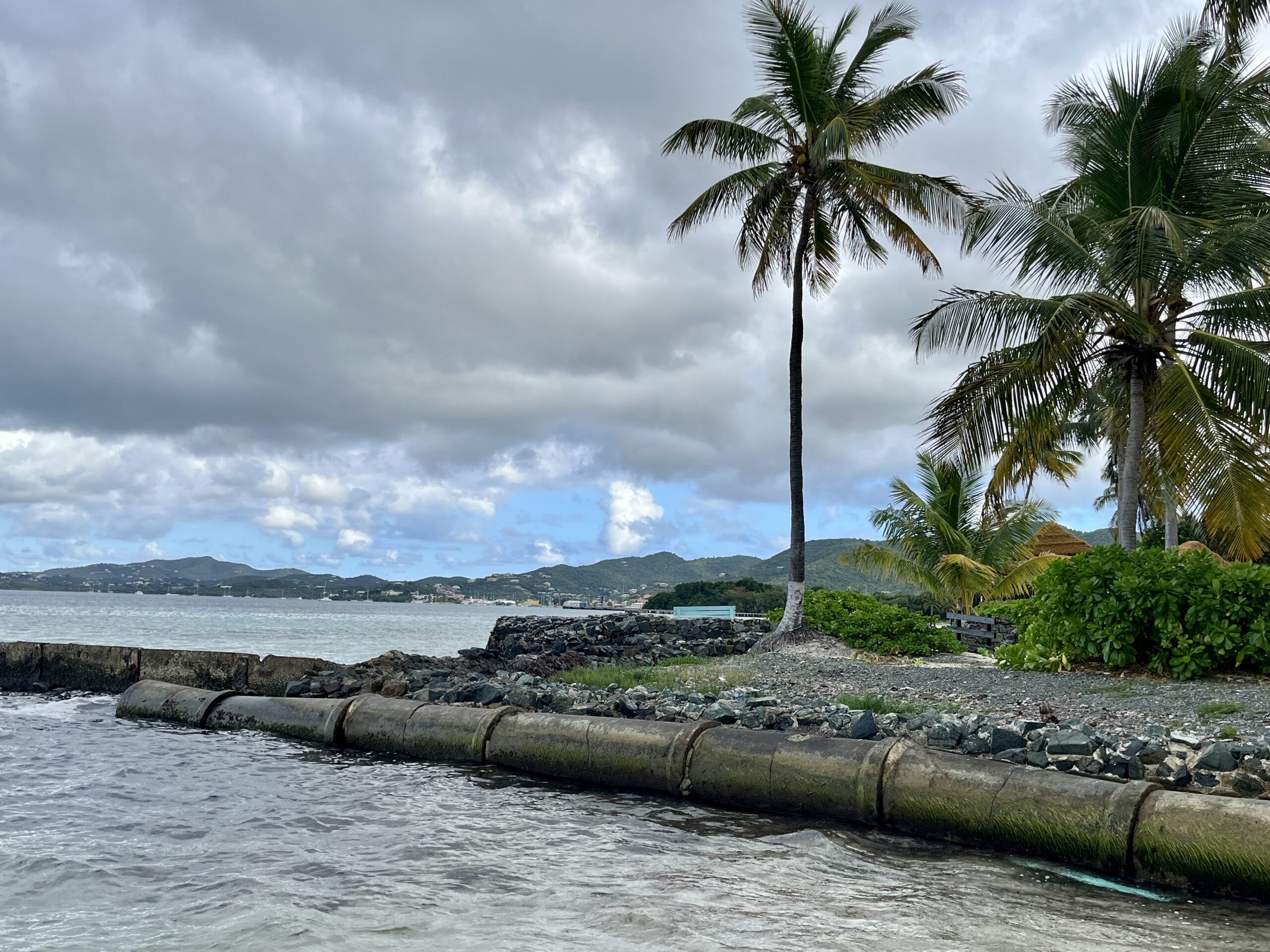
Additionally, the VICS press release said that stormwater can increase flooding and erosion on residential and commercial properties while also carrying sediment and pollutants along roads and guts into the marine environment. Organizers say that runoff can harm fragile coastal habitats, including coral reefs, while also reducing quality of life in communities dealing with repeated drainage and flooding problems.
The Source connected with Anne Marie Hoffman, executive director of VICS, and Sienna Gray, deputy director of VICS, to learn additional details about the program.
Hoffman said stormwater and sedimentation impacts are well documented in coastal areas, and that runoff can carry bacteria, oils, and other pollutants into nearshore waters, creating challenges for coral reefs, mangroves, and other ecosystems that support the territory.
Why Bovoni Was Chosen
Gray told the Source that the project team looked at a range of factors before selecting Bovoni as the location for the stormwater resilience project, including flooding risk, social vulnerability, past hurricane damage, elevation, and watershed flow.
Gray said the group drew on DPNR’s Coastal Zone Management research and the St. Thomas East End Reserves Watershed Management Plan study, sponsored by the National Oceanic and Atmospheric Administration’s Coral Reef Conservation Program. The team then visited the area after rain events to see firsthand where flooding and runoff were occurring.
She explained that the Bovoni area stood out not only because of flooding conditions, but also because Bertha C. Boschulte Middle School, located within Bovoni, helped connect the project’s education and outreach goals.
Hoffman said that the broader VI Clean Coasts partnership with DPNR began with a focus on reducing Styrofoam and single-use plastics but has expanded into other resilience efforts, including this particular stormwater project. She noted that the project is funded through a cooperative agreement with NOAA.
School Partnership at Bertha C. Boschulte Middle School
A major part of the project will involve Bertha C. Boschulte Middle School, where students and teachers will be introduced to stormwater concepts through classroom instruction and real-world examples on campus. The school component includes a three-session curriculum, optional field trips, and an outdoor classroom designed to connect watershed education with visible stormwater solutions.
Gray said the school’s role goes beyond hosting part of the project. She said VICS developed a watershed curriculum after shifting its focus to BCB, with the goal of helping students understand how watersheds work. The students connect that learning to the stormwater interventions happening on their own campus.
“We created a watershed curriculum, and students can see the stormwater interventions happening on their campus. They learn how water flows down and ends up in our oceans,” Gray stated.
Hoffman added that the lessons developed through the project could extend beyond one campus, and she referenced the Eco-Schools initiative, which the USVI participates in.
“Eco-Schools is the world’s largest international environmental education program engaging PreK-12 school students, faculty, administrators, and community volunteers in a comprehensive, environment-based program to improve student environmental literacy and skills,” according to information on the official website for VICS.
“While this project is specifically focused on the neighborhood of Bovoni and includes a curriculum at Bertha C. Boschulte Middle School, it will be available to schools throughout the territory,” VICS indicated.
Part of a Broader Effort
The Stormwater Resilience and Outreach Program is one part of VI Clean Coasts, the broader partnership between VICS and DPNR that also includes Eco-Certification, Refill Bottles, Not Dumpsters, and Clear Waters. According to the organization, the broader program has installed more than 30 water filling stations in the territory, while more than 100 local businesses now participate in the eco-certification effort.
Hoffman said the project is part of a larger network of community-based conservation work already underway across the territory. The long-term goal, organizers said, is not only to reduce runoff impacts in one neighborhood but also to build awareness and stewardship among students, families, and the wider community. The objective is to protect nearshore water quality and marine ecosystems.
“The Virgin Islands Conservation Society programs are very hands-on, including working at the school level as well as at the business level. We have an umbrella of community programs that support the Virgin Islands,” Hoffman affirmed.
More information about the Stormwater Resilience and Outreach Program is available on the VICS website.